
 SUB
SUBA Vegetable Matter: Separating the Wool from the Chaff
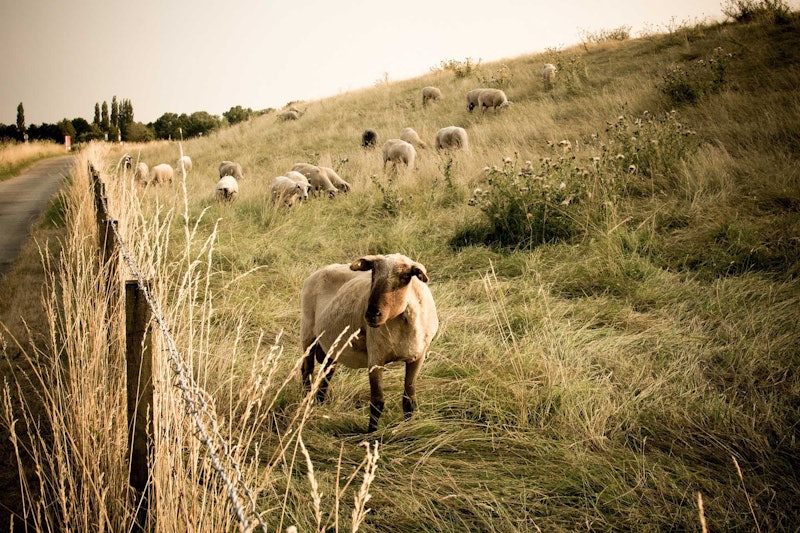
Most sheep get pretty dirty. Here’s how fleeces are cleaned to get rid of vegetable matter so your yarn is nice and soft.
Category
SUBMost sheep get pretty dirty. Here’s how fleeces are cleaned to get rid of vegetable matter so your yarn is nice and soft.
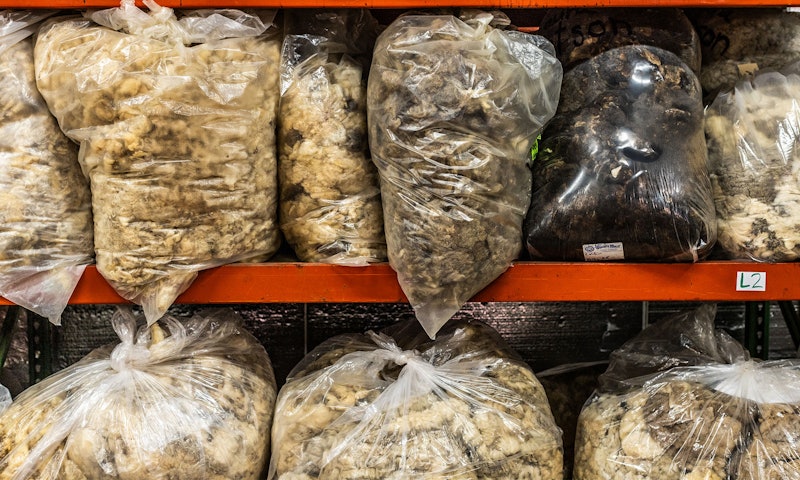
At Clean Fleece New York, the Hudson Valley Textile Project takes on the dirty job of scouring natural fibers.
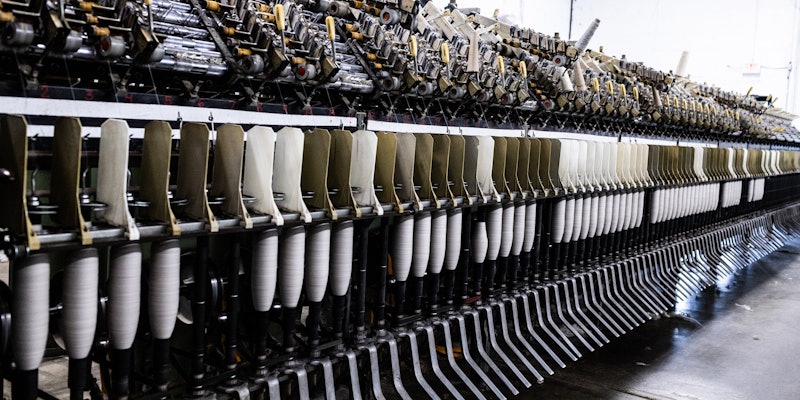
Between fiber and fabric lies an essential link in the yarn supply chain: the mill that transforms raw material into yarn. One mill in upstate New York is dedicated to making yarn that works for the whole community.
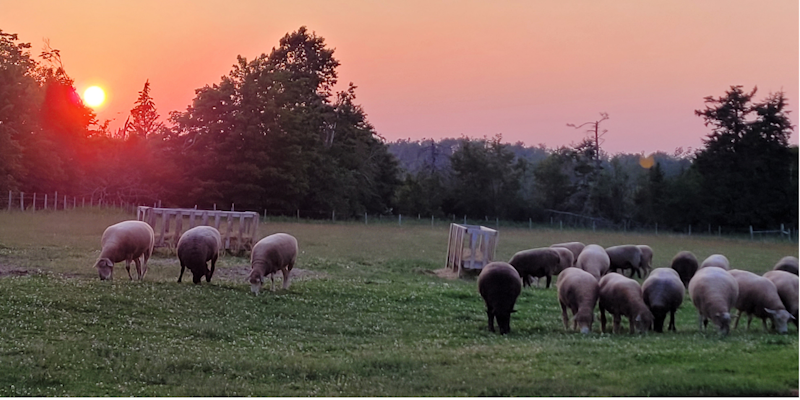
From the corporate world to a fiber paradise: a farm, mill, and shop in the maritime provinces
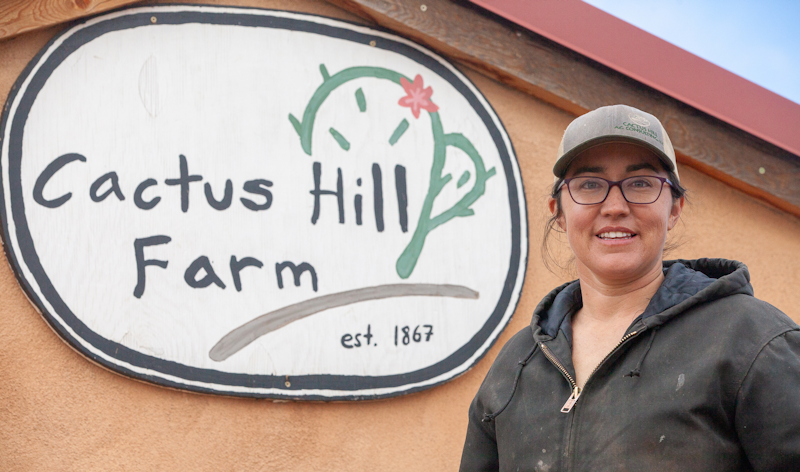
Beginning with a few bottle lambs, a young rancher revives her family’s heritage as shepherds.
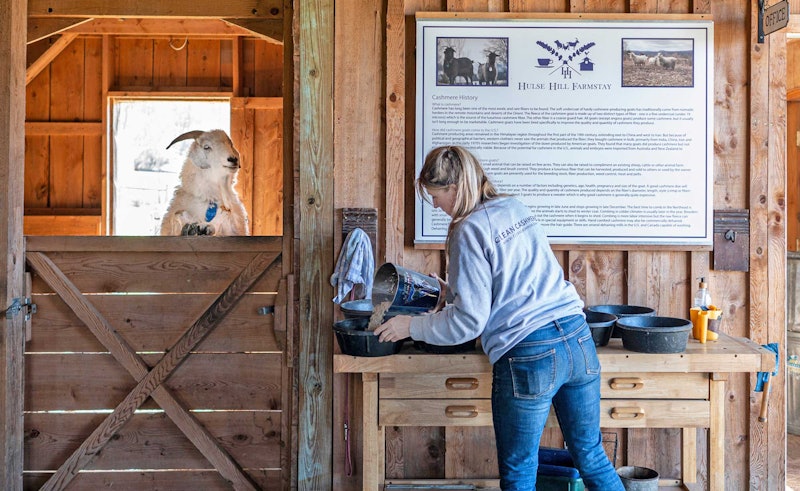
The quintessential luxury fiber, American-grown cashmere is difficult to find as fiber, yarn, or clothing. An accidental cashmere farmer is building a network to change that.
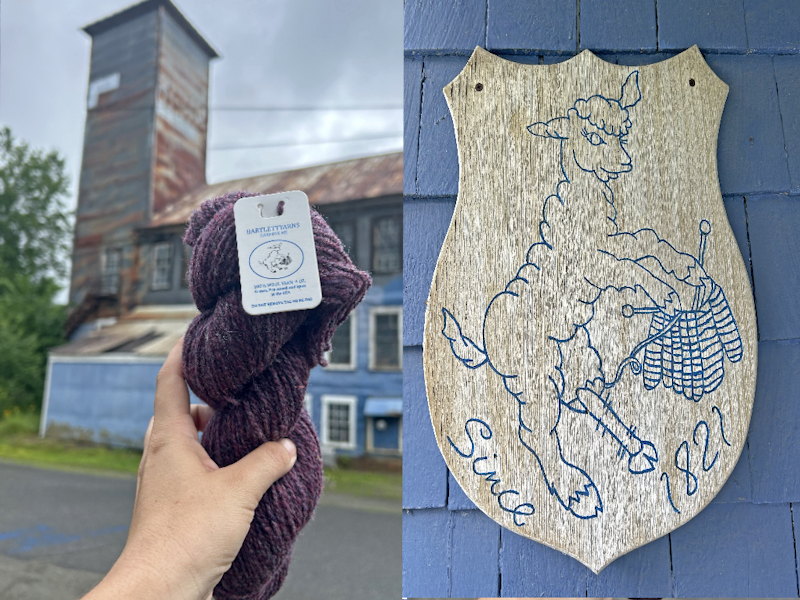
The enduring appeal of yarn from a centuries-old New England mill
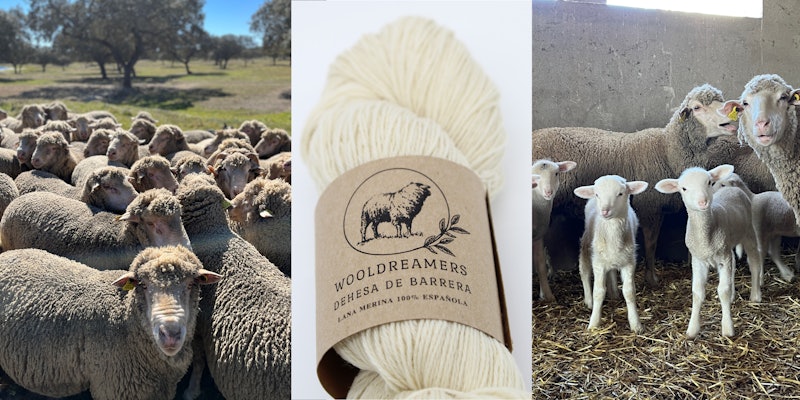
While the textile industry has changed dramatically since Spanish merino ruled, a new company southeast of Madrid aims to put Spanish wool back on top.
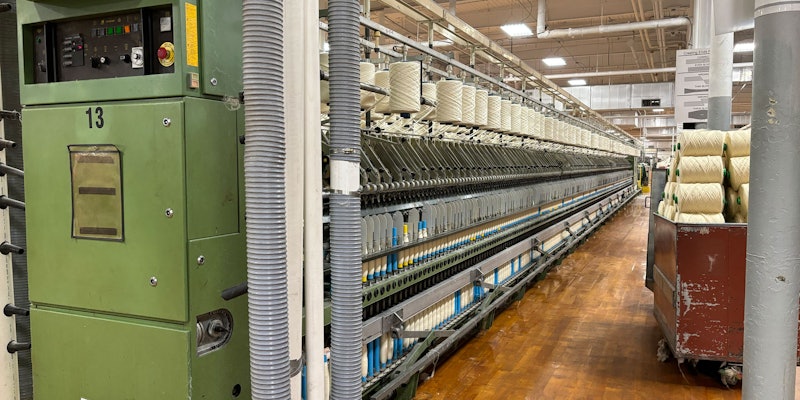
Bringing state-of-the-art spinning technology to an historic textile community, from industrial synthetic yarn to traceable wool.
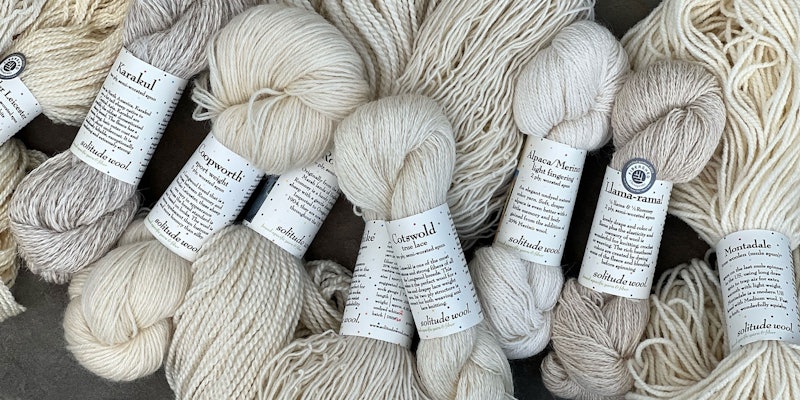
In northwestern Virginia, in the shadow of the Blue Ridge Mountains, you’ll find the home of Solitude Wool. Since 2006, this woman-owned company has been dedicated to promoting sheep of many breeds and supporting sustainable agriculture.
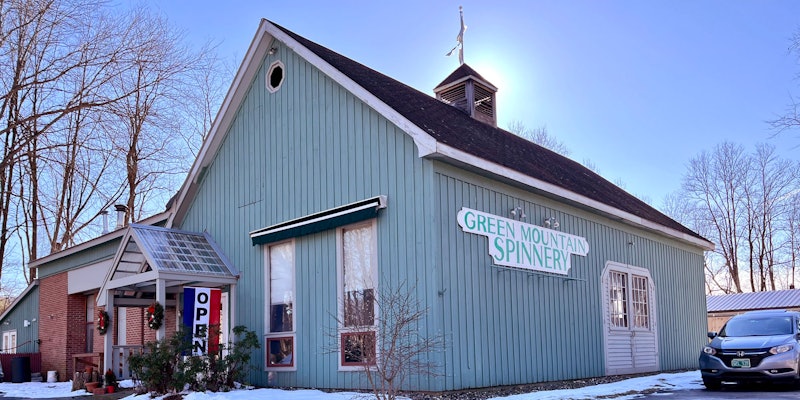
Founded over 40 years ago to support the local wool economy and process yarn with environmentally responsible principles, The Green Mountain Spinnery’s work has never been more timely.
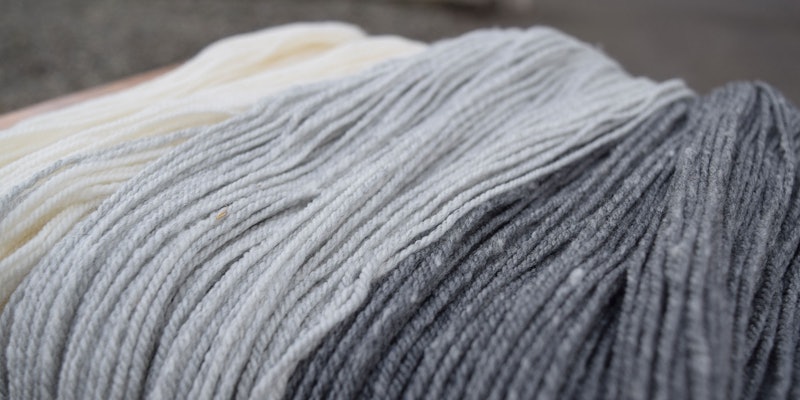
How does the single act of knitting a garment connect the maker and wearer to the chain of relationships among sheep, shepherd, and mill?