
Loading the latest stories…
Most sheep get pretty dirty. Here’s how fleeces are cleaned to get rid of vegetable matter so your yarn is nice and soft.
Sandi Rosner4 min read
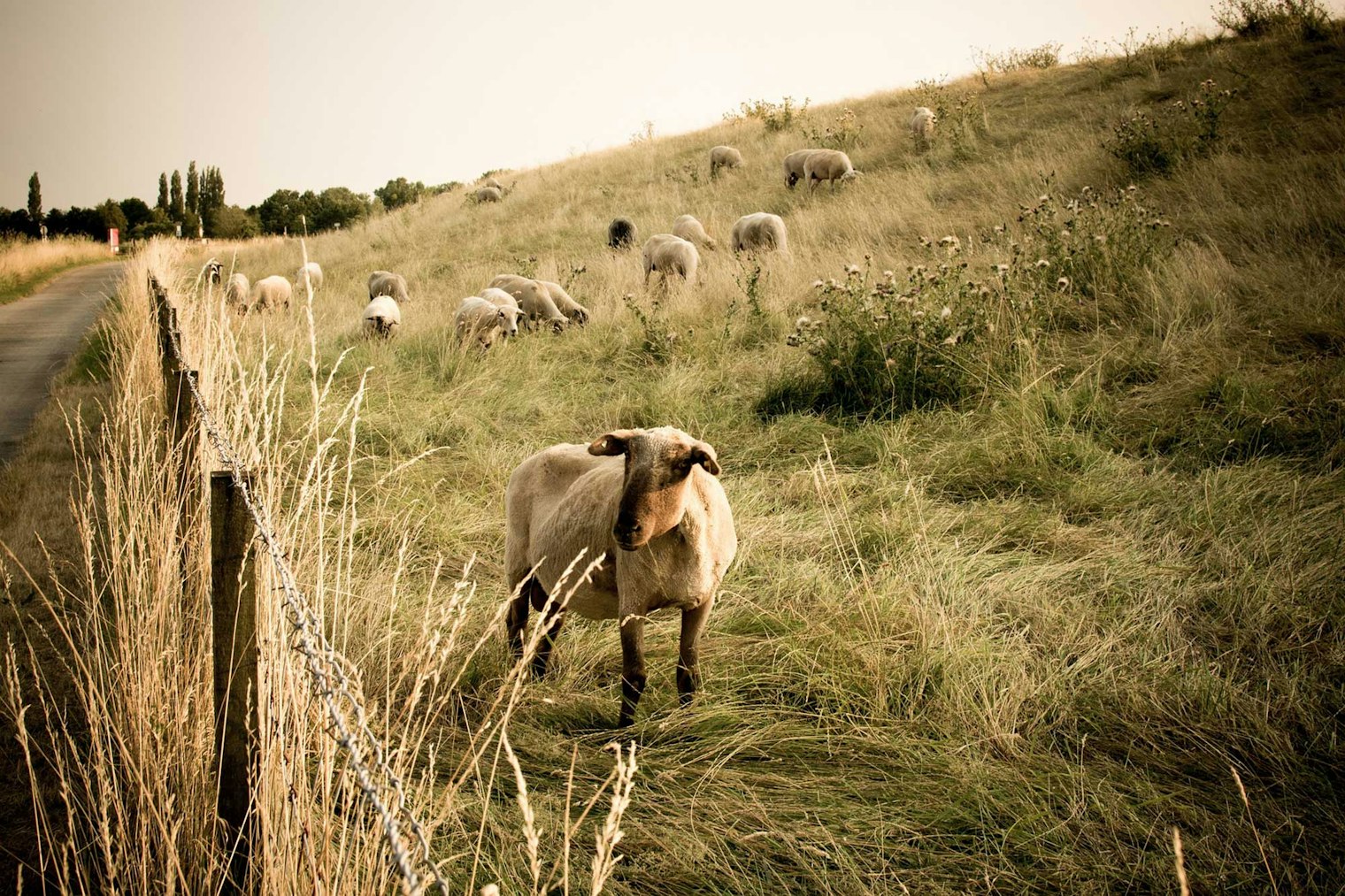
Most sheep spend most of their lives outdoors, sleeping on the ground, browsing the local grasses and weeds. When they are brought indoors for lambing or for shelter from the weather, they typically sleep on straw and eat hay. No matter how well cared for they are, sheep and other fiber animals collect dried grasses, twigs, and seeds in their fleece. This plant debris is referred to as vegetable matter (VM).
While VM is both natural and, to some extent, unavoidable, you probably don’t want to find it in your yarn. Excessive VM will make your finished project “scratchy” and uncomfortable to wear, no matter how soft the wool itself. Let’s look at how VM is removed from wool at various stages along the road from farm to skein. We’ll also discuss what you can do when you encounter VM in your yarn.
Removal of VM begins as soon as the fleece leaves the sheep. The belly wool, which collects VM (along with lots of dirt) when the sheep lays down to sleep, is immediately removed and discarded or set aside for other uses. The fleece is often then thrown, cut side down, onto a skirting table. The skirting table has a top made of metal mesh or wooden slats, allowing dirt and debris to fall to the ground.
 Skirting a fleece takes place at Ranching Tradition Fiber in southwest Montana. Photo courtesy of Kami Noyes of Ranching Tradition Fibers
All the dirtiest parts of the fleece are removed, including any sections with heavy VM contamination. The fleece is then rolled and bagged or baled for transportation to the wool mill.
Scouring
When the raw wool arrives at the mill, the first step is a thorough washing. While the type and size of washing equipment might vary, the process generally involves two or three passes through hot water dosed with detergent and some very gentle agitation. This scouring removes some, but not all, of the VM.
Carbonizing
Wool that is destined for woolen spinning may be carbonized immediately after washing to remove any remaining VM. VM is primarily cellulose, which is made up of carbon and water. The carbonizing process involves immersing the wool in a sulfuric acid solution, which breaks the bonds between the water and the carbon in cellulose. The wool is then dried at 140–176°F (60–80°C) to remove the water and baked at 203–248°F (95–120°C) to make the remaining VM brittle. A pass between rollers
More from Farm & Fiber Knits
From the Library


Comments
No comments yet — be the first to share your thoughts.
Sign in to join the conversation — commenting is for signed-in members.