
 SUB
SUBWrap & Turn vs German Short-Rows: What’s the Difference?
Learn how wrap & turn and German short-rows compare—and how to substitute one for the other in knitting patterns.
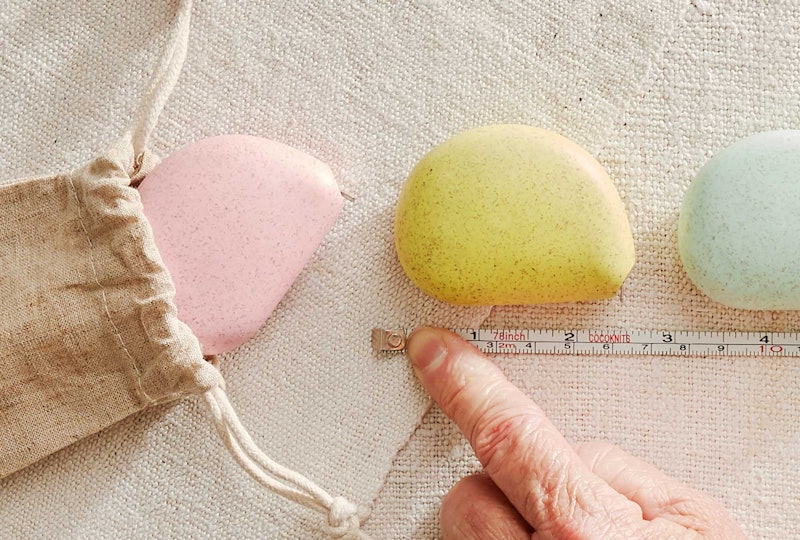
Here’s what one knitter discovered when she traded a plastic tape measure for a plastic-free alternative.
SUBLearn how wrap & turn and German short-rows compare—and how to substitute one for the other in knitting patterns.
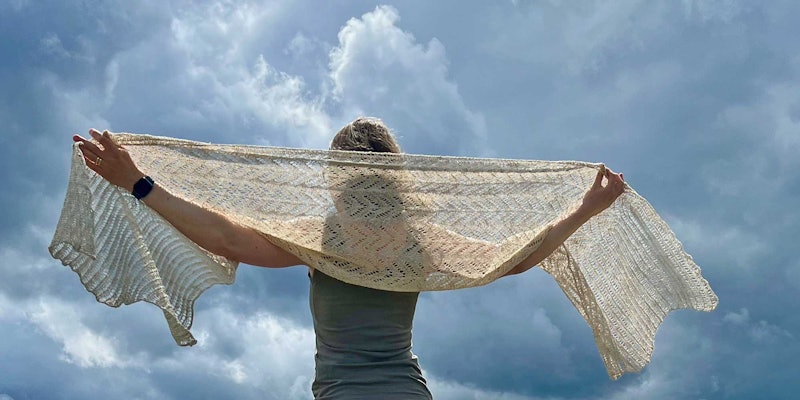
A flax dowry from 1940s Austria makes its way into the hands of a Swedish maker. As she knits, her stitches lead her back to her family’s roots in Vienna after World War I.
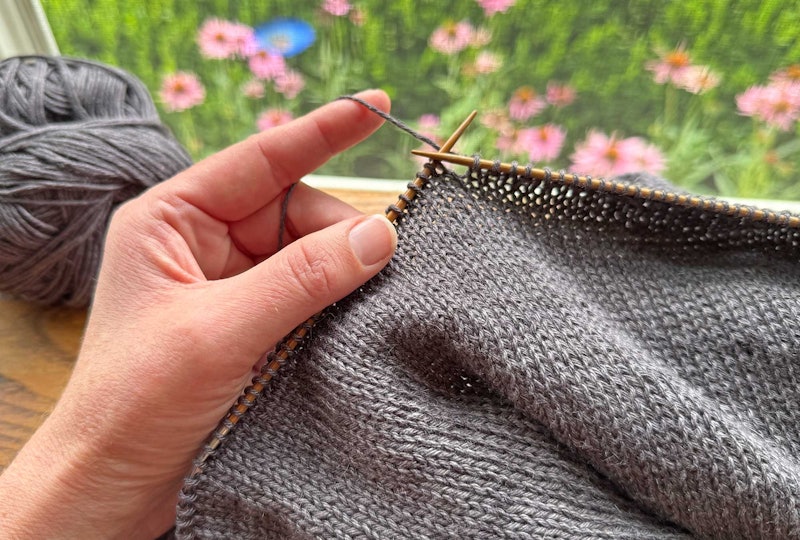
Don’t Love Linen? 14 Tips for Knitting with Linen, Hemp & More
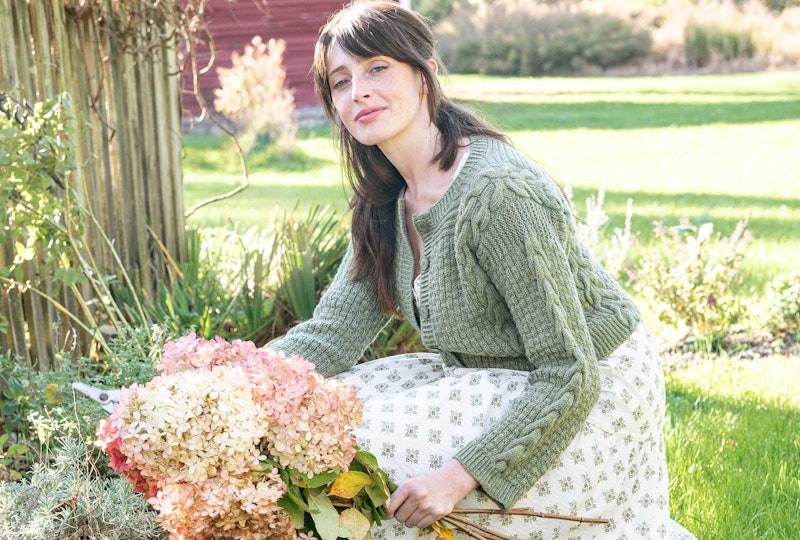
When the small-batch yarn you love isn’t available, here’s how to find its match.
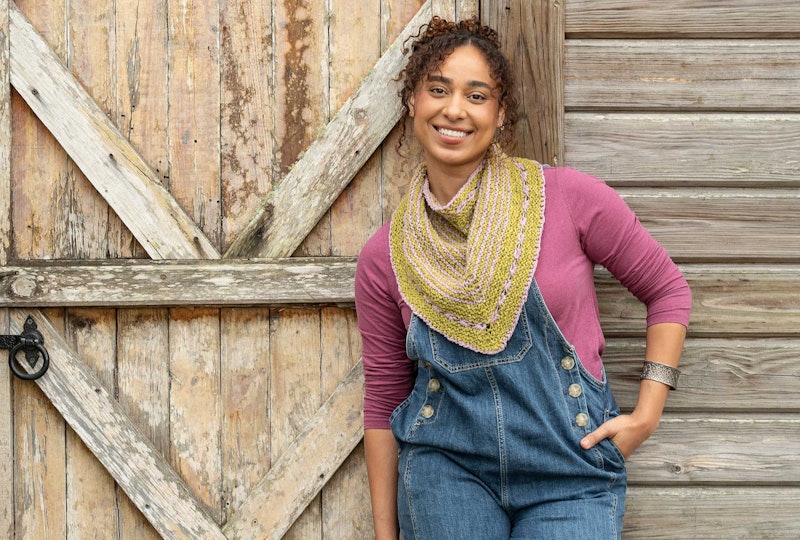
Looking for your next quick, wearable knit? Designer Safiyyah Talley has great tips to make this summer project your own.
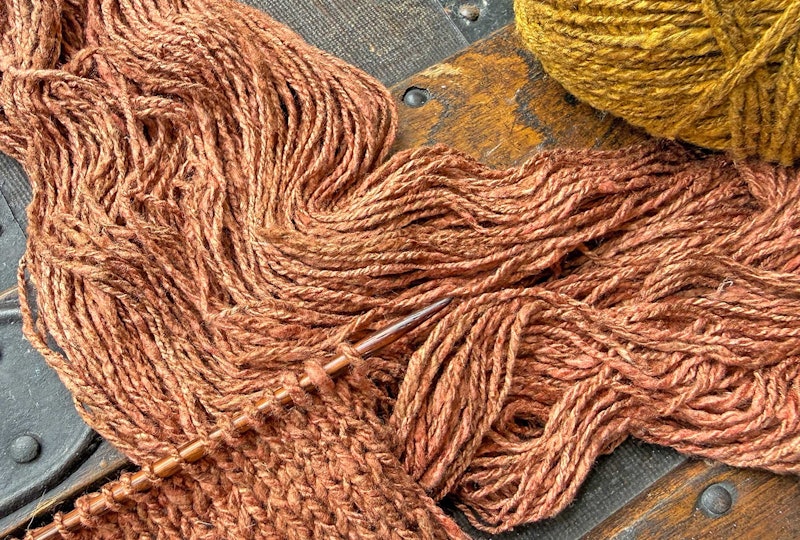
Traveling from forests in Madagascar to dyepots in Rwanda to store shelves in Texas, handspun borocera silk yarn has an incredible story. How does it knit up?
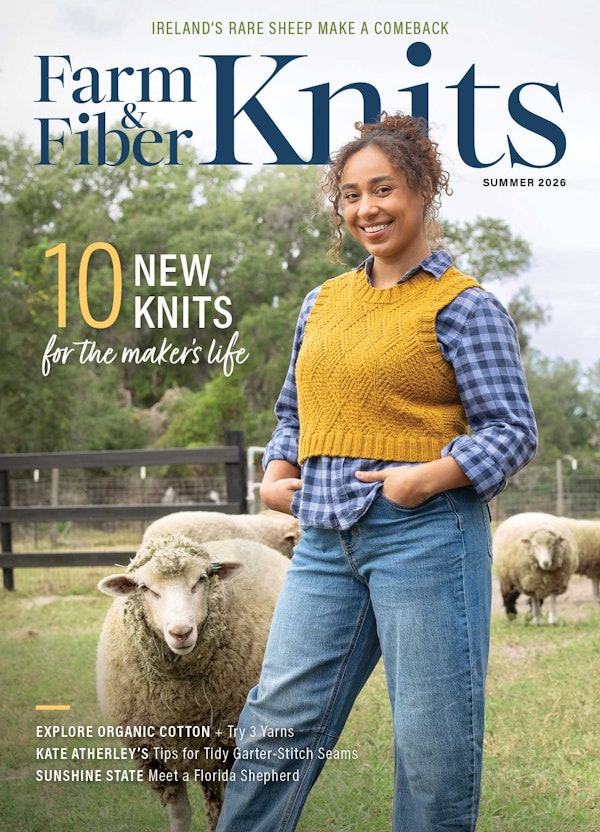
Latest Issue
Dive into summer with beautiful projects to layer, plus learn about yarn substitutions, discover Galway sheep, and unearth organic cotton.
Topic
Meet the farms and farmers we've showcased on Farm & Fiber Knits, and learn how they are making an impact locally and globally.
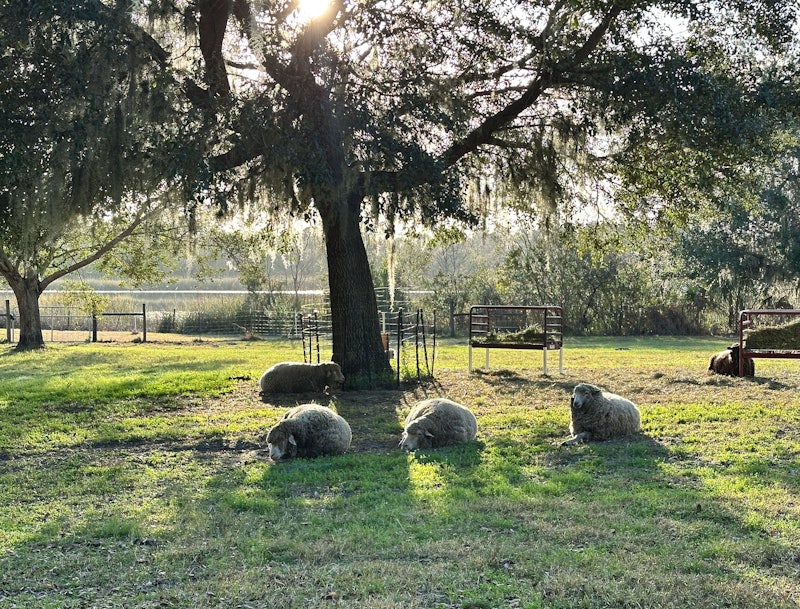
Travel with us to the heart of Florida to meet the cast of characters at our farm photo shoot.
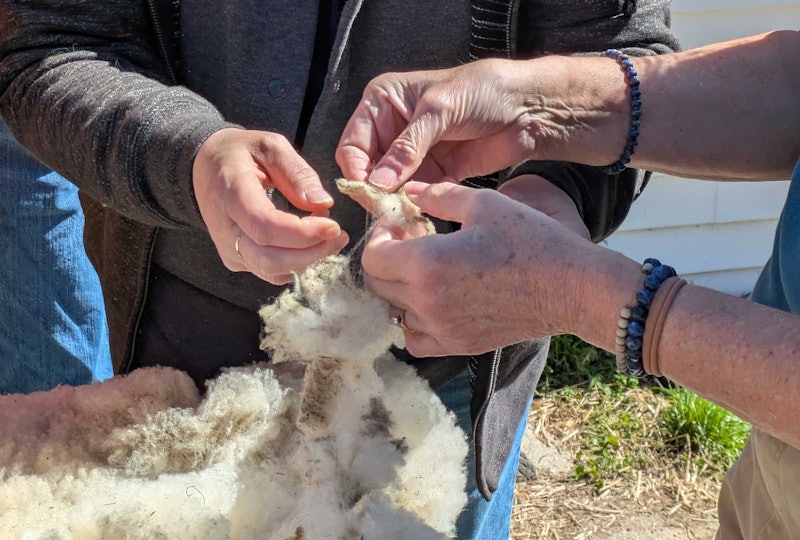
For most knitters, yarn is found at the shop. For this group of fiber adventurers, yarn began right at the farm.
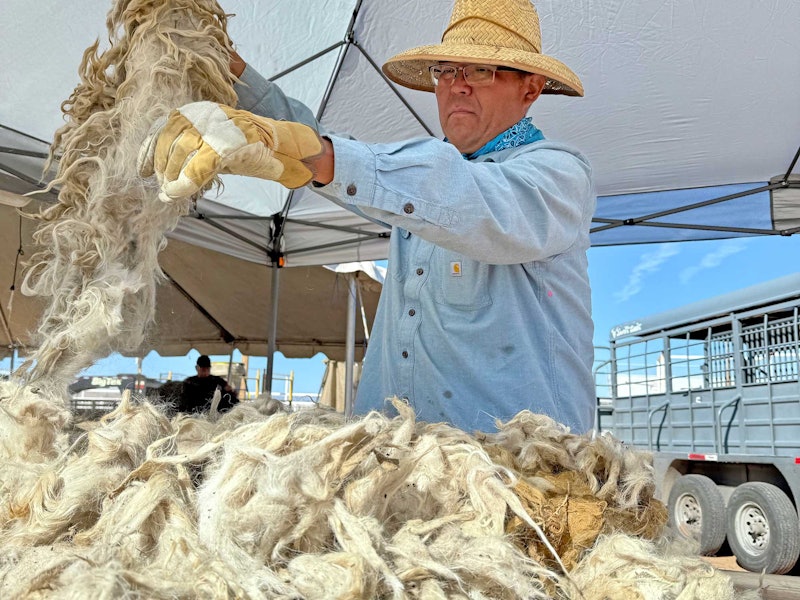
For Diné shepherds, selling wool has never been just about fiber—it’s about sustaining a way of life shaped by land, animals, and family.
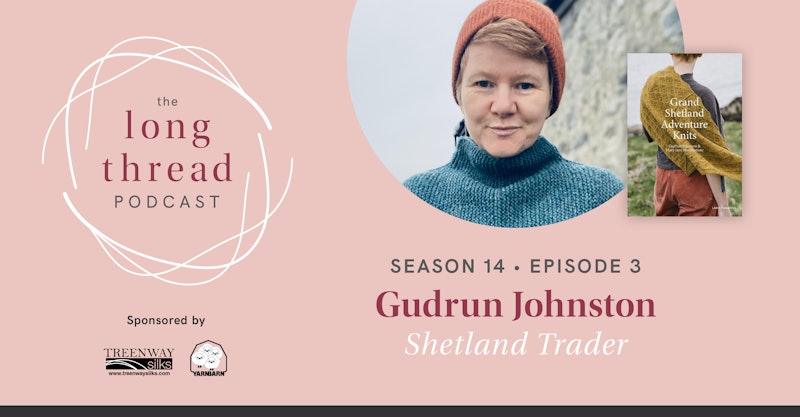
Season 14, Episode 3: Wherever in the world she lives, Gudrun Johnston‘s roots always take her—and her knitting—back to Shetland.
Topic
Between fiber and fabric lies an essential link in the yarn supply chain: the mill that transforms raw material into yarn.
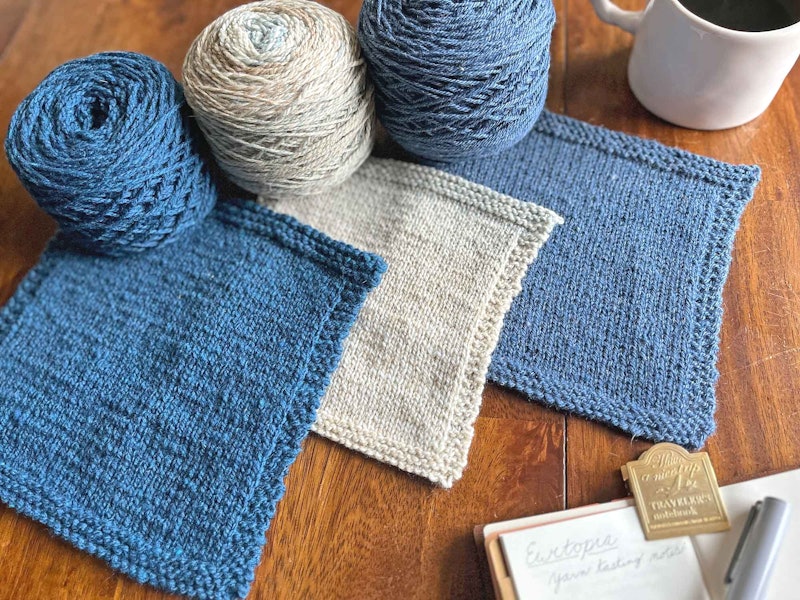
Each skein from Ewetopia carries a story—of Midwest wool, small-batch milling, and careful dyeing—and on the needles, those stories unfurl in texture, color, and gentle movement.
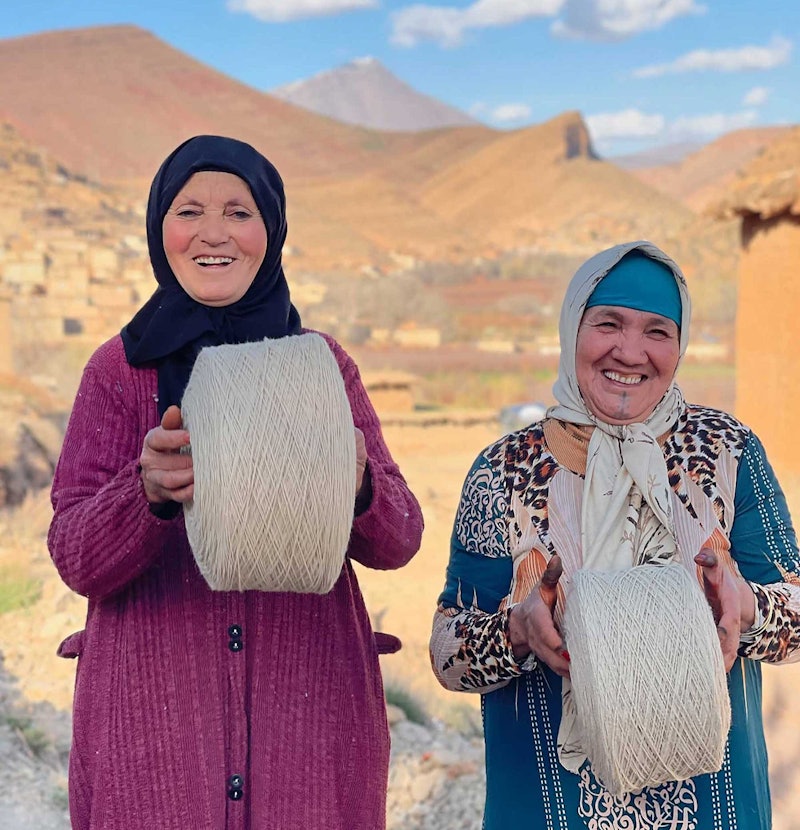
In Morocco’s High Atlas Mountains, a solar-powered wool mill is transforming how yarn is made, linking artisan livelihoods, clean water, and the future of the land itself.
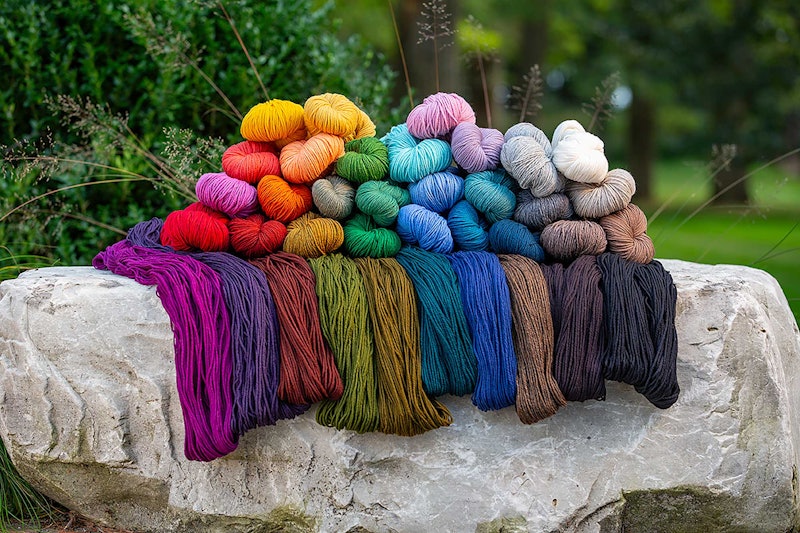
When four truckloads of used spinning machinery arrived in rural Nebraska, few could have predicted they would launch one of America’s most beloved yarn companies.
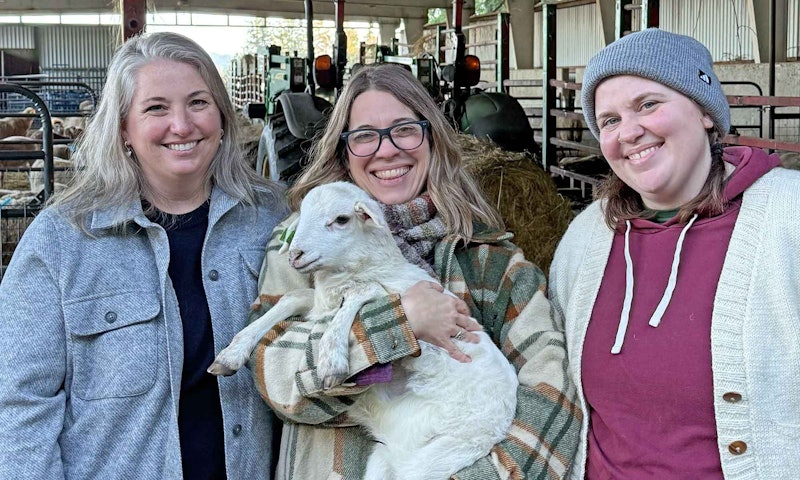
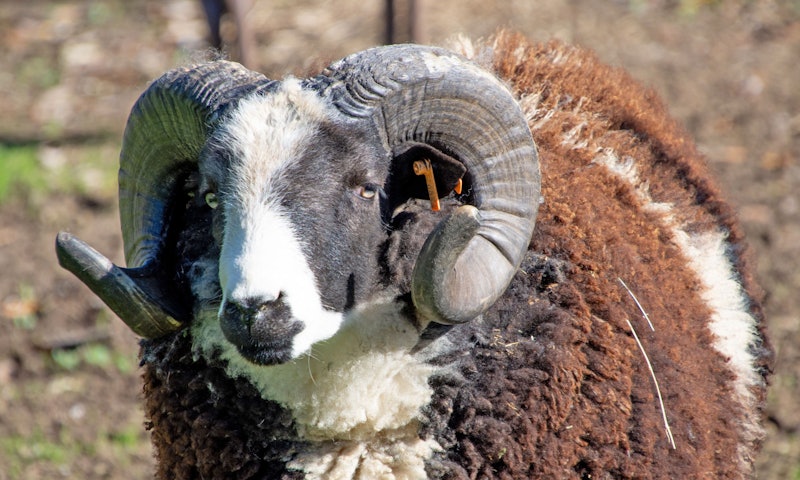
According to these mill owners, breed-specific yarns ask us to pay attention—to staple length and sheen, to regional abundance, and to the quiet decisions that shape a yarn long before it reaches a knitter’s hands.
Topic
Meet the yarn sellers, both online and local yarn shops, we've featured on Farm & Fiber Knits.
 SUB
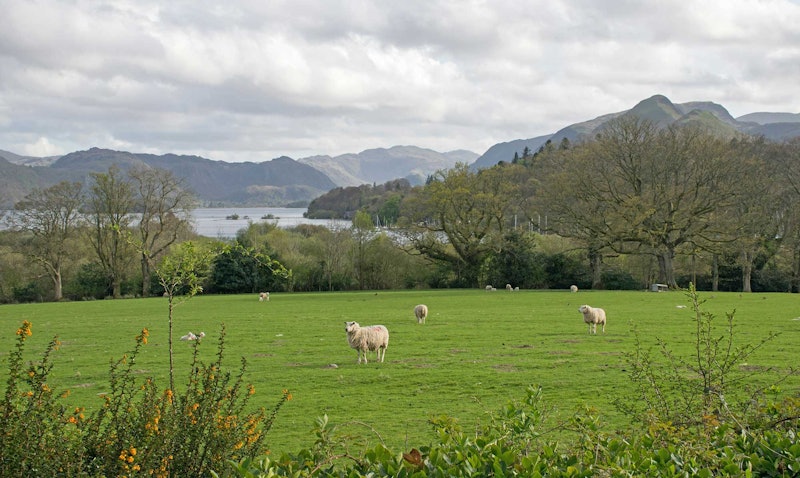
SUBWhy might you want to buy yarn from the farmer who produced it? Maybe you discovered an intriguing yarn at a fiber festival or perhaps you’d simply like to support growers in your region by buying locally. Here are some tips from a shepherd.
 SUB
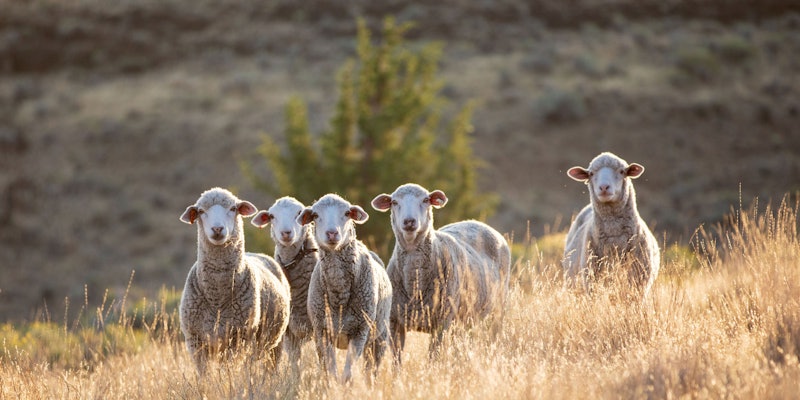
SUBHow can you know where the wool in your yarn was grown and processed, and why is it important? Several programs let you trace the sources of the skeins you knit.
 SUB
SUBFor knitters who fret about soil degradation or want guarantees that the wool yarn they’re sniffing comes from non-mulesed sheep, there’s a certification for that.
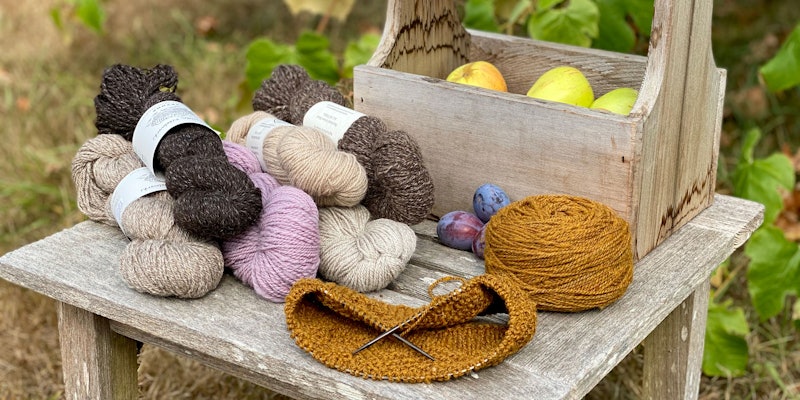
What should you do with your intriguing new skeins of farm-grown yarn? After developing a line of yarns from her own flock, the author and shepherd has some good advice.
Farm & Fiber Knits connects knitters with the people and natural fibers behind their yarn through useful patterns, farm and maker stories, and practical knitting guidance.