
Loading the latest stories…
SUBwool
How can you know where the wool in your yarn was grown and processed, and why is it important? Several programs let you trace the sources of the skeins you knit.
Sandi Rosner5 min read
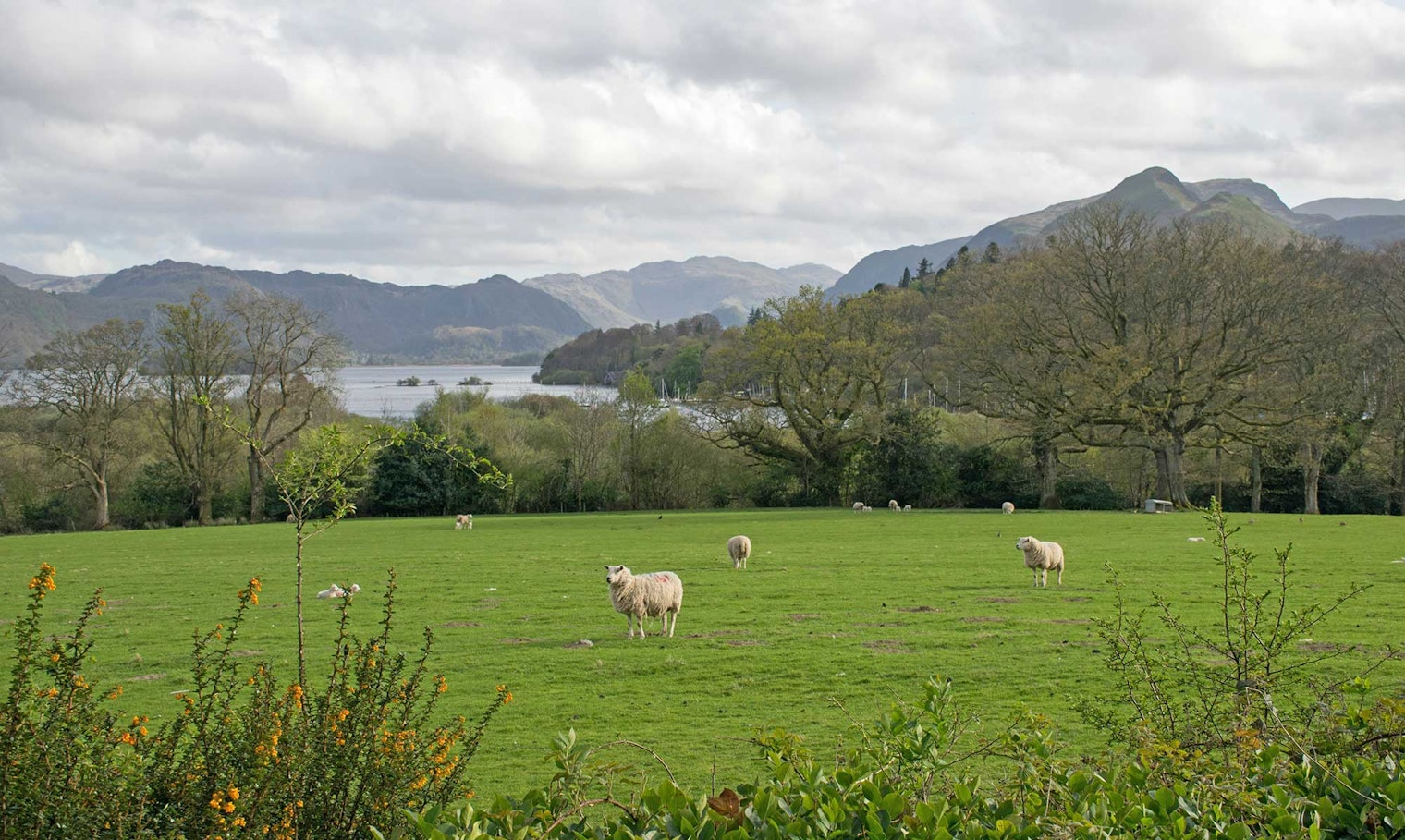
Over the past 10 years, there has been a growing awareness of the impact of clothing production on the planet. Concerned consumers are demanding that fashion brands disclose details about their supply chain, from working conditions in sewing factories and fabric mills to the source of the raw fibers and other materials in their products.
It’s no surprise that these concerns have spread to handknitting yarns. The label on a skein of yarn indicates the country of origin (as required by law), but that is usually the country where the yarn was spun and not necessarily where the fiber was grown or processed. How can you learn more about where the wool in your yarn comes from?
Let’s look at the current options for tracing the source of wool in the handknitting-yarn supply chain.
Tracing synthetic fibers is relatively simple. A unique chemical identifier can be added to the manufacturing process, then verified through testing at every stage in the yarn- or garment-production process.
Tracing wool is a different story. There is no practical way to embed a unique marker in the fleece on the sheep. Markers applied to the surface of the fiber are likely to be lost during scouring, carding, spinning, and dyeing.
Wool traceability is dependent on certification and third-party verification of every step in the supply chain—from the rancher, to the scouring mill, to the spinning mill, to the dyehouse. There are two certifications you’re most likely to see mentioned in connection with handknitting yarn: Responsible Wool Standard (RWS) and NATIVA. You may also see yarn labeled with the Wooltrace or American Wool Assurance certificates. These smaller programs are just beginning to show up in handknitting yarn.
 Look for the RWS or NATIVA logo on the skeins of yarn you purchase.
Responsible Wool Standard is a program developed by Textile Exchange, a global nonprofit working to ensure that the materials used to produce textiles and fashion are produced in a way that supports the planet, its ecosystems, and its communities. Textile Exchange also offers Responsible Mohair Standard and Responsible Alpaca Standard certifications following the same principles.
The RWS sets criteria for animal welfare, land management, and worker health and safety. A third-party certification body inspects the ranch, mill, or factory for compliance with these criteria and conducts annual recertification audits. The certification body also issues “transaction certificates” every time products are shipped from one step in the supply chain to another, verifying the chain of custody.
For a skein of yarn to bear the RWS seal, each stage in the supply chain must be certified, including the
More from Farm & Fiber Knits
From the Library


Comments
No comments yet — be the first to share your thoughts.
Sign in to join the conversation — commenting is for signed-in members.