

Latest
I Spy an Alpaca!
Go behind the scenes to see how a farm, a studio, and a few four-legged costars helped make the magic happen for our Spring 2026 issue.
Category
Go behind the scenes to see how a farm, a studio, and a few four-legged costars helped make the magic happen for our Spring 2026 issue.
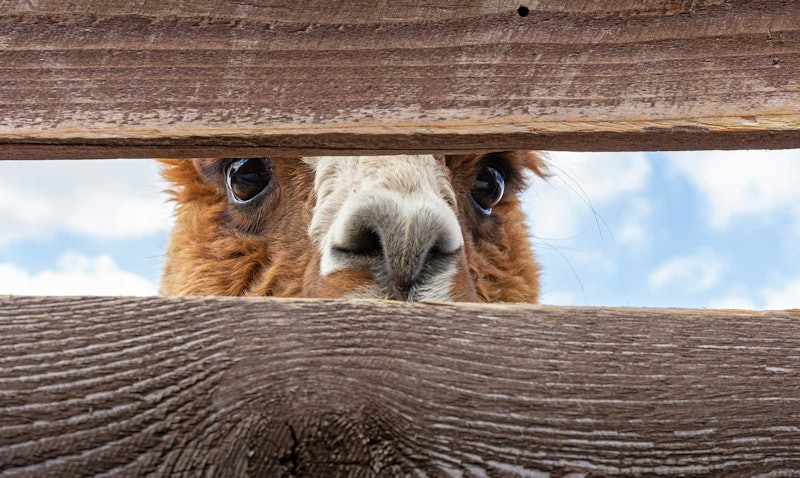
From ear shape to fiber type, small details make a big difference when identifying an alpaca or llama. Test your knowledge with our playful quiz, and learn some fun facts so you can confidently tell llamas and alpacas apart.
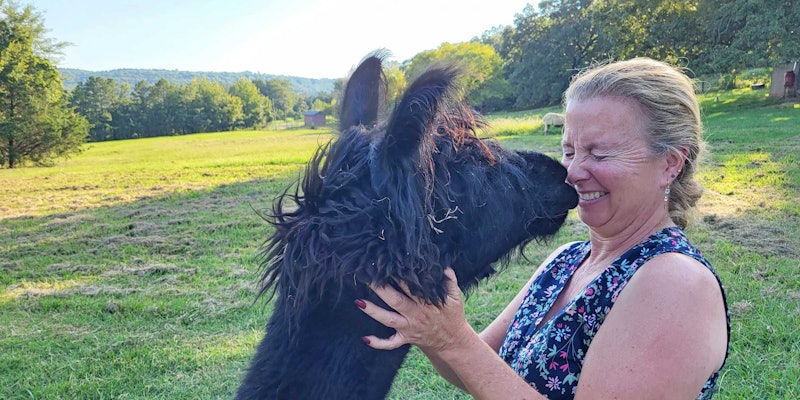
Sourcing yarn, fiber, and handwoven from places such as Puddin Ridge Fibers supports rescue llamas and alpacas, plus community-outreach events (not to mention yarn with remarkable color, drape, and softness).
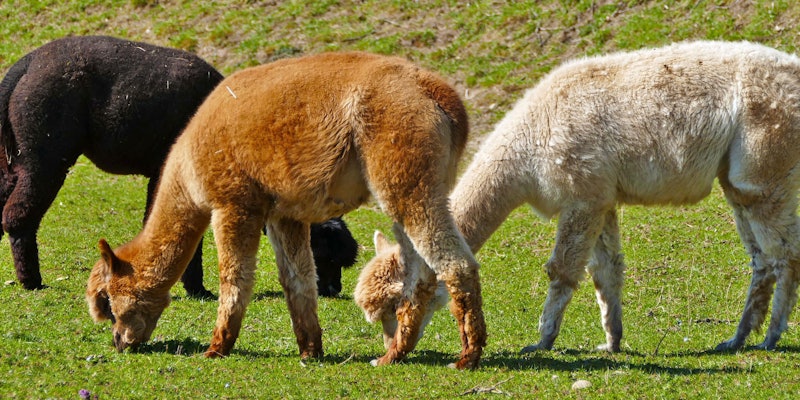
When it comes to alpacas and the luxurious yarns produced from their fleeces, there is a whole world of natural colors to explore.
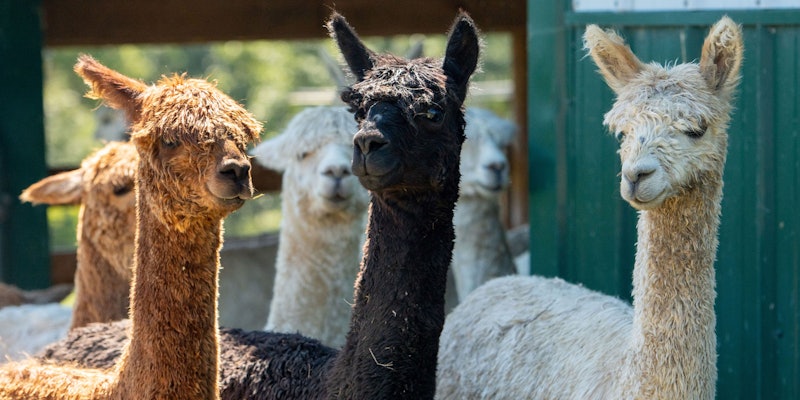
When you find yarn labeled simply “alpaca,” you can generally assume that the fiber comes from huacaya alpacas. But the less-familiar suri alpaca offers unique delights for handknits.
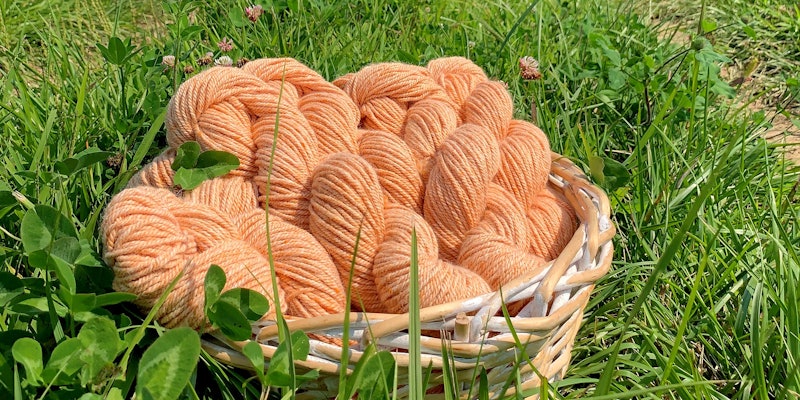
What is the path from those irresistibly fluffy alpacas to the tidy skeins of remarkable softness in your yarn basket?
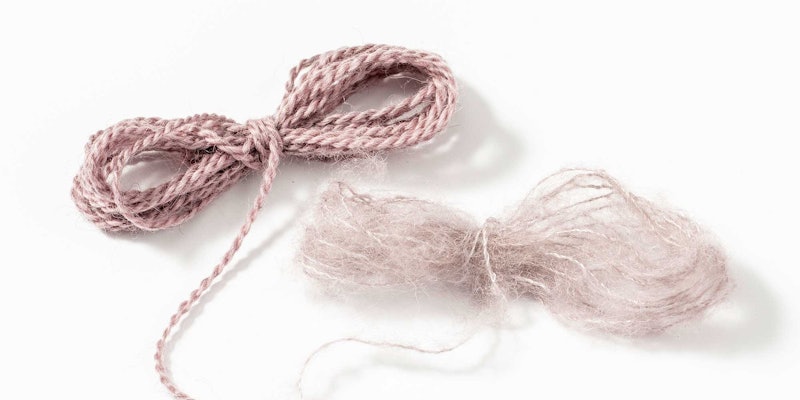
Combining alpaca’s rich, silky drape with the Merino’s bounce or silk’s luster can allow us to build our best knits yet.
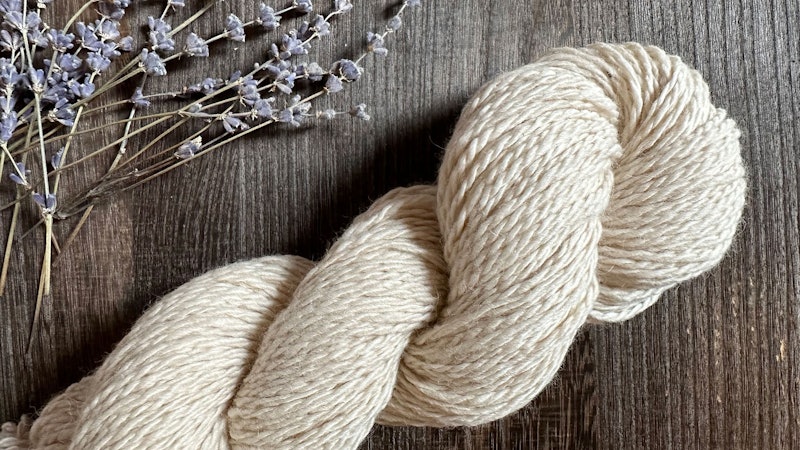
Taking home a skein or two of yarn from a farm visit is a tangible way of connecting your knitting and the fiber animals who make it possible.
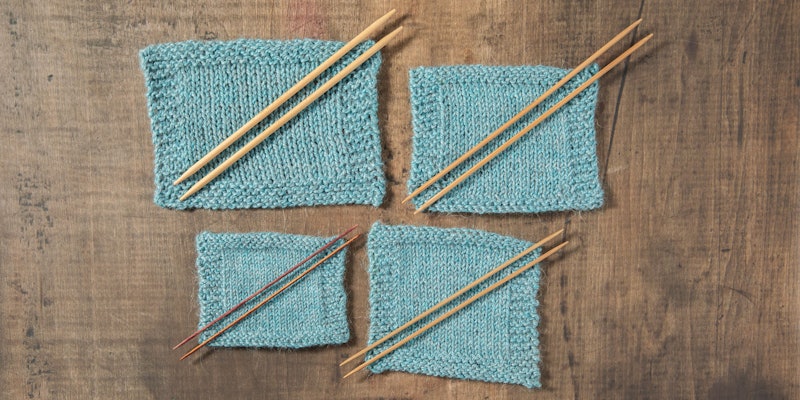
Every knitter needs to understand a basic truth about knitting yarn labels: the needle size is just a suggestion.

Whether you’re knitting the spectrum of natural alpaca colors or choose the colors of the rainbow, this pattern is quick and delightful.
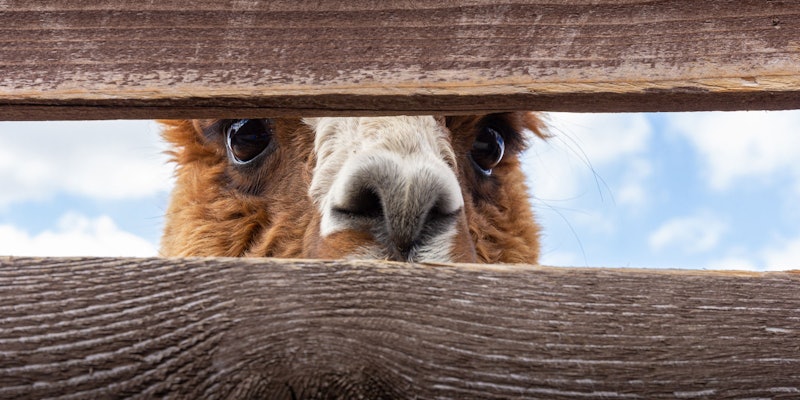
Whether you are working with commercially available yarn or small-batch yarns from a local alpaca grower, here are some tips to getting the most out of your alpaca projects.
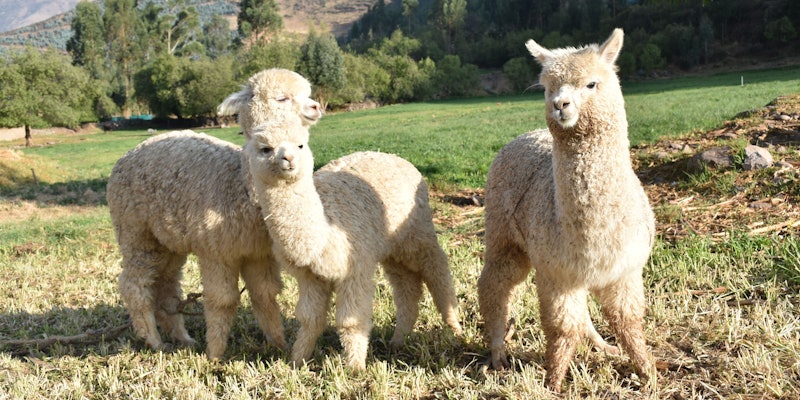
Knitters have so many reasons to love these fluffy, gentle beasts and their soft fiber.

Have you ever wondered whether you’re looking at an alpaca or a llama? Camelid expert Chris Switzer explains the differences.