
Loading the latest stories…
SUBKnitting
Whether you are working with commercially available yarn or small-batch yarns from a local alpaca grower, here are some tips to getting the most out of your alpaca projects.
Jacqueline Harp4 min read
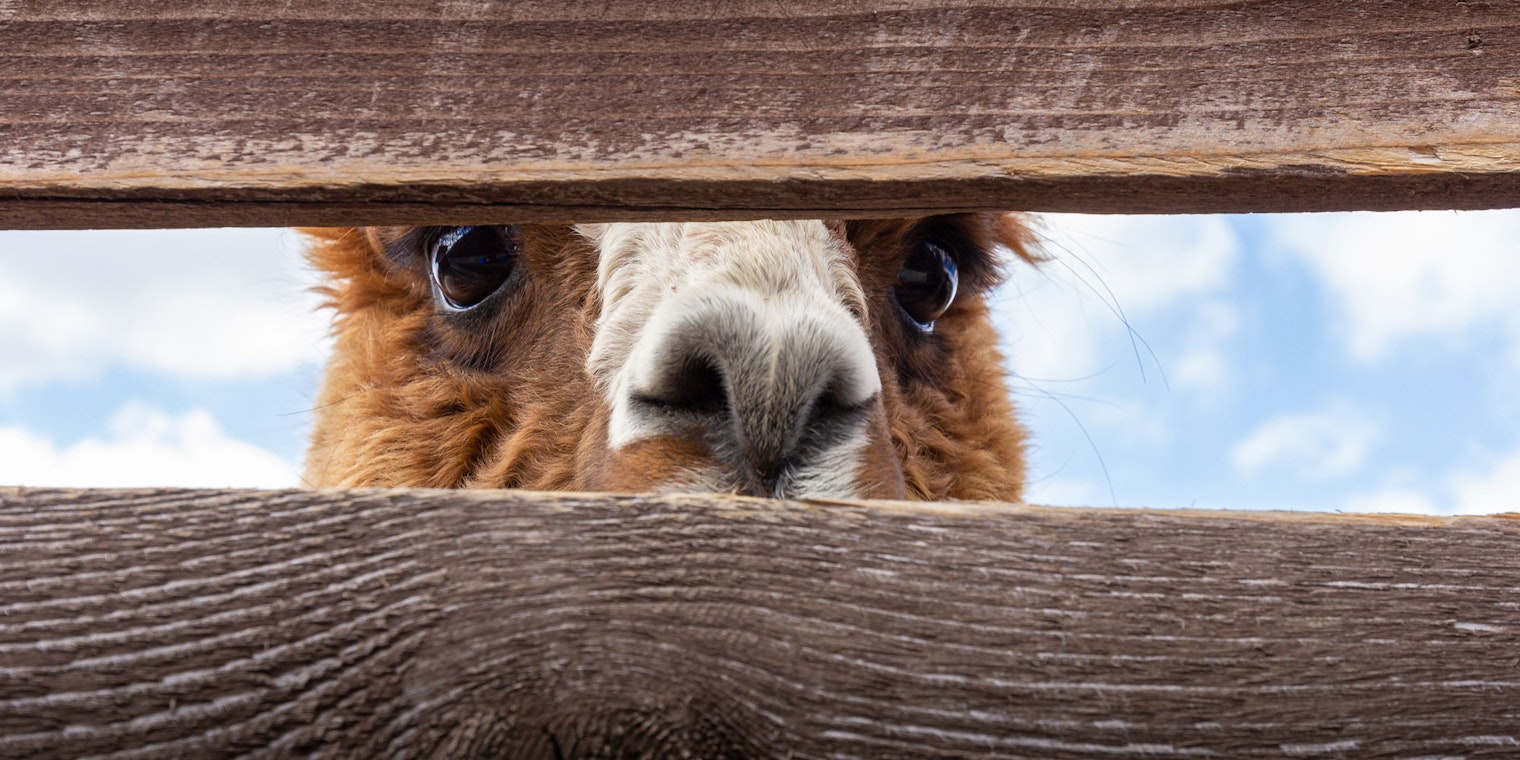
For the uninitiated knitter, alpaca yarns can be intimidating and mysterious. Anyone who has browsed in a local yarn shop knows that those seductively soft skeins containing alpaca fiber are rare and expensive. But don’t let the mystery keep you from a sumptuous knitting experience.
Alpacas are small camelids originally from South America and can be found all over the world. They are unforgettably cute creatures, resembling a stack of marshmallows with huge, dewy eyes. There are two kinds of alpaca fibers: huacaya (wah-KY-ah), a dense, soft, crimpy fiber, and the rarer suri (SOO-ree), a silky fiber that grows in pencil-thin locks that resemble silk ribbons. Because suri fiber is so rare, you can assume that most yarns containing alpaca will be made from huacaya fiber unless the label specifies otherwise.
Alpaca is beautifully fine, dense, soft, and smooth to the touch. It is also very warm and lustrous. The lack of lanolin makes alpaca a hypoallergenic option for those with sensitive skin. Alpaca comes in a variety of natural colors, from pure black to white, with silver grays and creamy browns. Dyed alpaca is available in an assortment of warm, earthy tones, pastels, and deep and bright hues.
More from Farm & Fiber Knits
From the Library




Comments
No comments yet — be the first to share your thoughts.
Sign in to join the conversation — commenting is for signed-in members.