
Loading the latest stories…
From ear shape to fiber type, small details make a big difference when identifying an alpaca or llama. Test your knowledge with our playful quiz, and learn some fun facts so you can confidently tell llamas and alpacas apart.
Farm & Fiber Knits Editors2 min read
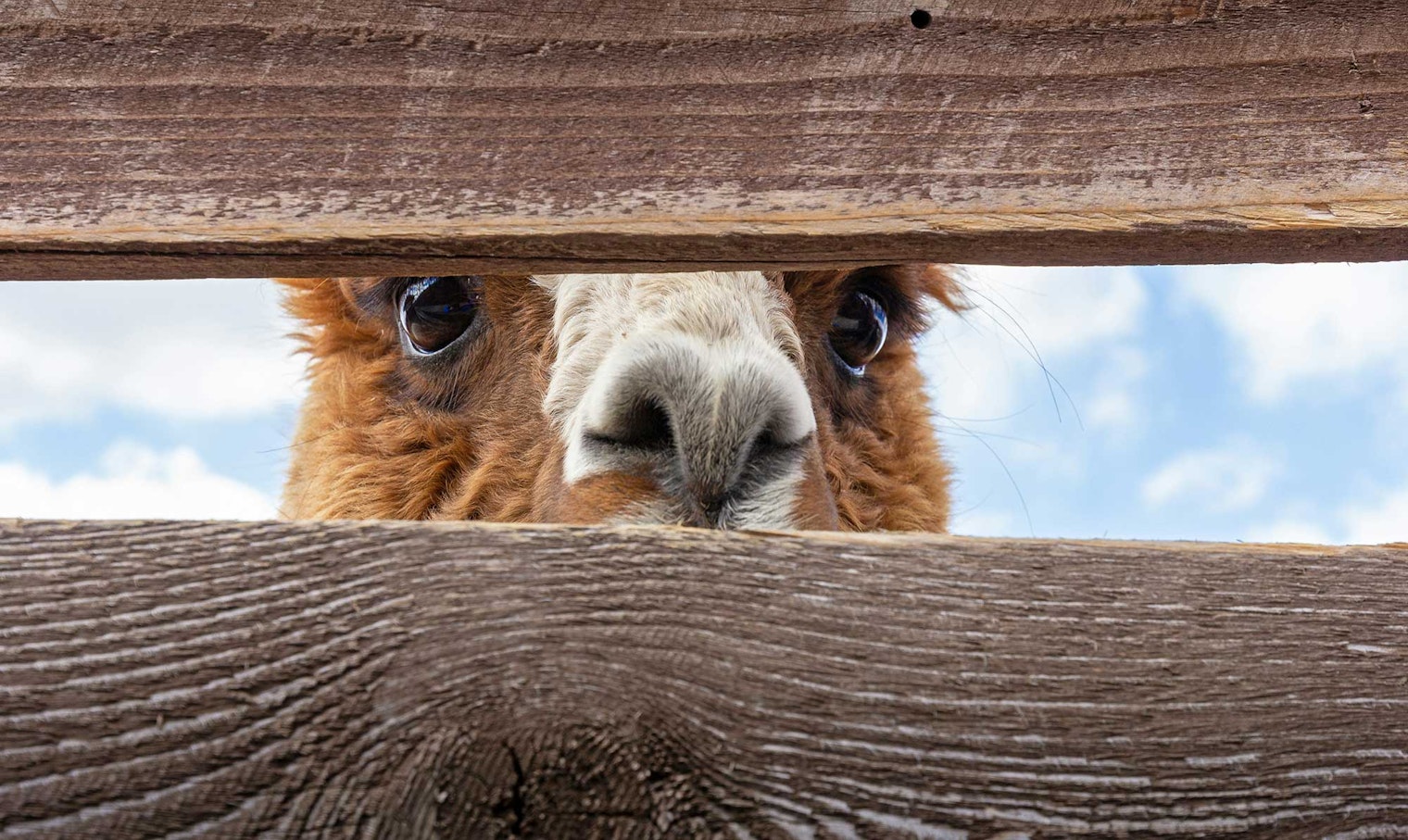
At first glance, llamas and alpacas may look similar. Alpacas and llamas are both part of the camelid family (hoofed mammals native to South America—think camels). Though the two animals are closely related, there are some distinct differences in their appearance and behavior.
 Photos by Dušan Veverkolog on Unsplash
With a little help from Karen Kinyon at Double K Diamond Llamas and Fiber in Northern Colorado, we’ve put together a few questions to test your knowledge.
Click each card to reveal the answer.


Having raised both species for many years, Karen notes that llamas and alpacas share several traits: short tails held close to the body, excellent eyesight that spans nearly 180 degrees without turning their heads, and highly attuned ears that swivel like radar to detect potential danger.
Click on the images to learn more.
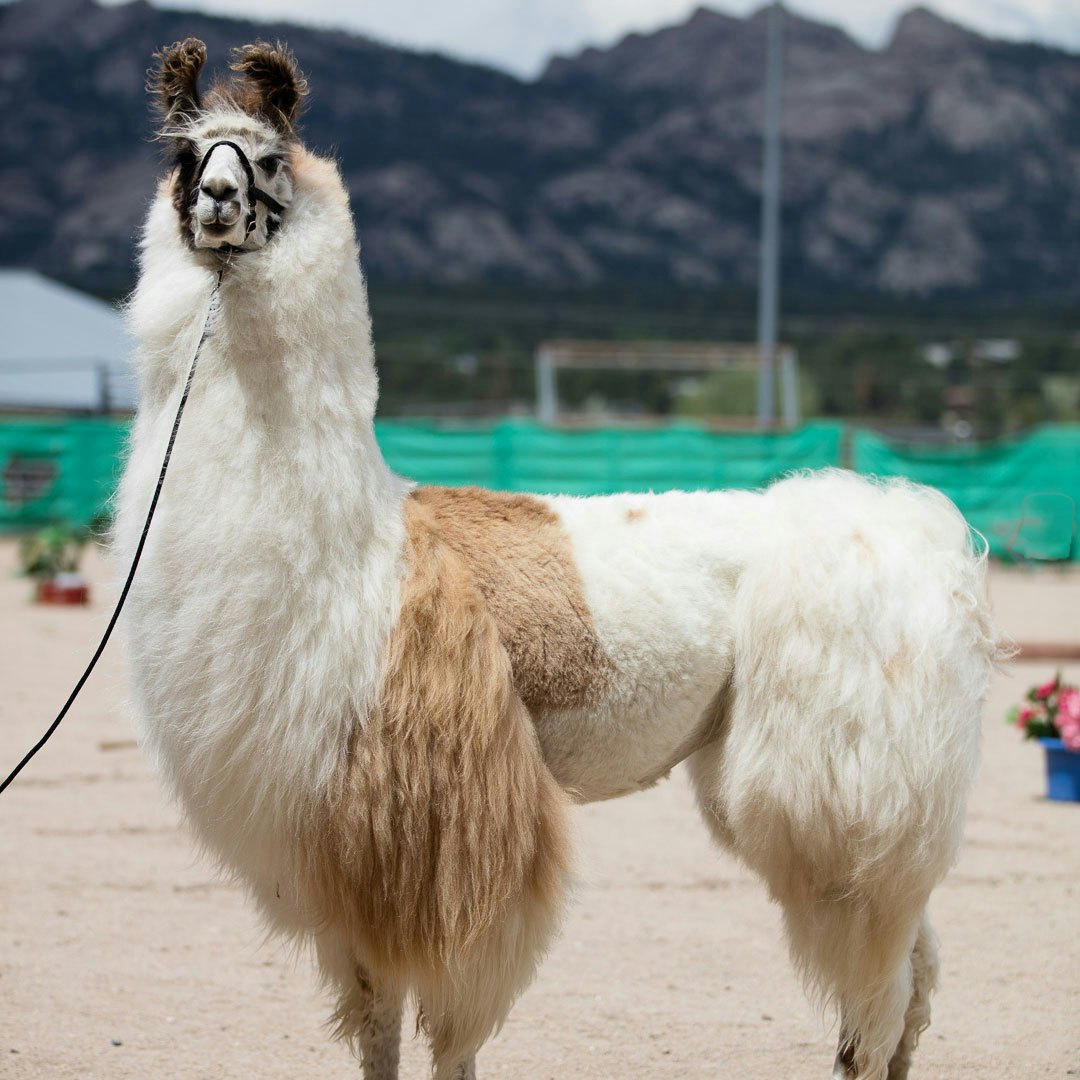
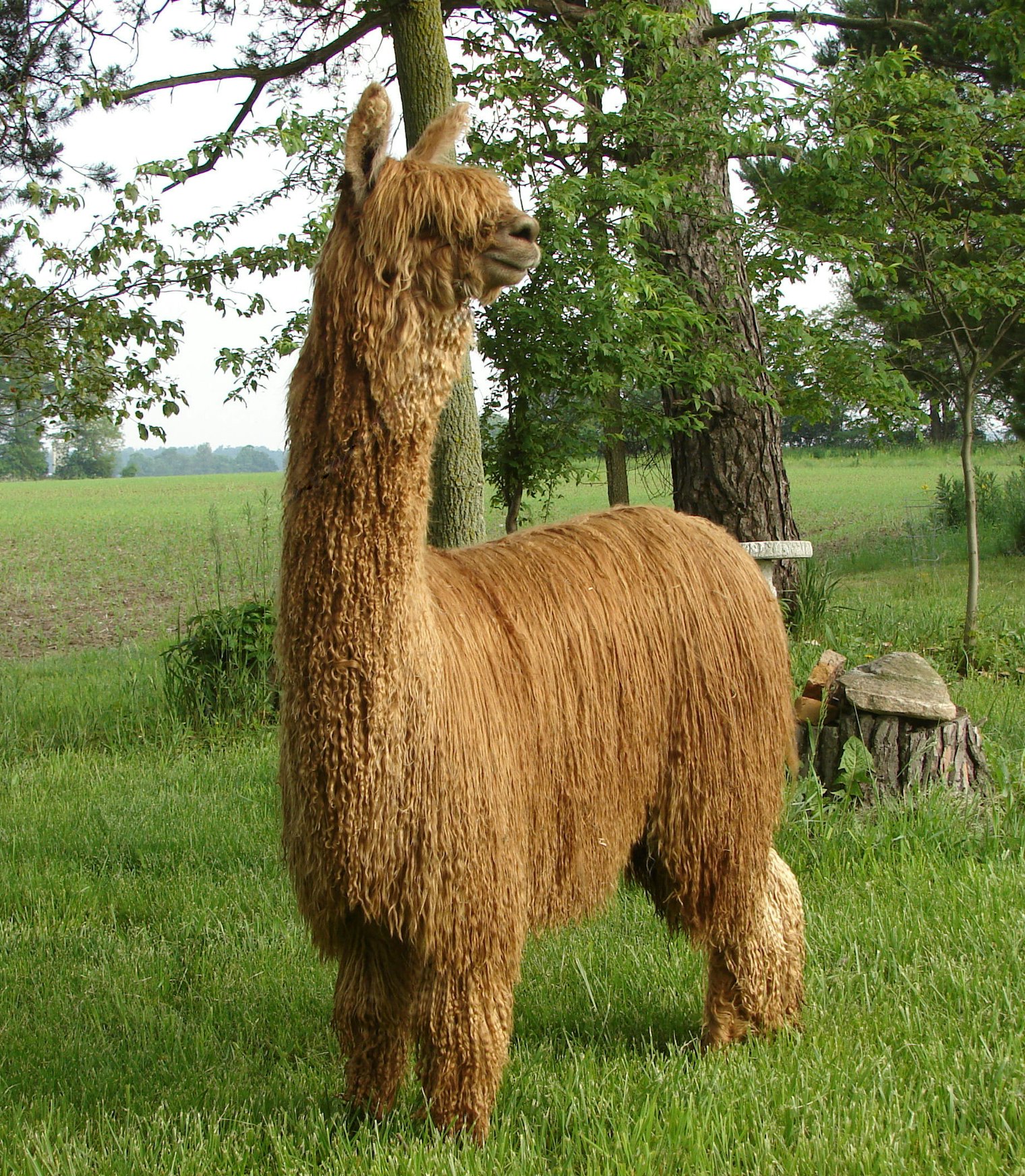
Both animals lack top front teeth; instead, hard gums allow them to tear grass rather than pull it out by the roots, keeping grazing gentle on the land. Their low-impact footprint is further helped by soft, padded feet—much like a dog’s—with two sturdy toenails that need regular trimming.
 The baby takes center stage in this sweet family portrait of four generations of alpacas. Photo courtesy of Three Points Fiber Mill and Alpaca Farm
The offspring of both animals are called cria; these babies are quick to nurse and to stand on their own!
And, finally, Karen says “They are both wonderful, delightful creatures.”
Karen Kinyon has raised llamas and alpacas for 37 years. She currently offers hand-dyed and natural-colored yarn made from llama and alpaca fleece, along with handknitted lace shawls and hats, plus handwoven scarves, shawls, and felted rugs. In addition, Karen offers seminars in weaving, knitting, spinning, felting, dyeing, and crochet in her studio on her ranch in Wellington, Colorado. Contact Karen at kkdllamas@gmail.com.
Learn more about suri alpacas and what their fleece is like to knit with.
Read about professional shearer Tabbethia Haubold-Magee, the llamas she raises, and her passion for connecting people with where their yarns come from.
Learn how Puddin Ridge Fibers supports rescue llamas and alpacas, plus find out how their yarn, fiber, and handwoven goods support community-outreach events.
How does alpaca fiber become premium yarn? Follow the path from pasture to pullover.
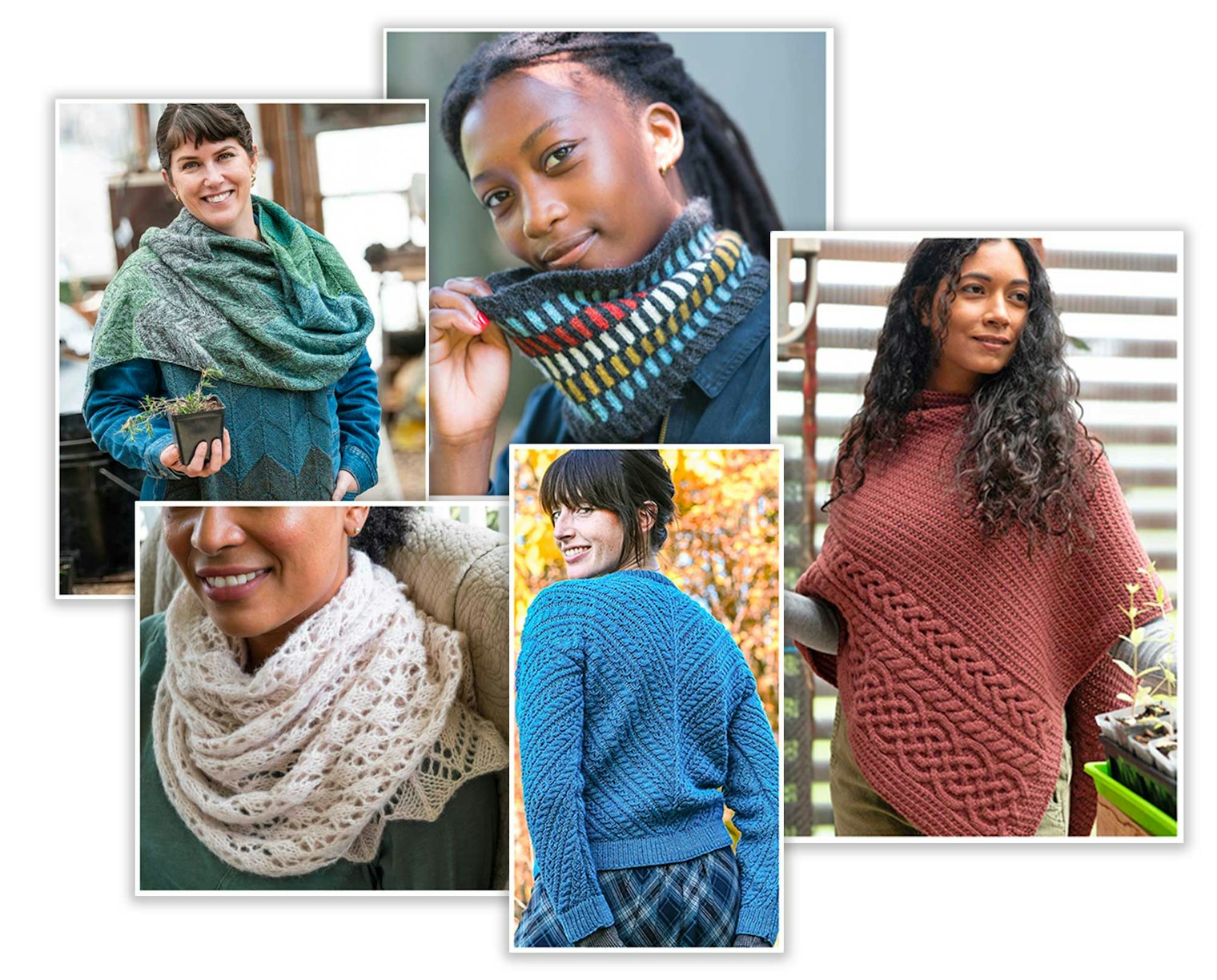
(Projects pictured above, clockwise from top left; photos by Gale Zucker)
Knit the Parastripe Shawl in 100% alpaca laceweight.
The Timberlane Cowl is cozy in 100% baby alpaca.
The Wicklow Wrap is knitted in an alpaca/Merino blend.
Knit the Chamfer Cardigan in a blend of Merino and alpaca.
The Whisper Wrap uses a blend of alpaca, silk, and cashmere.
Find even more patterns that feature alpaca yarn in the Farm & Fiber Knits Library.
More from Farm & Fiber Knits
From the Library



Comments
No comments yet — be the first to share your thoughts.
Sign in to join the conversation — commenting is for signed-in members.