
Loading the latest stories…
SUByokes
Learn how yoke depth impacts fit, style, and silhouette—and a great trick for adjusting a pattern for your preferred ease.
Lisa Shroyer5 min read
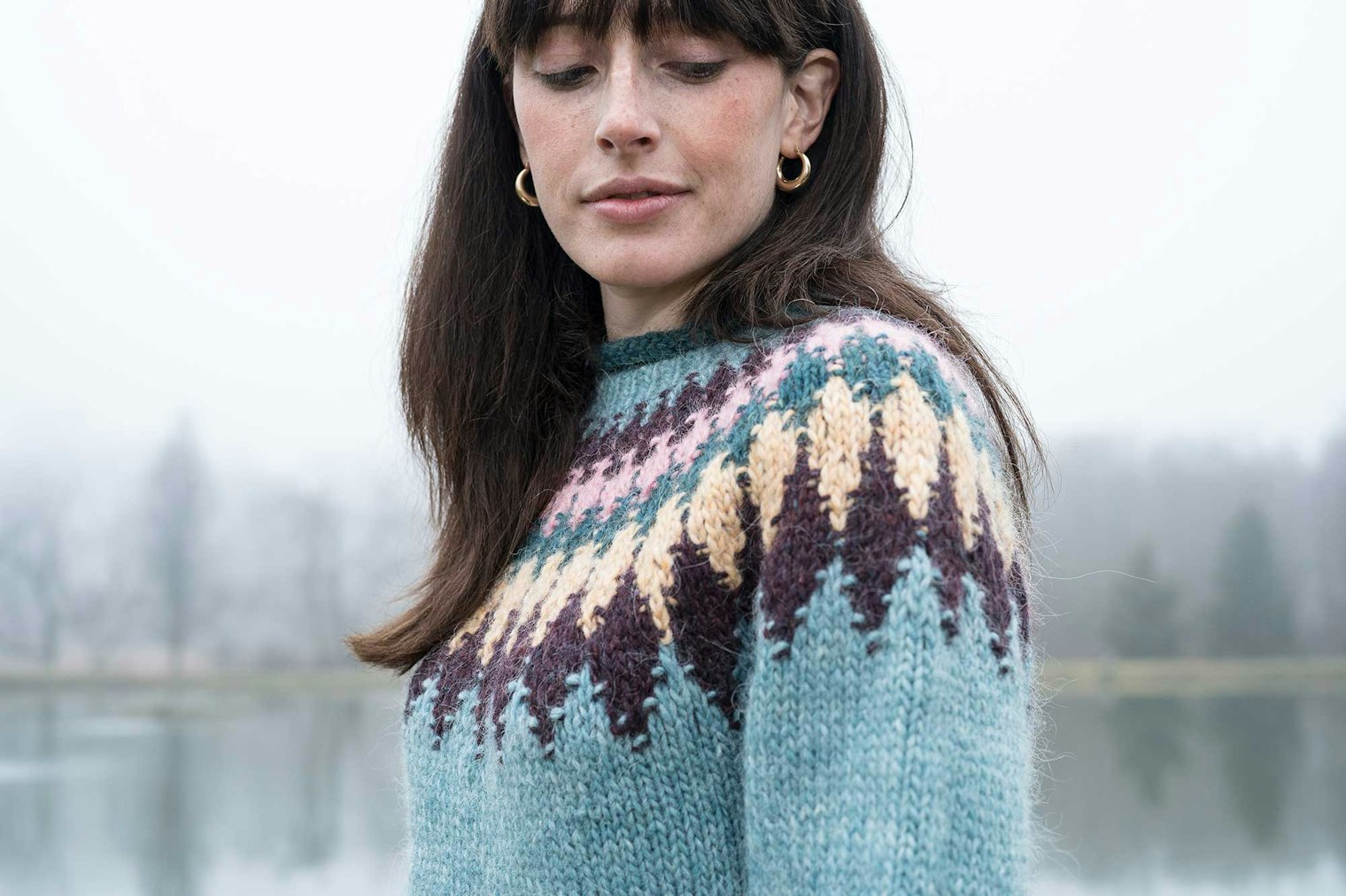
Here’s what we know about the perennially popular circular yoke sweater—it’s all about the upper body. Within that section we know as the yoke—the upper body between neckline and underarm—a knitter has a lot of work to do. What you notice right away, in most such designs, is the fun patterning up there. Take these two sweaters, for example:
Get a closer look! Click any image in the gallery below to open it in full-screen mode.
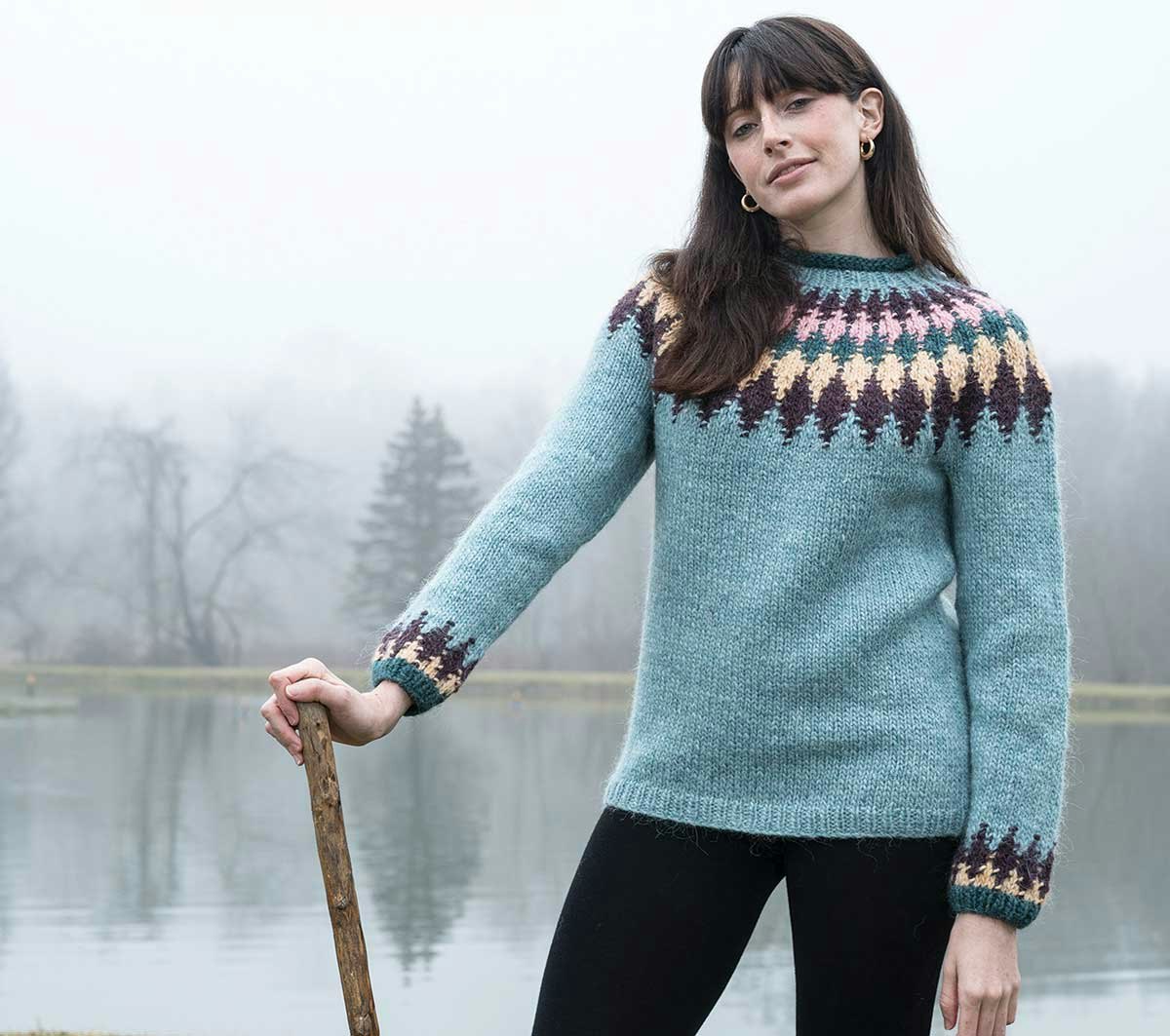
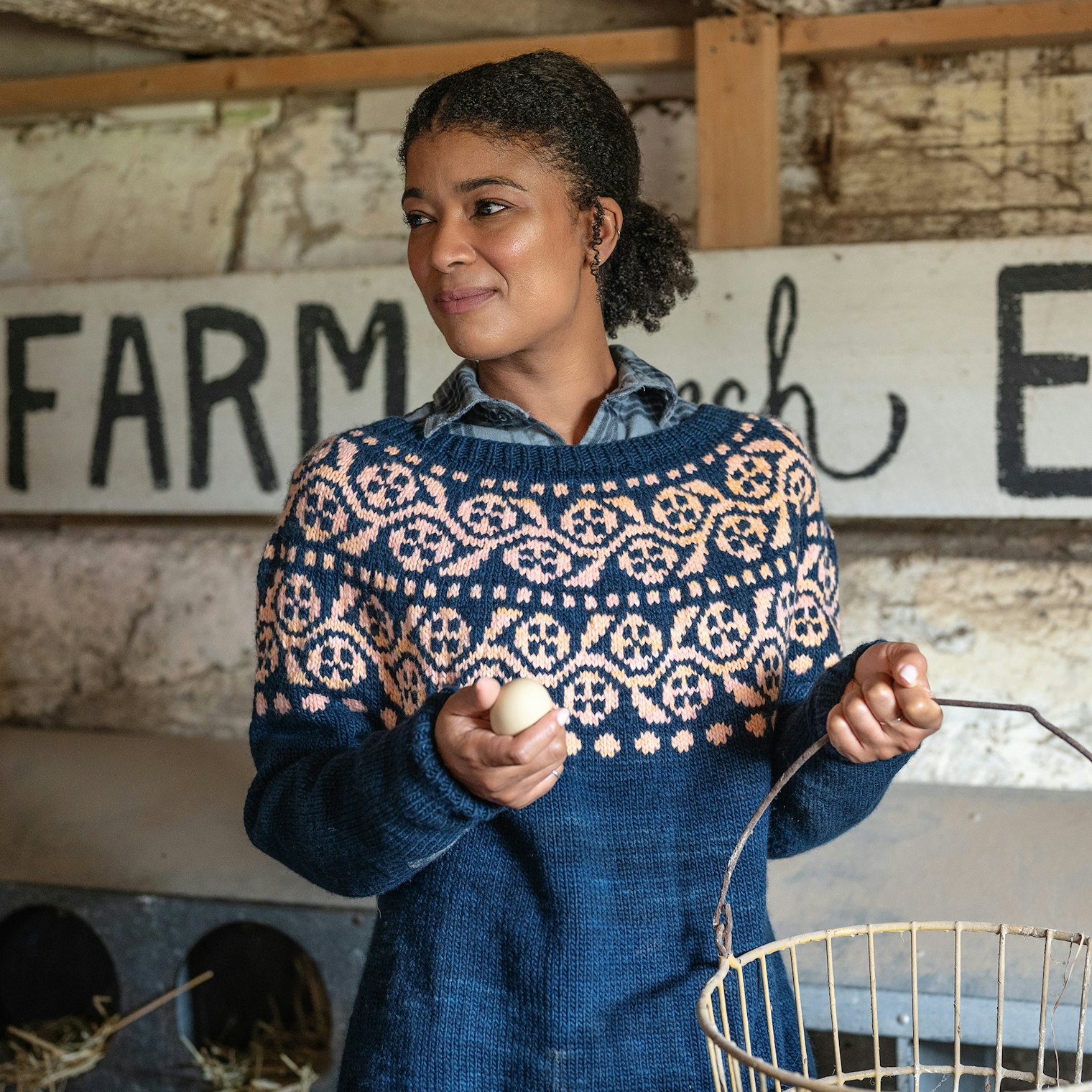
The Tíglar Tvier (left) and Clematis Yoke Pullover (right) both feature bold colorwork patterning in the yoke. The colorwork is what draws the eye and makes a knitter want to cast on, right? What colors would you choose? What yarn?
But what else is happening in these yokes? Friends, this is where the sweater geek in me gets excited! Because within the patterning, there is a world of construction going on.
A knitwear designer has to engineer shoulder shaping and construction within the patterning of a circular yoke sweater. The neckline circumference must be smaller than the bust/chest circumference. The sleeves must join the body and become one. So all that patterning has to be designed to work with shaping across its depth. If you’re working top down, that means increases. Bottom-up, decreases. In pattern.
This synchronicity between stitch pattern and shaping and depth are what make circular yokes so enchanting. It is also what makes altering any one of those elements difficult.
When you choose a size of a sweater pattern to knit, your primary focus is on bust/chest circumference. With
More from Farm & Fiber Knits
From the Library


Comments
No comments yet — be the first to share your thoughts.
Sign in to join the conversation — commenting is for signed-in members.