
Loading the latest stories…
SUBcast on
Looking for a great cast-on for your next sock project? Check out this classic.
Pamela K. Schultz3 min read
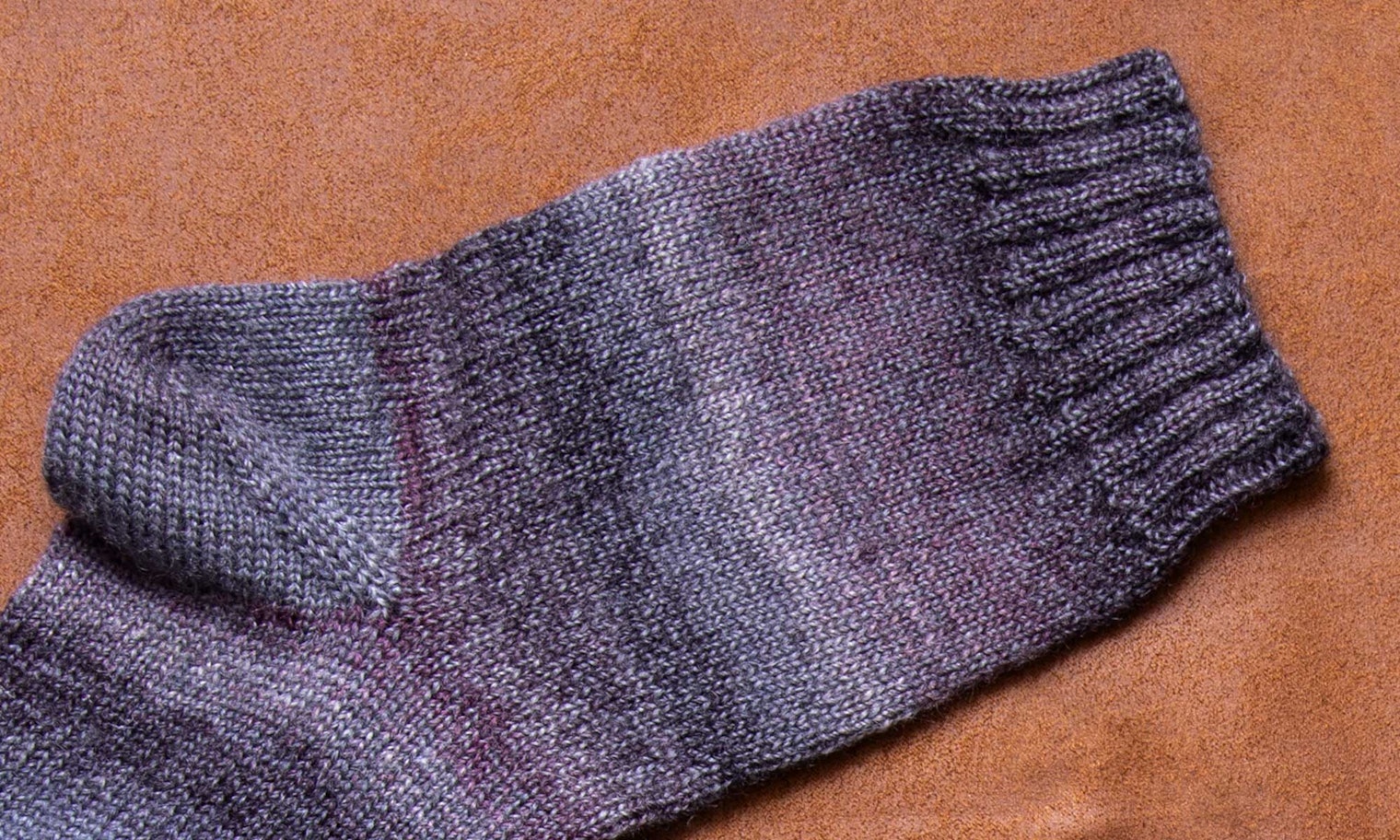
As knitwear designer and frequent Farm & Fiber Knits contributor Sandi Rosner writes, “You can spoil top-down socks right out of the gate by using an inelastic cast-on.” While beginners are often advised to cast-on over two pairs of needles held together, this often results in an edge that is too sloppy, not to mention difficult to manage. Enter the German twisted cast-on (sometimes called Old Norwegian). It is a variation on the long-tail cast-on that results in a tidy, stretchy edge with no extra tools required.
 An extra twist added during cast on makes the German twisted cast-on more elastic.
Instead of simply making the cast-on stitches looser, the German twisted cast-on adds a tiny bit of extra twist at the base of each stitch. This twist acts like elastic, stretching when needed and bouncing back into place when not in use. Remember to give yourself a little bit of extra yarn for this cast on—it might not seem like much, but the extra twist does use more yarn!
As I learned the German twisted cast-on, I found my muscle memory trying to trick me into using a plain long-tail cast-on. But as I practiced, the German twisted cast-on soon became second nature. Now that I have a tidy, stretchy edge in my cast-on library, I’m confident enough to cast-on for a new pair of socks! Watch my short how-to video below, and then try it on some of the sock patterns to follow.
—Pamela
More from Farm & Fiber Knits
From the Library




Comments
No comments yet — be the first to share your thoughts.
Sign in to join the conversation — commenting is for signed-in members.