
 SUB
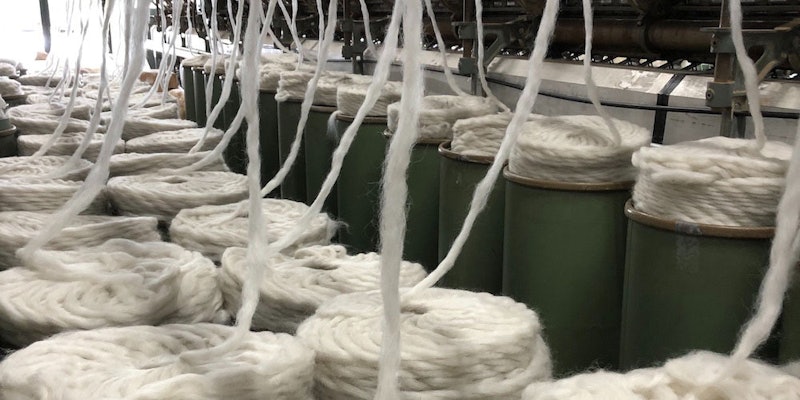
SUBKnitting Yarn—the Inside Scoop
Mary Jeanne Packer of Battenkill Fibers on wool, farms, fiber blends, festivals, and how knitters can save small farms.
For Subscribers
Articles for Farm & Fiber Knits subscribers and All Access members. Sign in to read in full.
SUBMary Jeanne Packer of Battenkill Fibers on wool, farms, fiber blends, festivals, and how knitters can save small farms.
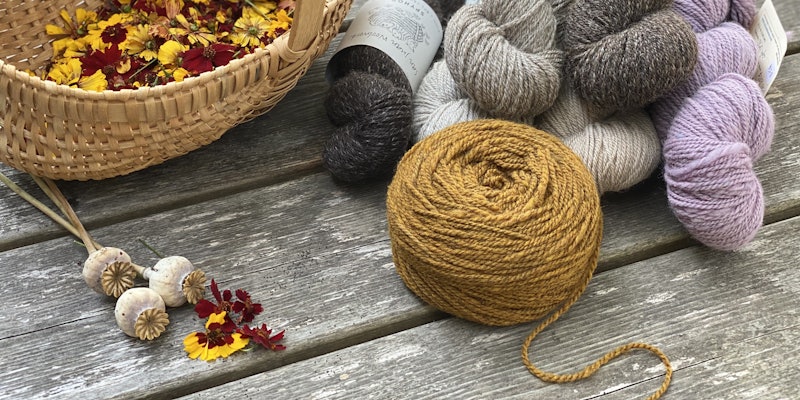
Breaking out of the breed-specific mold, some shepherds crossbreed for the variety of traits they want in a fleece and yarn.
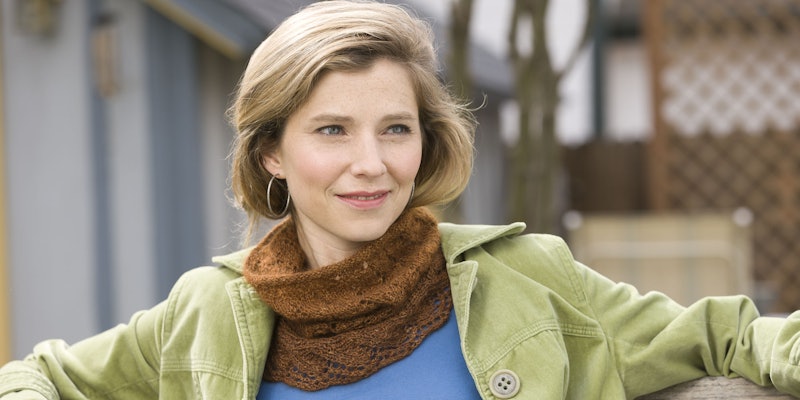
Fall into autumn with a project designed to keep out chills yet still breathe, thanks to an open lace stitch pattern.
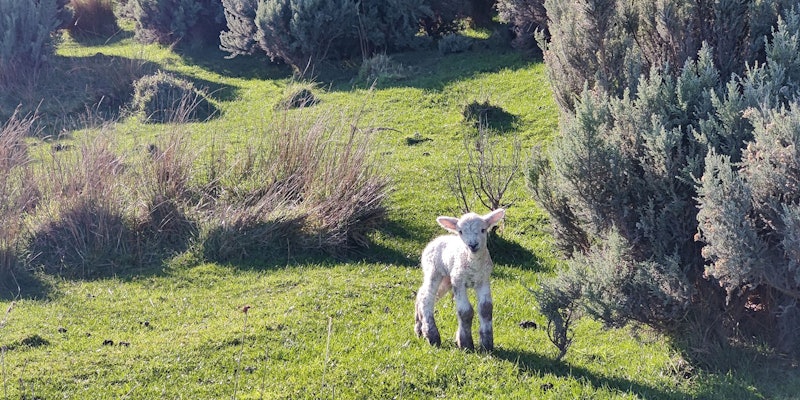
Moving from California to her new home in New Zealand, bestselling author Rachael Herron discovers that knitting as a local is both more complex and more rewarding than she expected.
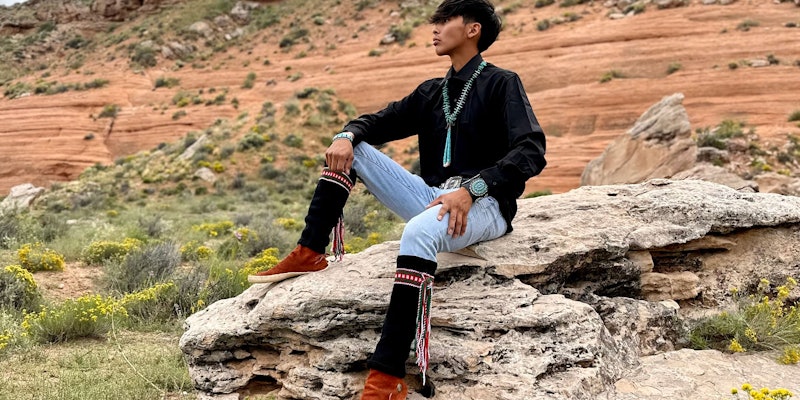
In a tradition that links generations of Diné, knitting for winter ceremonies is “men’s work.”
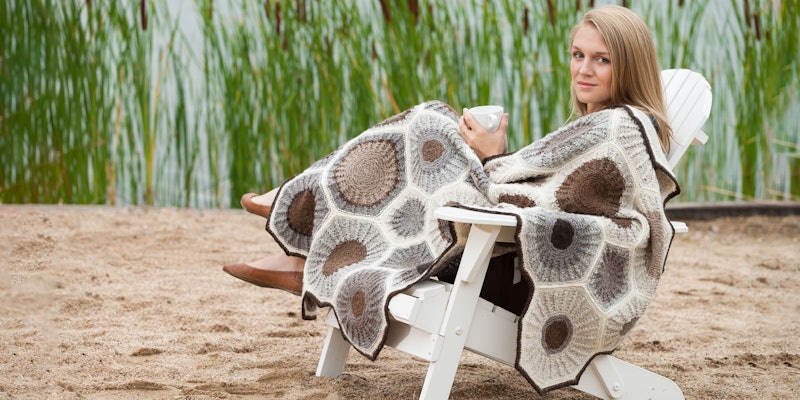
Inspired by wool’s natural colors, Amy Tyler interpreted the fossilized coral Petoskey stones as a modular throw.
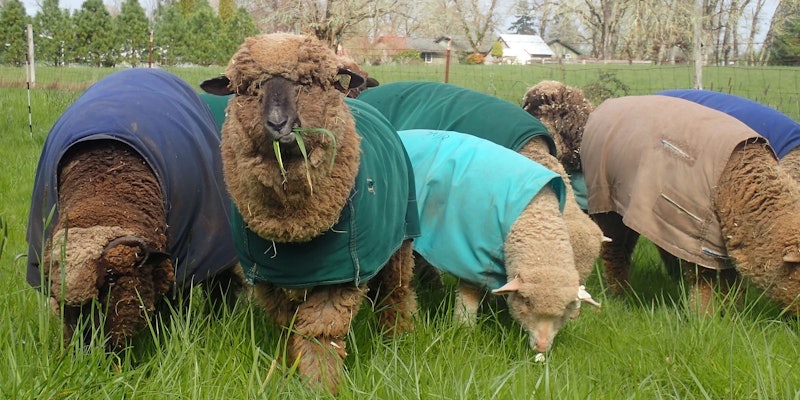
Merinos and other sheep were bred for centuries for bright-white fleece, but some shepherds are working to add color to their flocks.
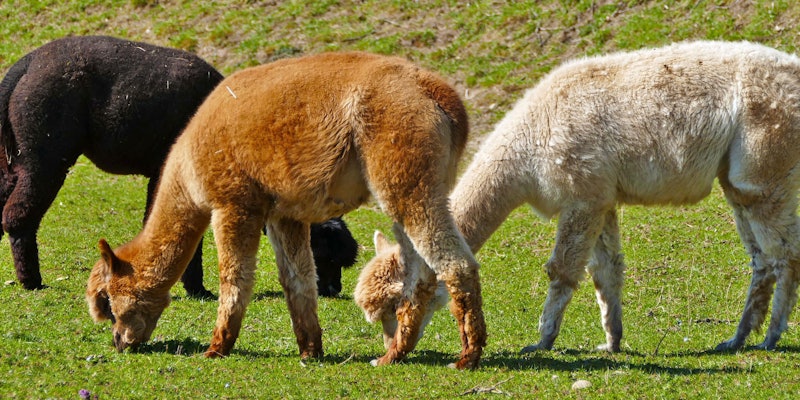
When it comes to alpacas and the luxurious yarns produced from their fleeces, there is a whole world of natural colors to explore.
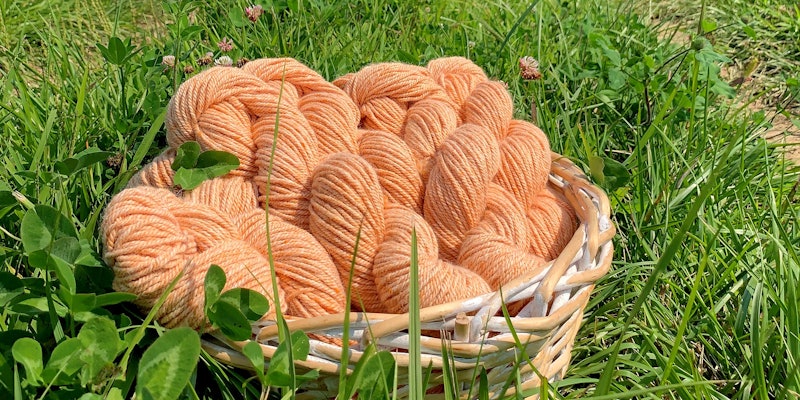
What is the path from those irresistibly fluffy alpacas to the tidy skeins of remarkable softness in your yarn basket?
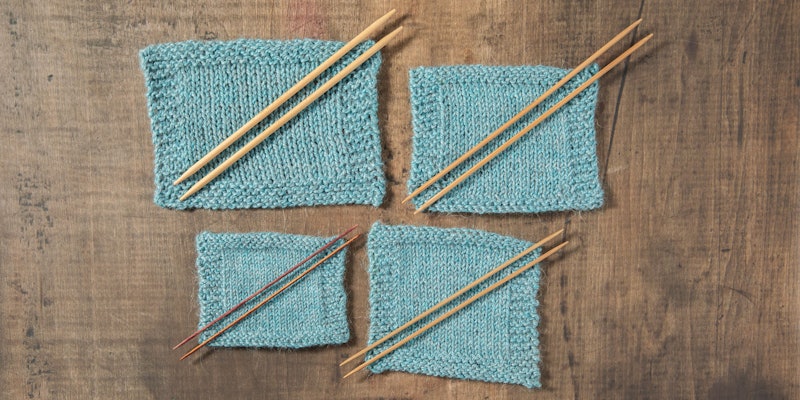
Every knitter needs to understand a basic truth about knitting yarn labels: the needle size is just a suggestion.
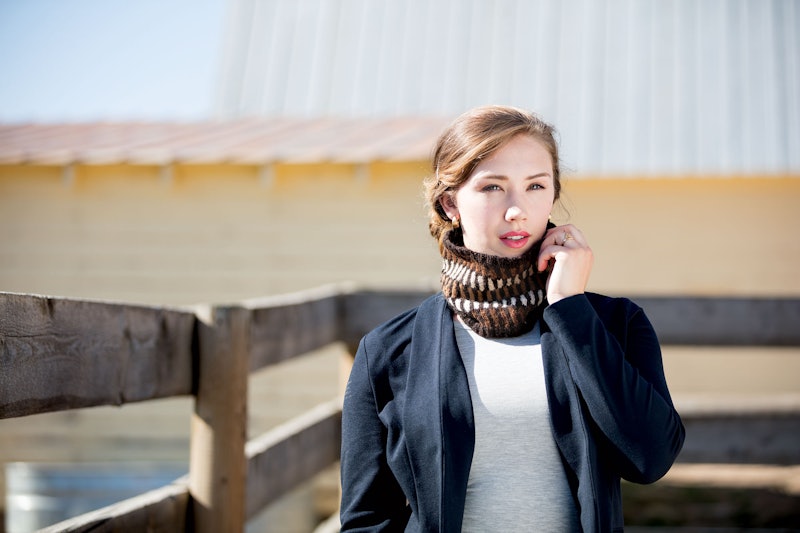
Whether you’re knitting the spectrum of natural alpaca colors or choose the colors of the rainbow, this pattern is quick and delightful.
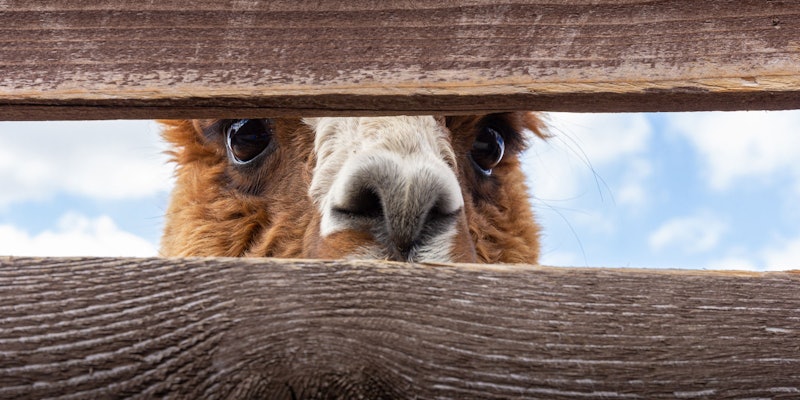
Whether you are working with commercially available yarn or small-batch yarns from a local alpaca grower, here are some tips to getting the most out of your alpaca projects.