
 SUB
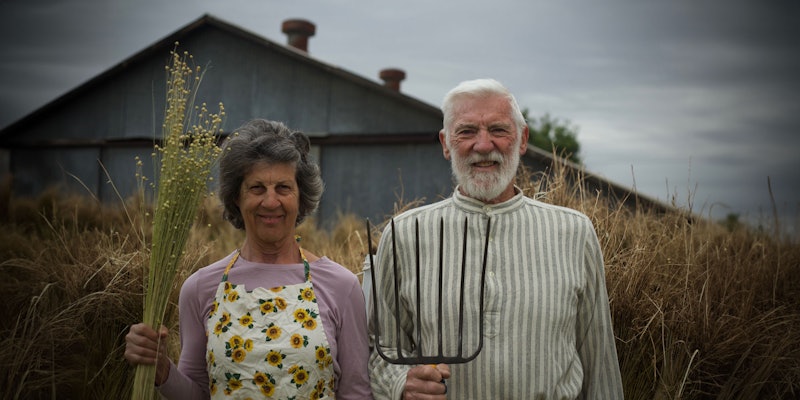
SUBThe Quest for Local Linen: Chico Flax
If cotton is the king of cellulose fibers, then linen is the queen. In Northern California, farmers are working to bring back local sources of this fundamental fiber.
Category
SUBIf cotton is the king of cellulose fibers, then linen is the queen. In Northern California, farmers are working to bring back local sources of this fundamental fiber.
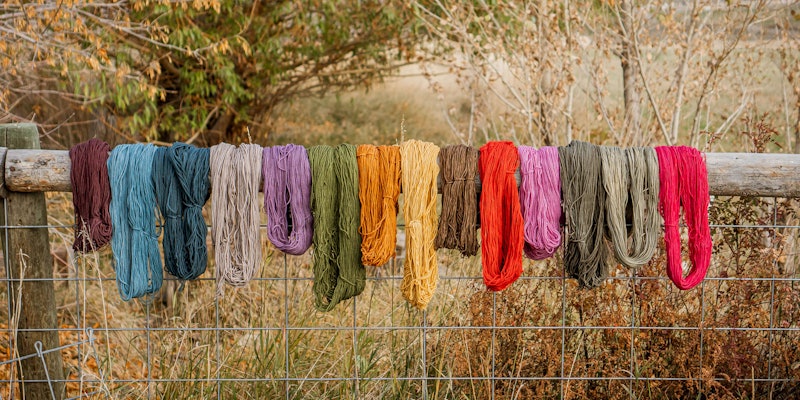
By bringing sheep back to her family’s Montana ranch, Kami Noyes has connected with knitters across the country through her yarns, fiber, and wool festival.
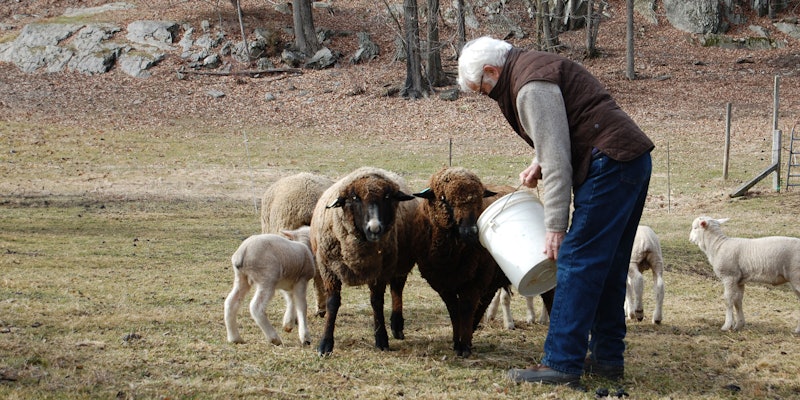
How can a wool farm remain a viable business in a changing world? A young farmer and agricultural consultant, drawn to Morehouse Farm since childhood, Erin Pirro helps navigate the farm’s next chapter.
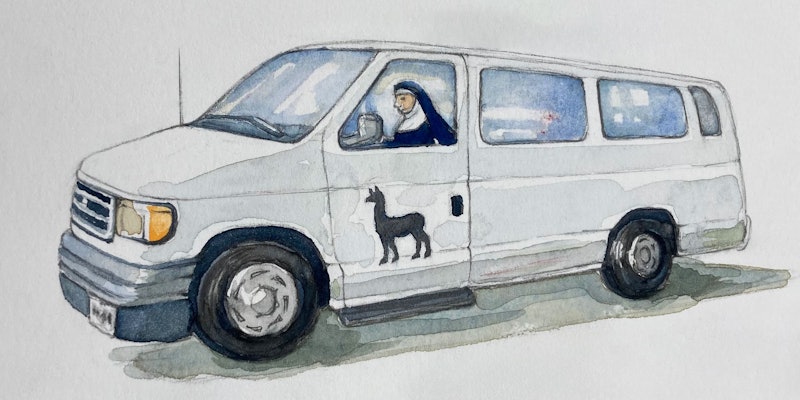
A knitter recalls her visit to an extraordinary flock while standing on the threshold of her academic career.
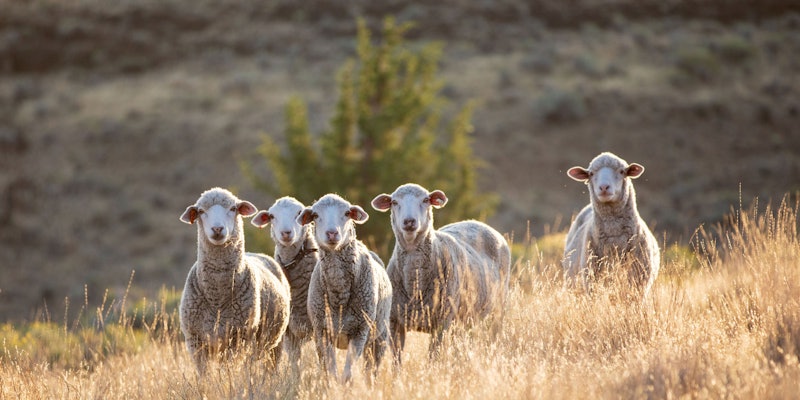
For knitters who fret about soil degradation or want guarantees that the wool yarn they’re sniffing comes from non-mulesed sheep, there’s a certification for that.
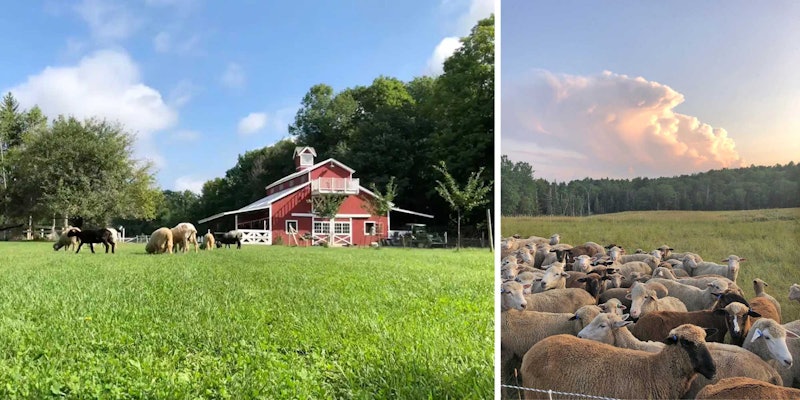
Whether it’s a swanky Airbnb on an alpaca ranch or an extended-stay work volunteer program, fiber farms around the world are waiting for you to join them.
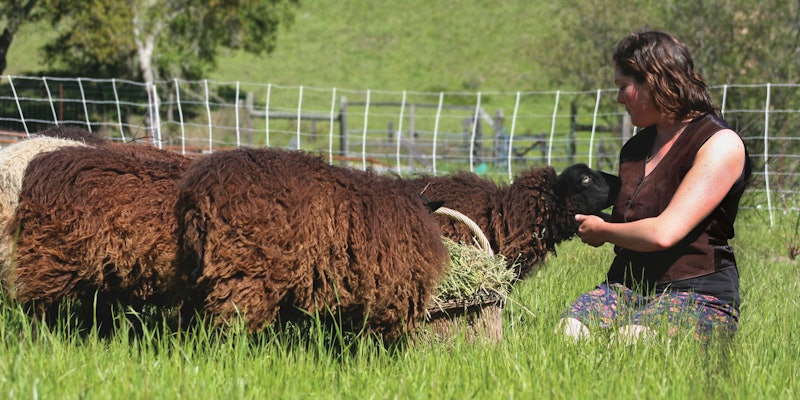
Can your lawnmower grow you the fiber for a pair of socks? Some sheep are providing landscaping services, turning grass and weeds into wool.
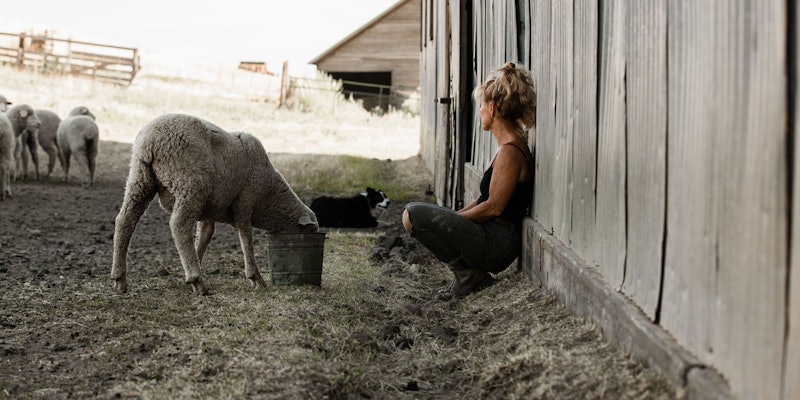
How one Oregon ranch leads the way to traceable, sustainable, responsible wool
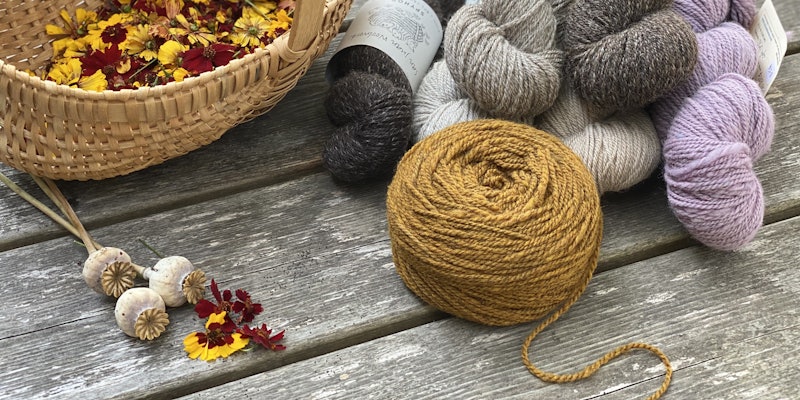
Breaking out of the breed-specific mold, some shepherds crossbreed for the variety of traits they want in a fleece and yarn.
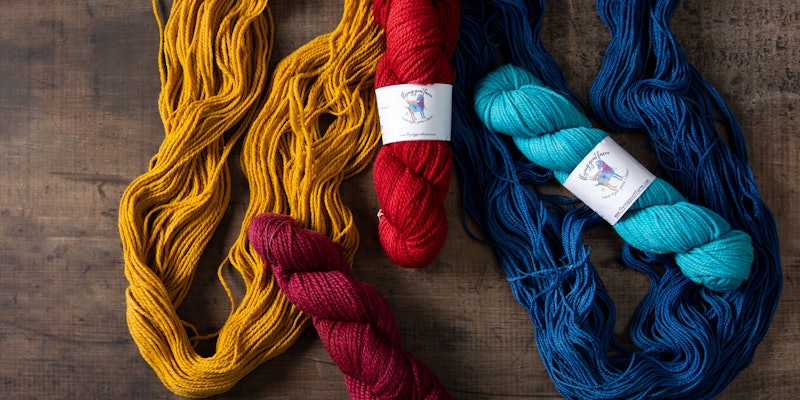
Starting with a flock of sheep and goats, Flying Goat Farm has developed their own lines of farm yarn from their fibershed.
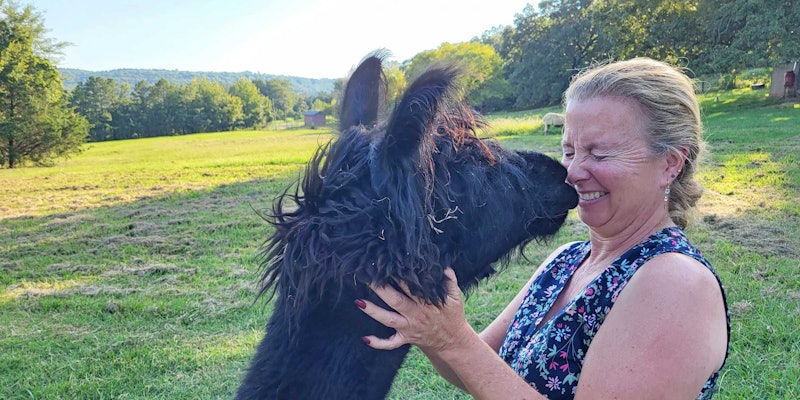
Sourcing yarn, fiber, and handwoven from places such as Puddin Ridge Fibers supports rescue llamas and alpacas, plus community-outreach events (not to mention yarn with remarkable color, drape, and softness).
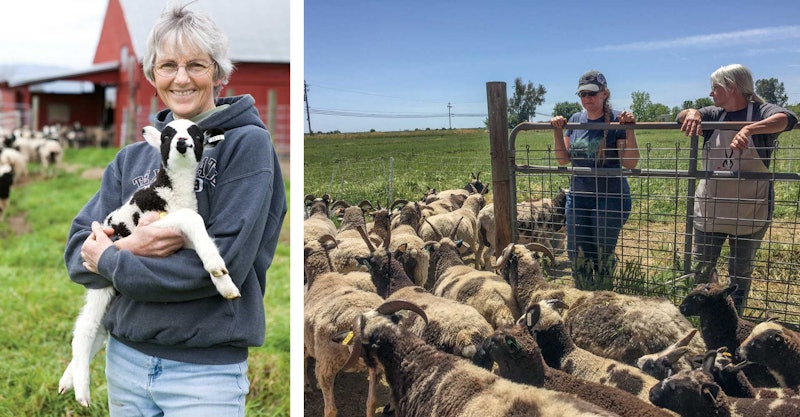
If you want to get up close and personal with a flock of sheep, Meridian Jacobs Farm Club may be just what the shepherd ordered.