
Loading the latest stories…
SUBWool
BFL, Targhee, Dorset, and other breed-specific wool yarns each fill their own special knitwear niche.
Anne Merrow7 min read
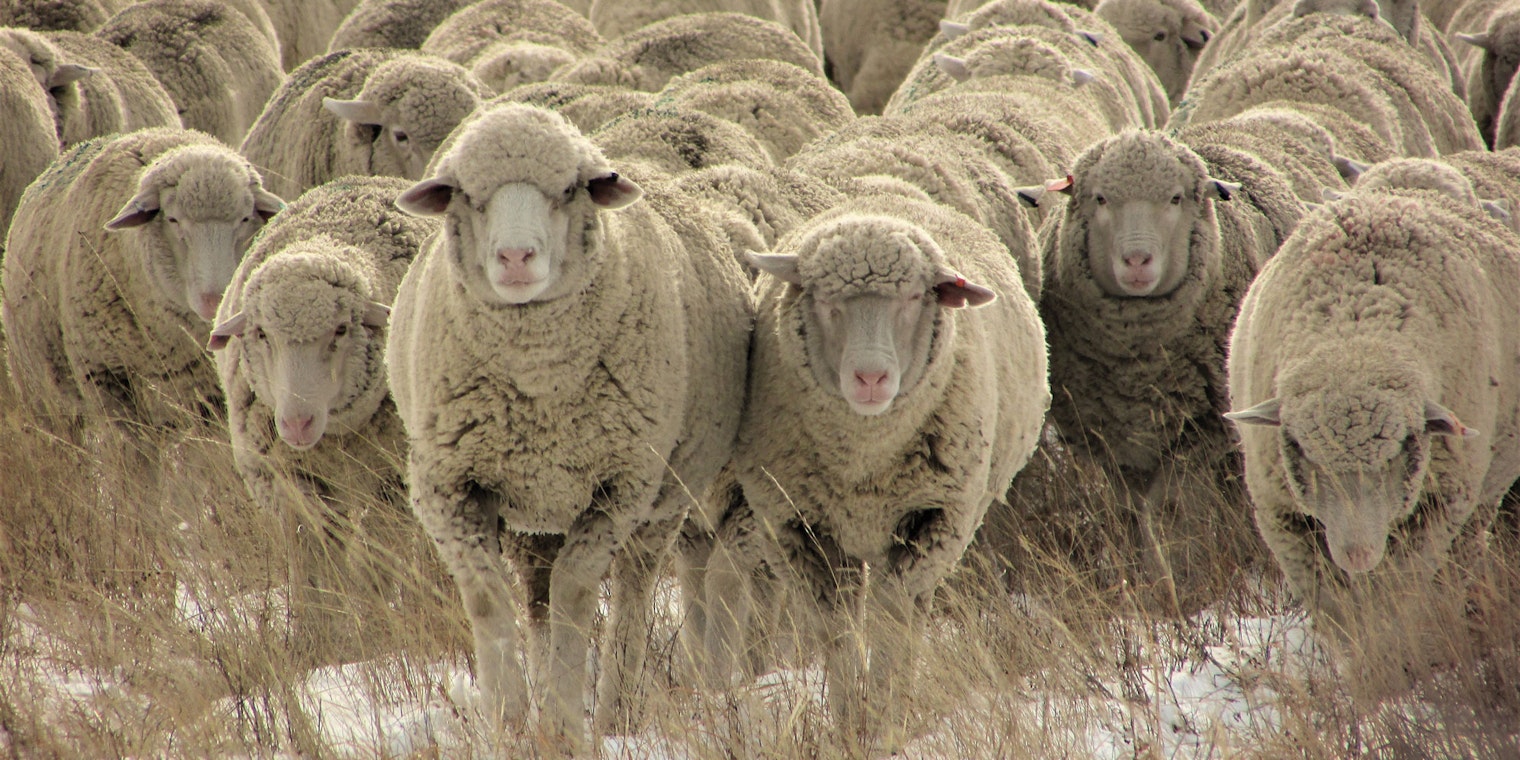
Whether you’re working with indie-dyed gems or big-box yarns, chances are your wool yarn labels say one of two things: wool or, more specifically, Merino. For decades, “wool” or “virgin wool” was all the detail a knitter might expect to find on the ball band. More recently, Merino wool and Merino blends have occupied most of the wooly shelves. But occasionally at first and more often now, you might see less familiar names: Targhee. Corriedale. Rambouillet. Bluefaced Leicester. Romney. Dorset. What do these wools have to offer knitters?
Sheep breeds come about to meet certain needs, and the nature and quality of their wool might not even make the list of priorities. Some were developed with the meat market in mind, to grow fast or produce multiple lambs. Others are selected to thrive in a particular wet or dry terrain or to care for themselves by foraging or lambing easily. Others were developed for longer, stronger wool; a variety of colors; fleece that resists vegetable matter; or easier shearing. And some shepherds and mills even have yarn from East Friesians, the world’s highest-producing dairy sheep!
With all these different wools, a knitter might wonder what to make of the skein in hand. Here are a few wools you might come across and why you might choose one. (Disclaimer: Individual shepherds may prioritize certain traits; weather and diet affect the qualities of fleeces; and trends in wool change the expectations of breeds over time. These are generalizations; your yardage may vary.)
Beyond this list, what do you see? Check out the shepherds, mills, and farmers markets in your Fibershed for regional delights.
If you love the softness of Merino but want to try something a little different, here are a number of wools that you might enjoy. All of these produce springy, bouncy, elastic yarns that your hands will adore.
Cormo combines the softness of Merino with the loft of Corriedale. At its finest, Cormo rivals cashmere for softness, but it is extremely elastic. (Be sure to knit and wash a swatch before casting on for a project, as the yarn may plump up and shrink even before beginning to felt. You may also need some “yarn insurance”: make sure to buy an extra skein or two.)
Try this:
Sincere Sheep Cormo Fingering Gradient
More from Farm & Fiber Knits
From the Library


Comments
No comments yet — be the first to share your thoughts.
Sign in to join the conversation — commenting is for signed-in members.