
Loading the latest stories…
SUBjoining
Discover which yarn-joining method works best for your fiber, project type, and knitting style.
Sandi Rosner5 min read
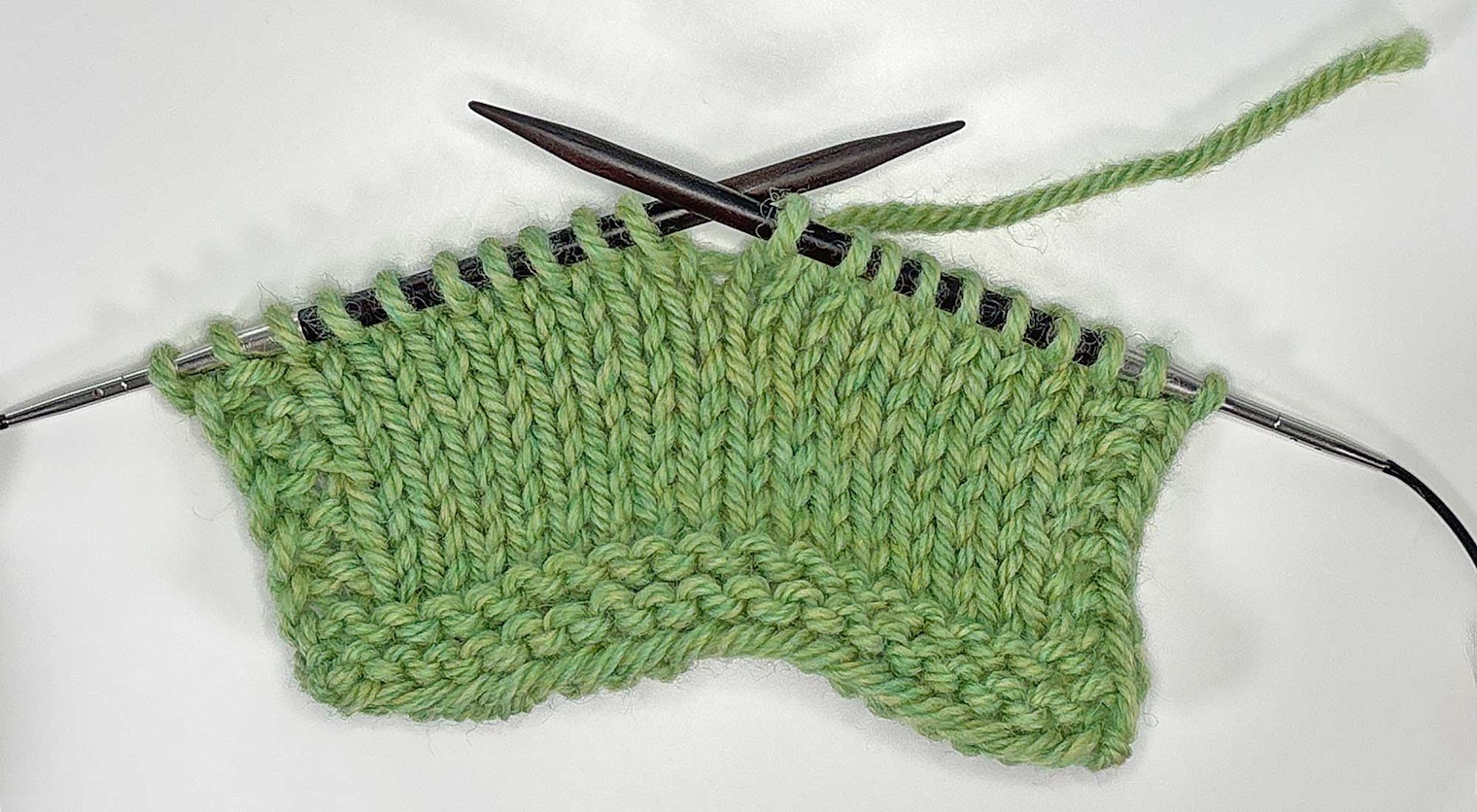
Unless you’re knitting a small project or working from a cone of yarn that holds a thousand yards or more, the time will come when you need to join yarn. How you perform this small task can have a big impact on the amount of time you’ll need to devote to finishing once all the knitting is done.
Let’s look at five common methods for joining yarn and examine the pros and cons of each. All swatches were knit with Purl Soho’s Till, a worsted-weight 4-ply 100% Andean Highland wool. All joins were made in the center of the 11th row of stockinette stitch.
You can simply drop the old yarn and continue knitting with the new yarn, leaving generous tails of both.
Click to view the images in full-screen mode.
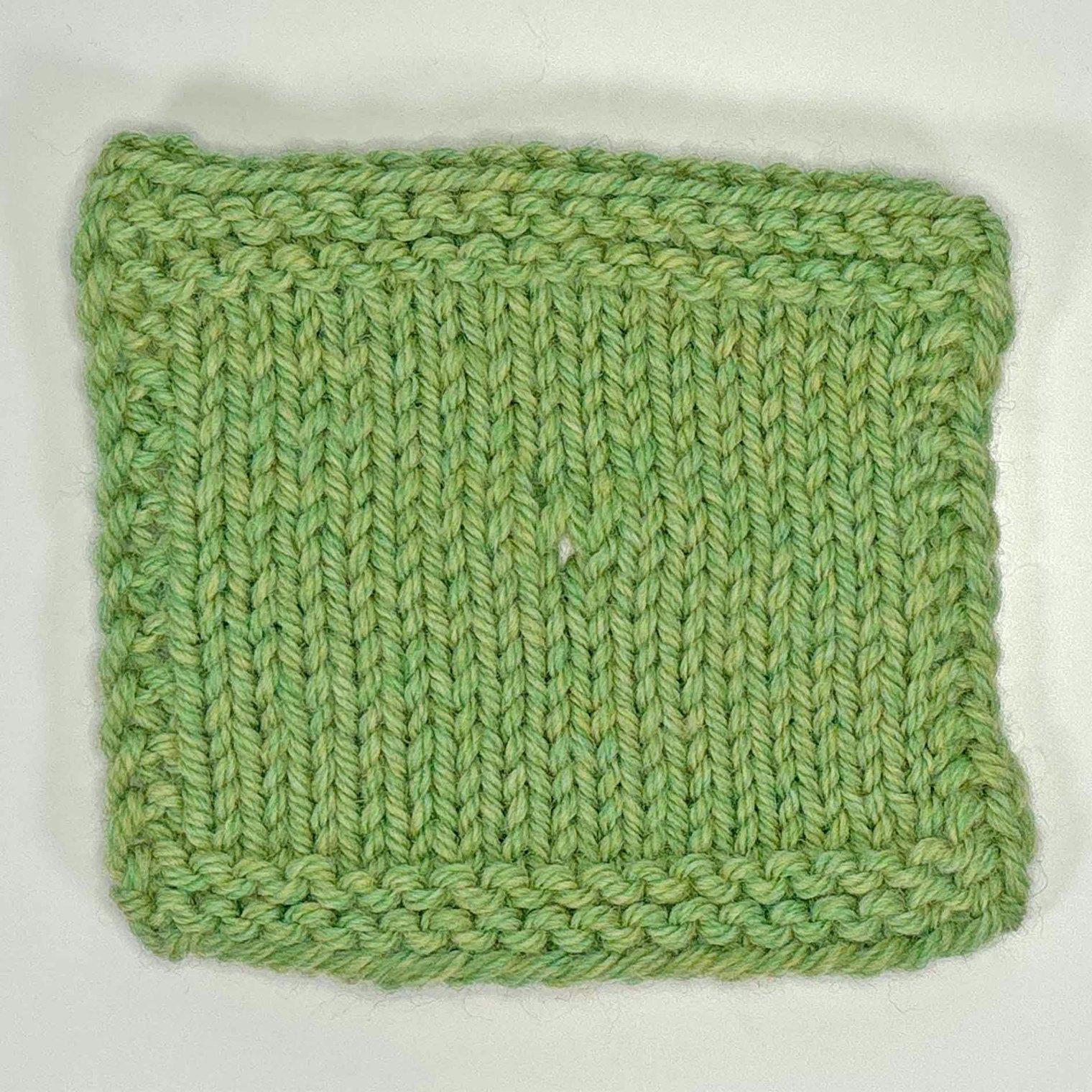
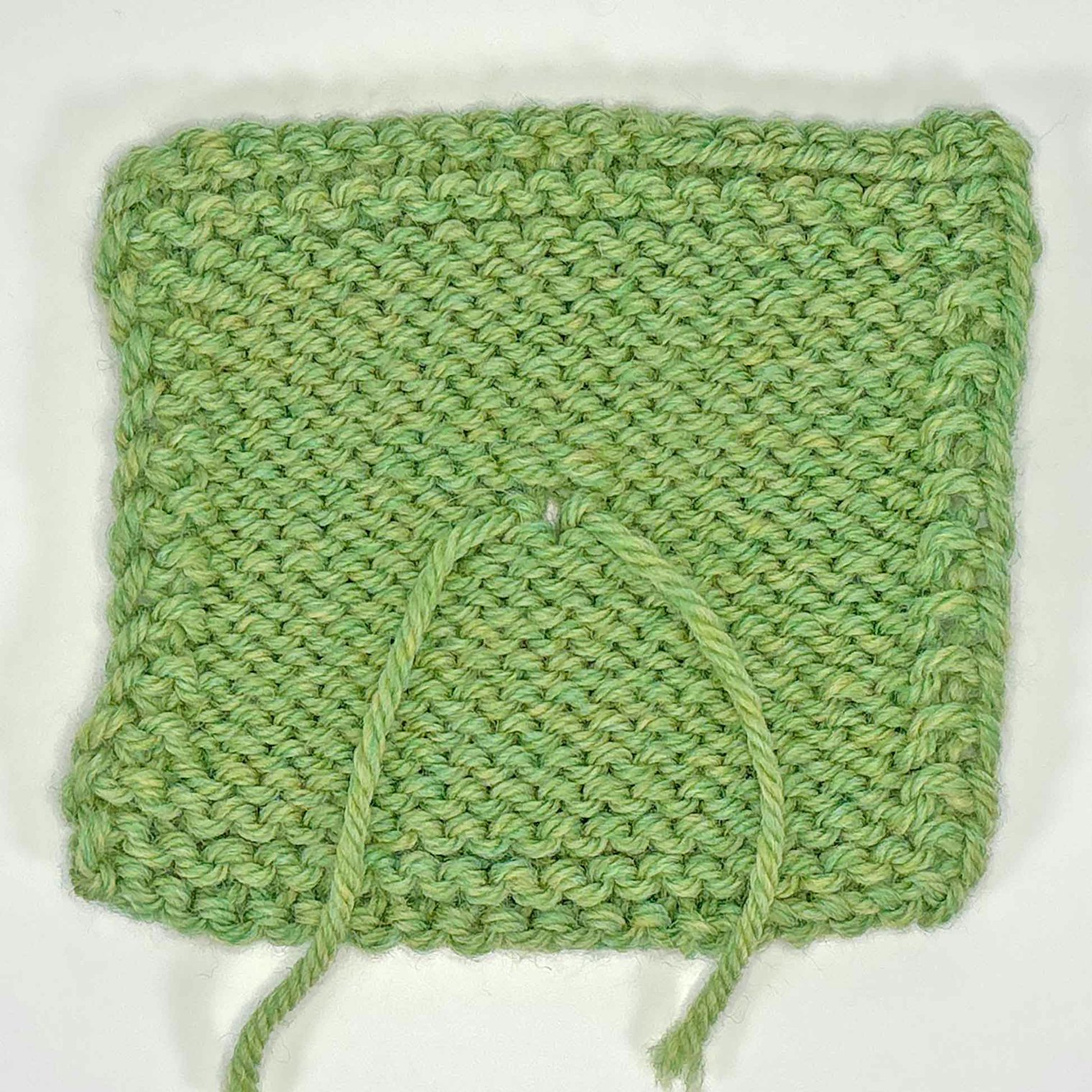
Dropping the old yarn and picking up the new yarn without any intervention leaves a visible hole with loose stitches on either side.
Doing nothing is quick and easy. You barely need to interrupt your knitting rhythm. But doing nothing will leave you with a hole. That hole will have one or more loose stitches on each side. Those loose stitches may be awkward to knit into on the following row. When it comes time to weave in your ends, you’ll need to adjust those loose stitches so the tension matches the surrounding knitting. And
More from Farm & Fiber Knits
From the Library


Comments
No comments yet — be the first to share your thoughts.
Sign in to join the conversation — commenting is for signed-in members.