
Loading the latest stories…
Have you tried knitting with Criollo wool from Mexico or created something with lustrous Lincoln Longwool? Learn why you should and meet the Massachusetts farmers connecting knitters with shepherds around the globe.
Sandi Rosner4 min read
When Amanda and Alberto Barcenas moved their family and flock to the western Massachusetts town of Stockbridge in 2019, they wanted more than to own a local yarn shop and a small sheep farm. They dreamed of creating a cross-cultural community of people bound by a commitment to making ethically produced and sustainable wool yarns. Six years later, Prado de Lana Sheep Farm is doing just that.
 Amanda and Alberto Barcenas with Hazel and Heather, members of the flock at Prado de Lana Sheep Farm.
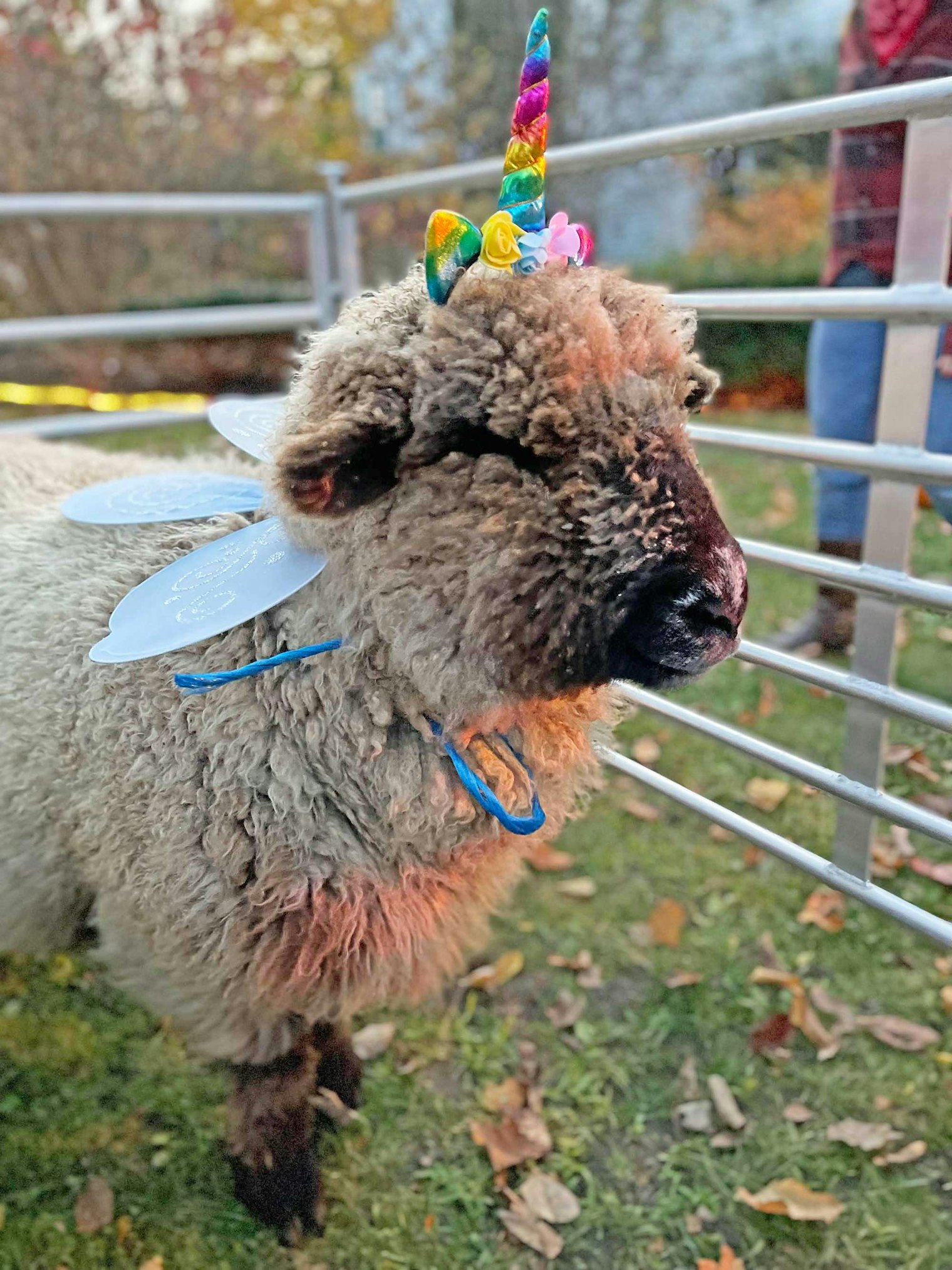
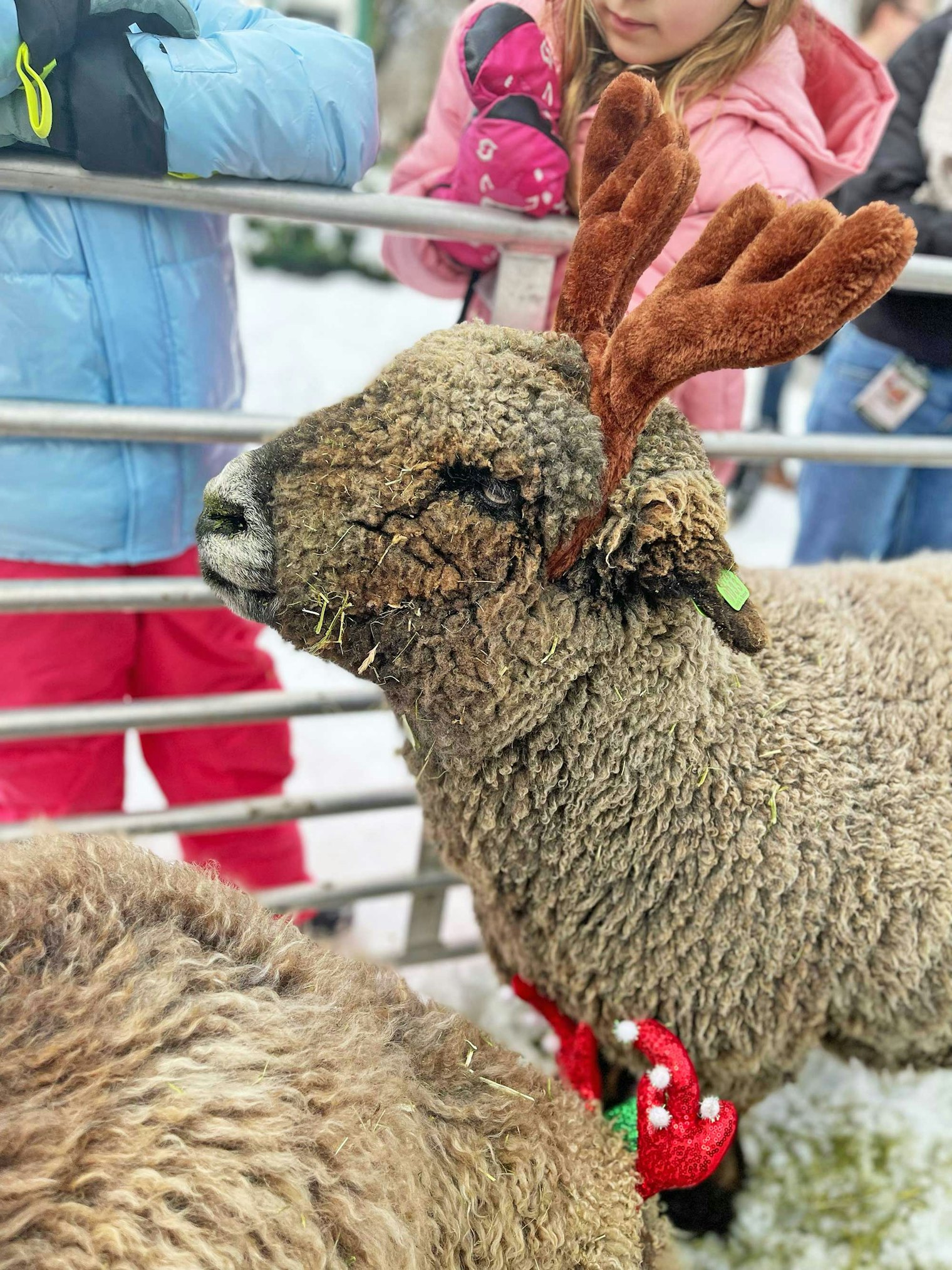
Amanda says, “Because we live in a small town and in a county that is made up of small towns, community is super important. It’s what keeps neighbors from becoming strangers.” Prado de Lana’s flock of 55 Romney, Lincoln Longwool, and Romeldale/CVM sheep are out and about. The flock grazes the fields of Naumkeag, a nineteenth-century house museum just down the road from the farm, and the sheep take part in the town's Halloween parade. A seasonal costume change transforms them into Santa’s reindeer during the Norman Rockwell Christmas weekend celebration. Amanda notes, “We are one of the only working farms in Stockbridge, and I think it’s important that our community still has exposure to agriculture and wool production.”
Click below to learn about Esme and Hazel.
Prado de Lana (“meadow of sheep” in Spanish) spins the fleece from their own flock into breed-specific yarns in a variety of weights. Most showcase the natural colors of the sheep, but Amanda does send some of the yarn for a dip in the dyepots.
Amanda is especially fond of the wool from their Lincoln Longwool sheep. She says, “It is so magical to me. It’s the heaviest of all the longwools, with gorgeous curls. Because of its weightiness, it has amazing drape. The luster on the wool almost bounces the light. It has its own natural halo, and the stitch definition is impeccable.”
 Prado de Lana Lincoln Longwool makes gorgeous knitted lace.
The couple also sources fleece from other small farms in New England and turn it into yarn for their Ovejas line. This supports the local sheep-farming community by providing a market for those farmers who may not have the time or expertise to produce handknitting yarn and bring it to market.
Alberto is originally from Veracruz, Mexico, and most of his family still lives in that country. Amanda and Alberto visit Mexico regularly and have established relationships with sheep farmers, weavers, and natural dyers in Oaxaca. These relationships have enabled them to offer beautiful handwoven blankets and tote bags, along with yarn spun from the wool of Criollo sheep, all produced in Mexico.
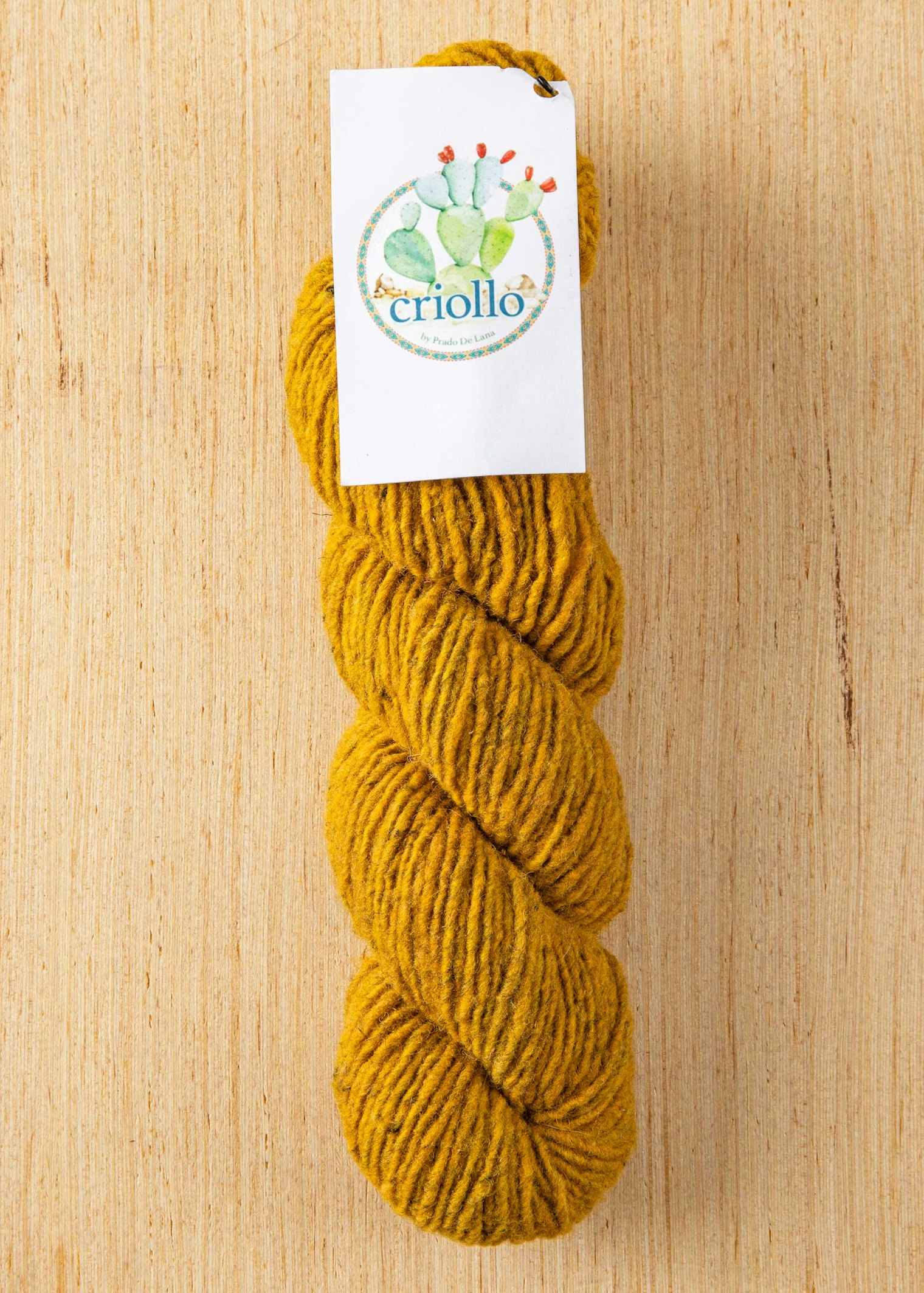
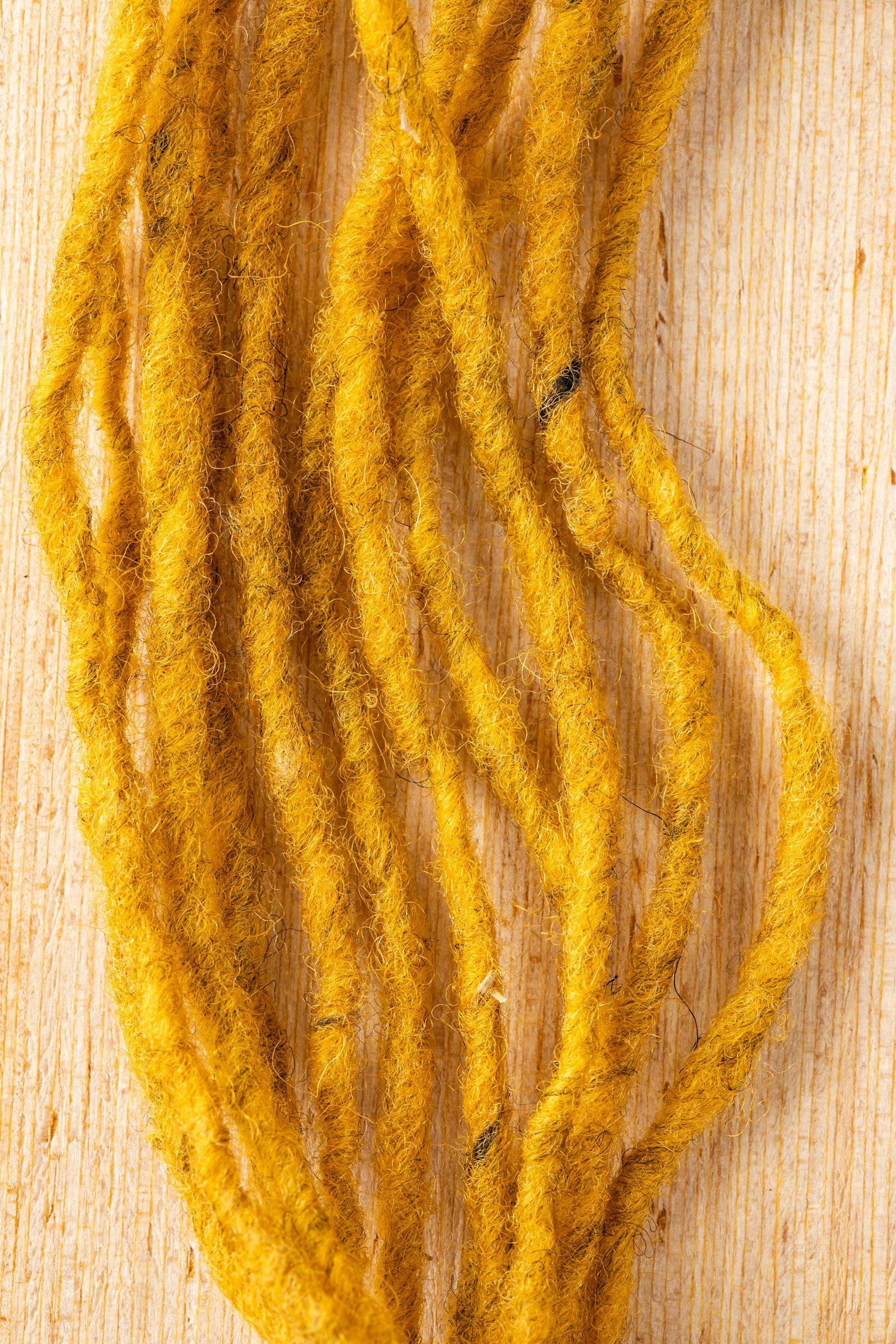
Little known to US knitters, Criollo is the native sheep breed of Mexico, Central America, and South America. The Criollo is a known as a breed with deep ties to the Spanish Churra sheep introduced during the Spanish colonization period. Amanda shares that the breed actually connects to not only the Churra, but to five other breeds introduced by the Spanish as well: Latxa, Spanish Churra, Manchega, Spanish Merino, Aragonesa, and Castellana. While mainly bred for the production of meat, their fleece is classified as a medium wool, comes in multiple colors, and is widely used by weavers in Mexico. According to Amanda, “It’s bouncy, has a nice handle, and is suitable for all types of projects.”
Prado de Lana offers woolen-spun Criollo yarn in fingering, DK, aran, and bulky weights. The yarn is light, lofty, and just “sticky” enough to be perfect for stranded colorwork. Amanda says, “The story behind it is so special to me. A yarn that is (made) in collaboration with farmers and mills in Mexico, it supports those businesses and continues to forge new friendships.”
 A rainbow of DK-weight Criollo wool.
In addition to Mexico, Prado de Lana imports yarn from WoolDreamers in Spain and Garthenor Organic in Wales. How does Amanda choose which yarns to offer? “I’m interested in all-wool yarns or wool blends that are coming from small producers. I’m wanting yarns to be traceable, as well as ethically and sustainably sourced and made. Being shepherds ourselves, we are always wanting to support the shepherd/farmer first.”
Prado de Lana’s retail store is located in their home and is open by appointment only. They are working toward building a new Prado de Lana Wool and Farm Store on their property. Amanda envisions the new shop as a place of community, with classes and workshops and retreats, a place for fiber folks to hang out while gazing at the sheep in the pasture.
She also wants to start hosting fiber retreats in Mexico. “Each region of Mexico has its own textile industry,” Amanda says, “and I just want to share that with people.”
 Amanda with Teddy, one of their four livestock guardian dogs.
For now, Amanda and Alberto, with the aid of their beloved Great Pyrenees livestock guardian dogs, are continuing to strengthen their ties to both their local community and to the global community of small wool producers.
Follow Amanda’s frequent updates on life at the farm on Instagram @pradodelana. And if you’re in the Stockbridge area, make an appointment to shop in person.
Find Prado de Lana’s full assortment of yarn and wool products at pradodelana.com and use coupon code farmandfiber for a 10% discount exclusively for Farm & Fiber Knits readers. (Offer expires September 20, 2025).
Interested in exploring different types of yarn and where they come from?
More from Farm & Fiber Knits
 Jill Draper Makes Stuff: Breed-Specific Yarn in the Hudson River ValleyFrom sheep to skein, see how Jill Draper’s commitment to traceable, American-grown wool gives knitters yarns with better structure, richer character, and a deeper connection to place.Sandi Rosner · December 22, 2025
 A Hopeful Hue, Local Wool, and a YarnpreneurKnudsen Knits creates breed-specific yarns, and Kate's new skeins will carry her into 2026.Kate Larson · December 12, 2025
 More Than Just Merino: Explore 60+ British Wool BreedsLearn how UK yarn company Baa Ram Ewe uses the unique qualities of rare breeds to create beautiful yarns with character.Carol J. Sulcoski · October 2, 2025
 Isabella Rossellini: Becoming Mama FarmerFrom award-winning actor to tending livestock on a small farm in New York. Carol J. Sulcoski · June 12, 2024
 Bringing Heritage-Breed Wool to Knitters’ HandsThe search for local wool transformed one knitter into a breed-specific yarn company.Sandi Rosner · June 12, 2024
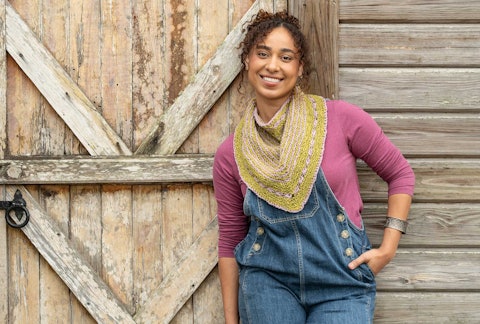 Behind the Design: How the Fae Garland Cowlette Came to LifeLooking for your next quick, wearable knit? Designer Safiyyah Talley has great tips to make this summer project your own.Farm & Fiber Knits Editors · July 13, 2026
 Knitting with Wild Silk: Cast On With MeTraveling from forests in Madagascar to dyepots in Rwanda to store shelves in Texas, handspun borocera silk yarn has an incredible story. How does it knit up? Kate Larson · July 9, 2026
 Project Knitwell: More Than a Knitting LessonSharing knitting one hospital waiting room at a time, this Project Knitwell volunteer offers more than a new skill, creating moments of connection, comfort, and so much more.Christine McGovern · July 6, 2026
 Rooted in Place: Designing the Field Lines Shawl with Small-Farm YarnDiscover the farm yarns and rural landscapes behind the Field Lines Shawl—then cast on your own version.Shaina Scott · July 1, 2026
 Tutorial: Easy Icelandic Bind-Off for a Stretchy EdgeWhen a standard bind-off edge just isn’t stretchy or substantial enough, try this must-know technique!Kate Larson · July 1, 2026
From the Library
Comments
No comments yet — be the first to share your thoughts.
Sign in to join the conversation — commenting is for signed-in members.