
Loading the latest stories…
SUBknitting
When the Banning family relocated from New York City to rural Dutchess County, they began raising a rare breed of black sheep. You'll want to see these beautiful fleeces!
Sharyn Flanagan4 min read
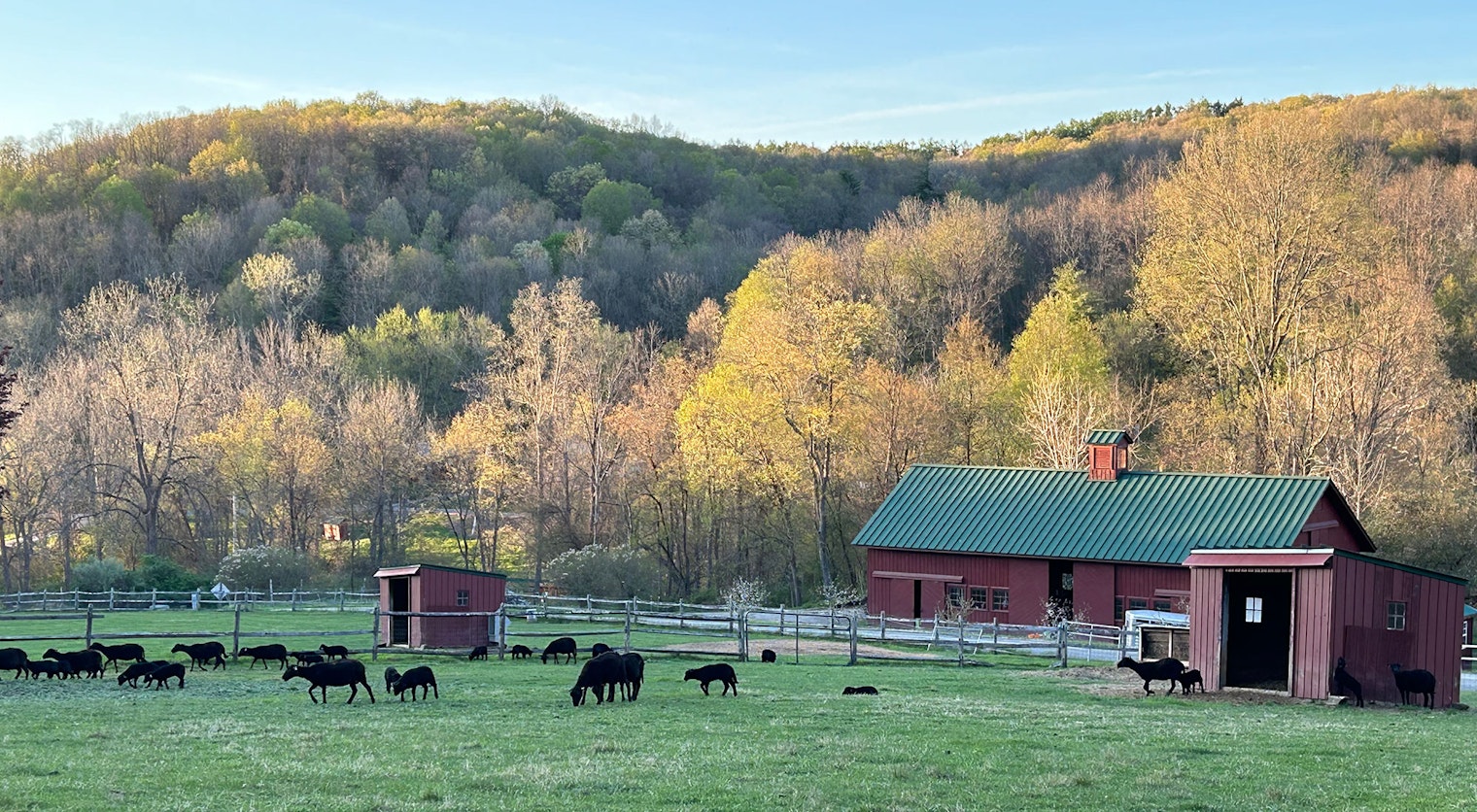
When Irene and Jack Banning established Black Sheep Hill Farm in 2008, they had no prior experience as farmers. The couple left Manhattan in the aftermath of 9/11, an event that brought an influx of similarly new and now-permanent residents up to the mid-Hudson Valley region of New York State. Jack had worked as an art dealer in the city, and Irene was employed in a number of fields, from health advocate to paralegal to crafts importer.
But after buying 100 acres of land in Dutchess County, the Bannings decided to start a farm. As it would have been a challenge to grow vegetables on their hilly property, they settled on livestock.
Get a closer look! Click on any of the images below to view it in full-screen mode.
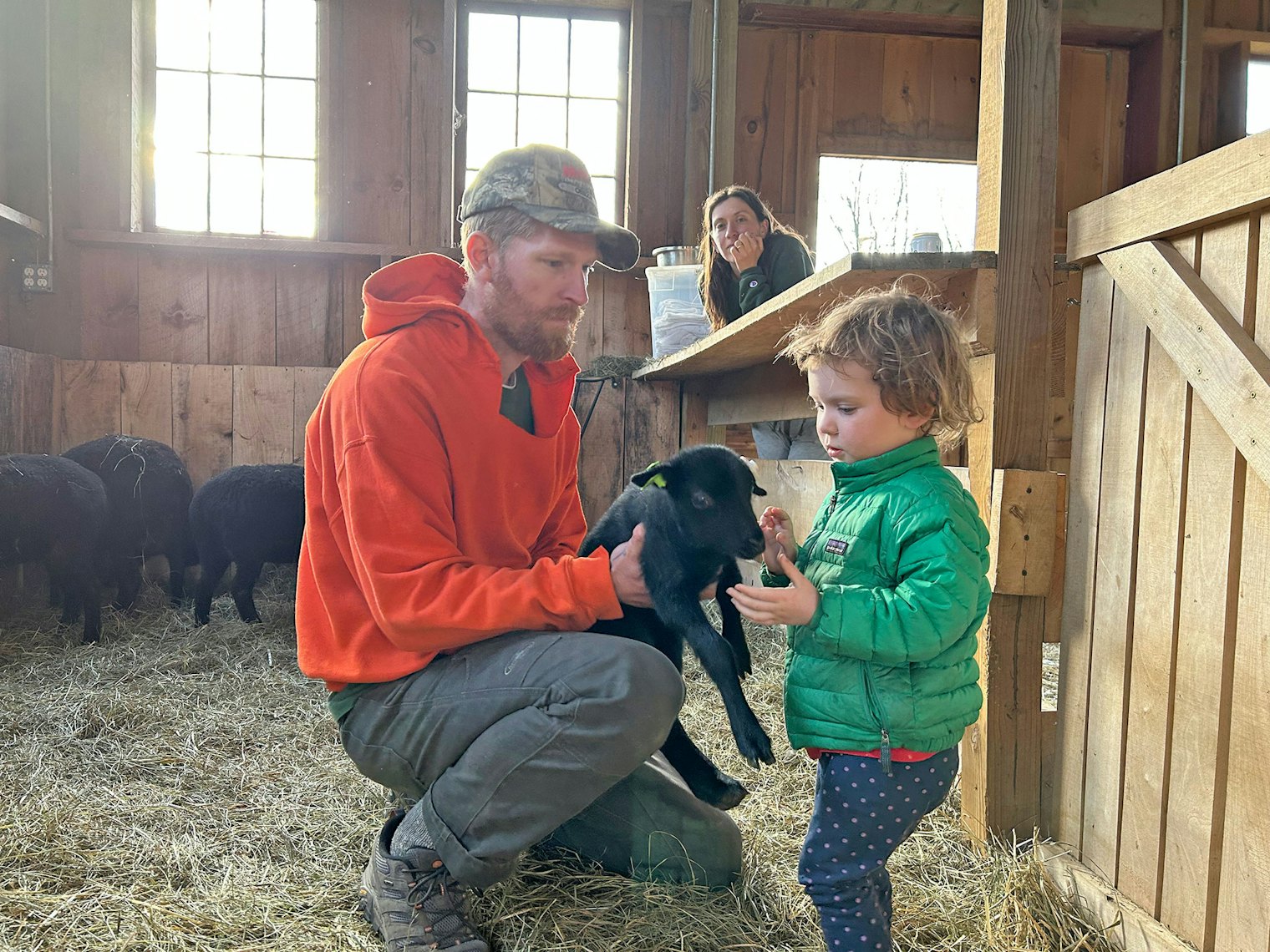
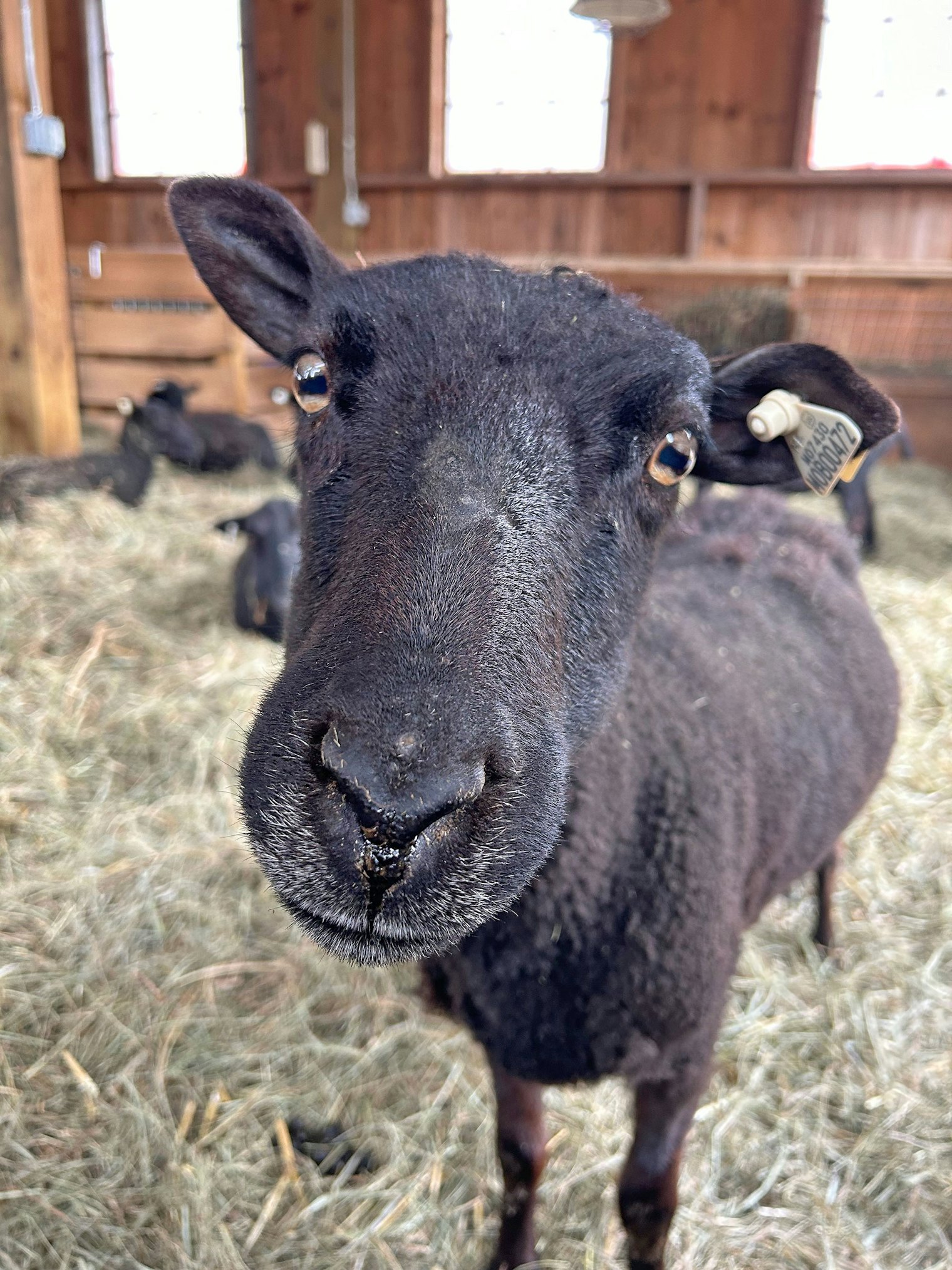
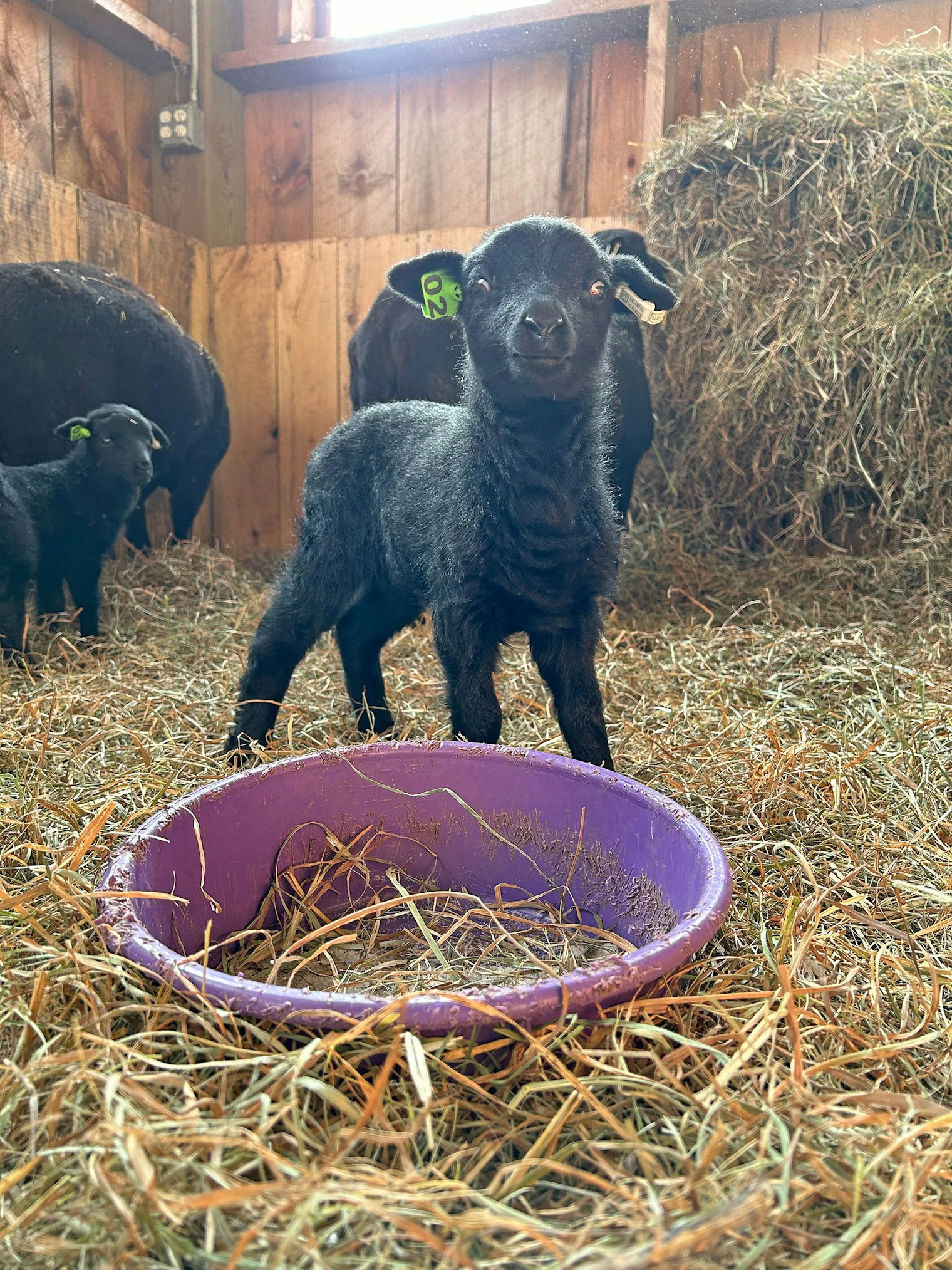
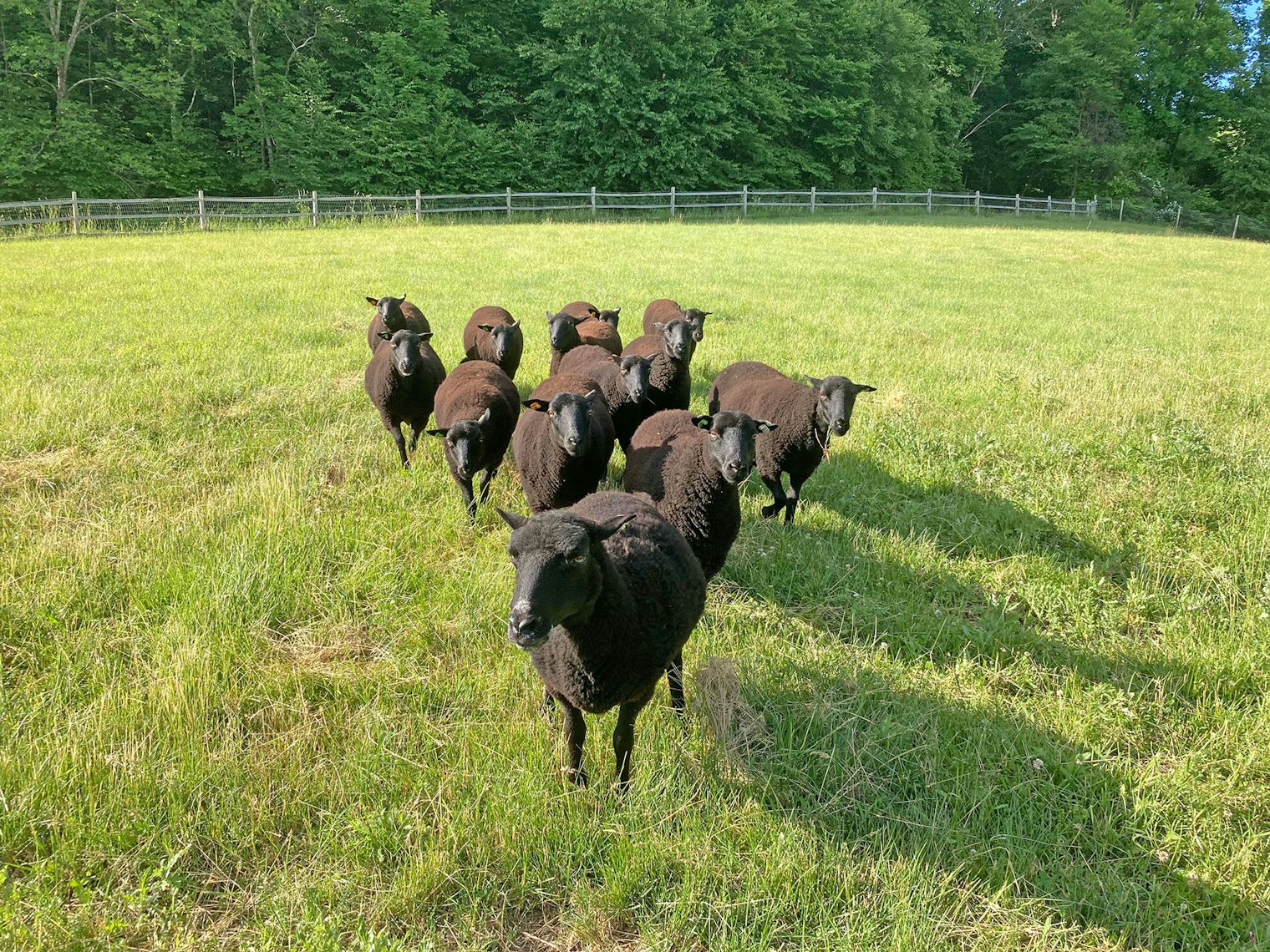
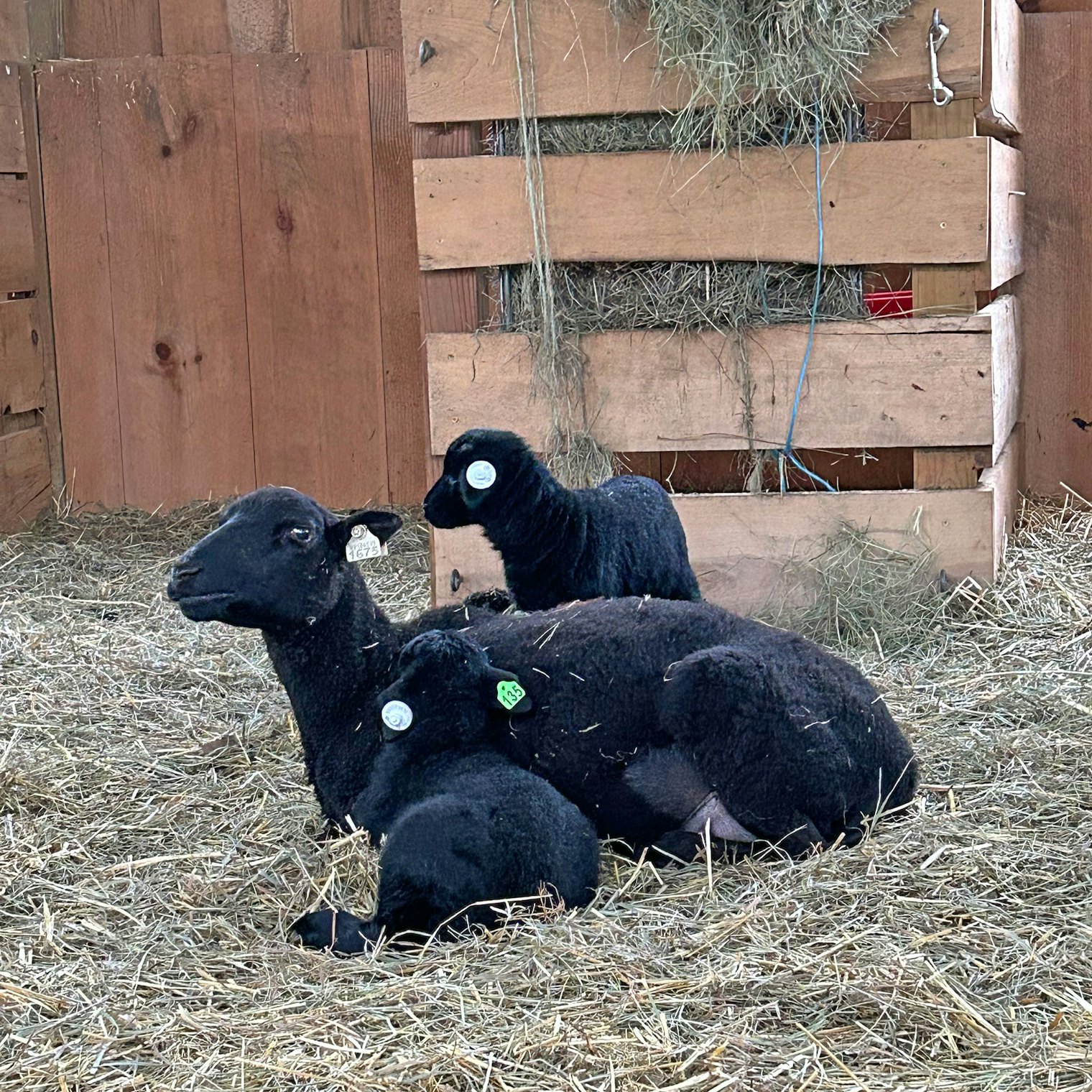
Their venture began with just eight Black Welsh Mountain ewes and two rams. The Bannings chose the breed for many reasons, with practicality foremost. “They were advertised as being a good breed for beginners,” says Irene. “And it’s a reputation they have seriously lived up to. They’re self-sufficient, hardy, and good mothers. We liked their color, and in our ‘dilettantish’ way of taking on farming, we thought we’d contribute to the greater good by focusing on a heritage breed and doing our part for breed diversity.”
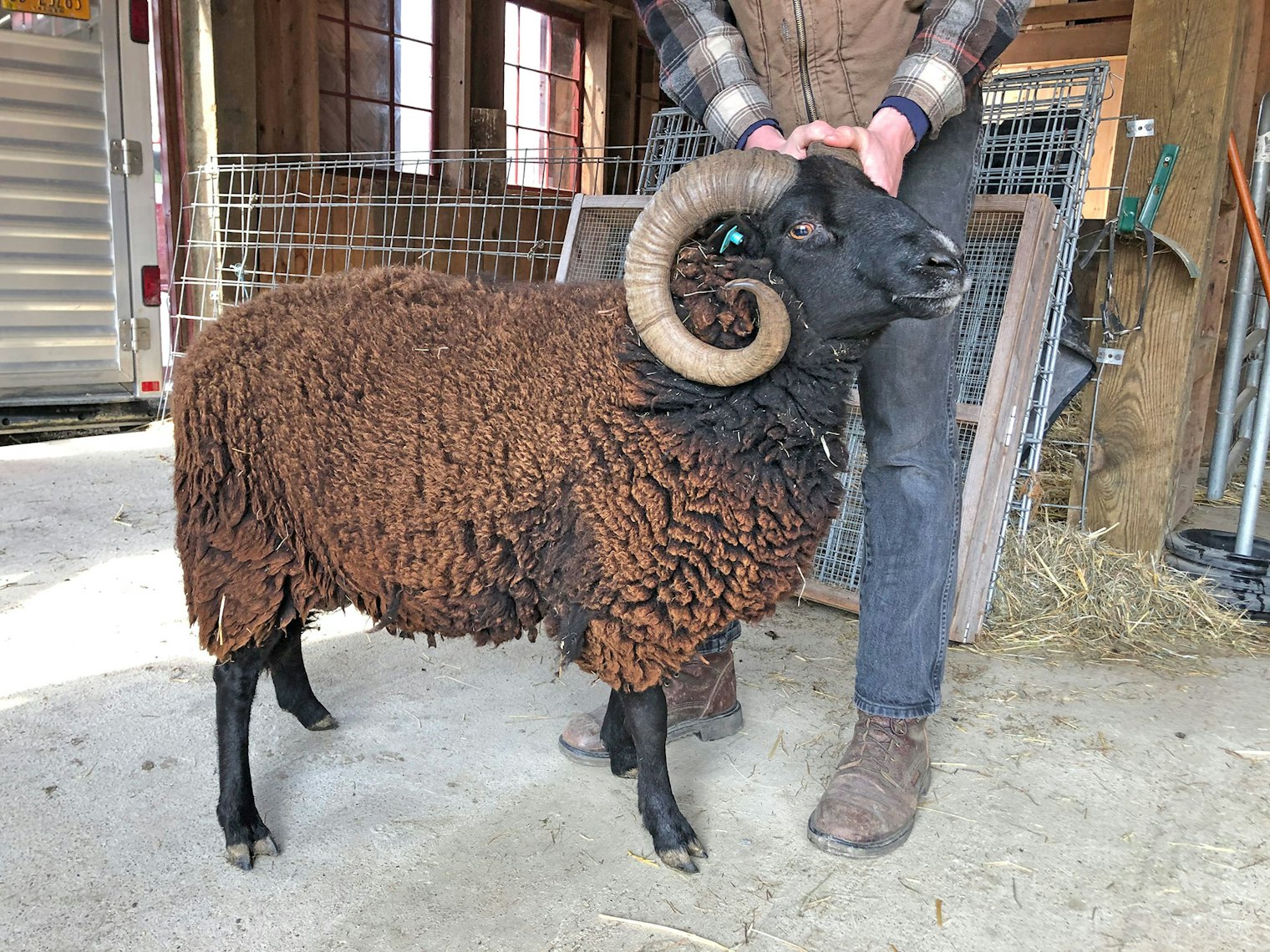
The Black Welsh Mountain sheep date back to the Middle Ages. Selectively bred in the mountains of Wales from black sheep that occurred within flocks of the white Welsh Mountain sheep, they became an official breed in 1922 with the establishment of Britain's Black Welsh Mountain Sheep Society. Rare enough to be currently classified as “threatened” by The Livestock Conservancy, the Black Welsh Mountain was first introduced to North America in 1972, with a U.S. breed registry adopted in 1990. The sheep are small-to-medium sized, weigh approximately 100–140 pounds, and the males have handsome horns that curl around the ears.
Get a closer look! Click on any of the images below to view it in full-screen mode.
More from Farm & Fiber Knits
From the Library




Comments
No comments yet — be the first to share your thoughts.
Sign in to join the conversation — commenting is for signed-in members.