
Loading the latest stories…
SUBKnitting
The author of Slow Knitting on opting out of shrinkproof yarn and falling in love with the variety of natural wools
Hannah Thiessen Howard6 min read
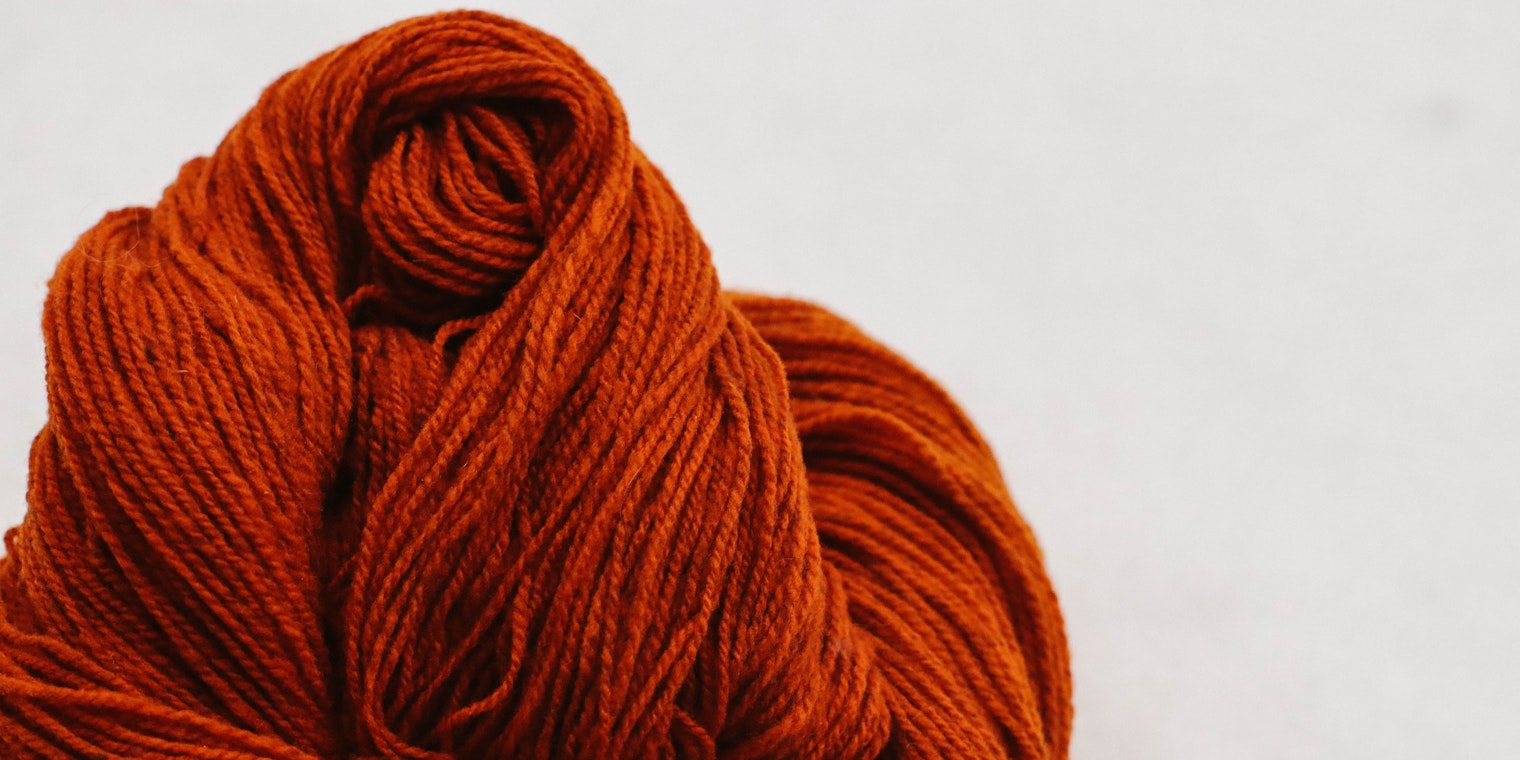
When I started knitting, I didn’t even come across superwash yarn. My early stash as an eight-year-old knitter was a mix of what I had been given by my sheep-farmer teacher: sensible practice wool in shades of salmon-colored Kool-Aid, a ball of deep purple chenille I had fished out of the bottom of one of her bins, and two skeins of Noro Kureyon in bright colors.
Like most kids of the 1980s, my life was full of color. Plastic products brought a whole new world of color into children’s toys, television, and clothing. Intense color of any variety feels familiar and nostalgic: a candy-coated space that resides in my memory. There’s a certain sentimental appeal to over-the-top, unreserved color application.
In 2006, I rediscovered my love of knitting through online forums and library books. When my parents visited me in college, I’d beg them to take me to a local yarn shop, where I could peruse shelves stocked with multicolored real wools. Aside from my early knitting education, and throughout college, the only yarns I had access to had been acrylics from the big-box store, where I sought out colorful yarns that captured my imagination. In natural wools, I did the same, discovering brands driven by this same love of painterly, intense, and arresting color. Naturally, this led me to superwash wool, an increasingly popular material on which fiber dyers could display their creativity.
More from Farm & Fiber Knits
From the Library




Comments
No comments yet — be the first to share your thoughts.
Sign in to join the conversation — commenting is for signed-in members.