
Loading the latest stories…
Take a look at the beautiful colors a dye garden can produce in your yarns. Plus, subscribers can download a plant guide and growing zone chart to help you plan a spring dye garden of your own!
Tiffany Warble2 min read
I hadn’t thought much about natural dyeing because I’ve always bought already-dyed yarn from a yarn shop. That is until I watched farmers Tammy White and Carole Foster talk about dyeing their yarns in Episode 4 of The Yarn Chronicles.
In this episode, Tammy describes her dye garden of marigolds, Hopi sunflowers, weld, indigo, and more, which she uses to dye skeins of yarn at Wing & A Prayer Farm. Carole and her family grow dye plants such as indigo, madder, and coreopsis for Foster Sheep Farm’s home-grown yarns. Knitwear designer Norah Gaughan talks about falling in love with the yarn for her Wee Cardi pattern. This colorway gets its green hue from indigo, marigold, and onion at Wing & A Prayer.
 The yarn for the Wee Cardi pattern by Norah Gaughan was dyed (by Tammy White) using indigo, marigold, and onion skins. Photo by Gale Zucker
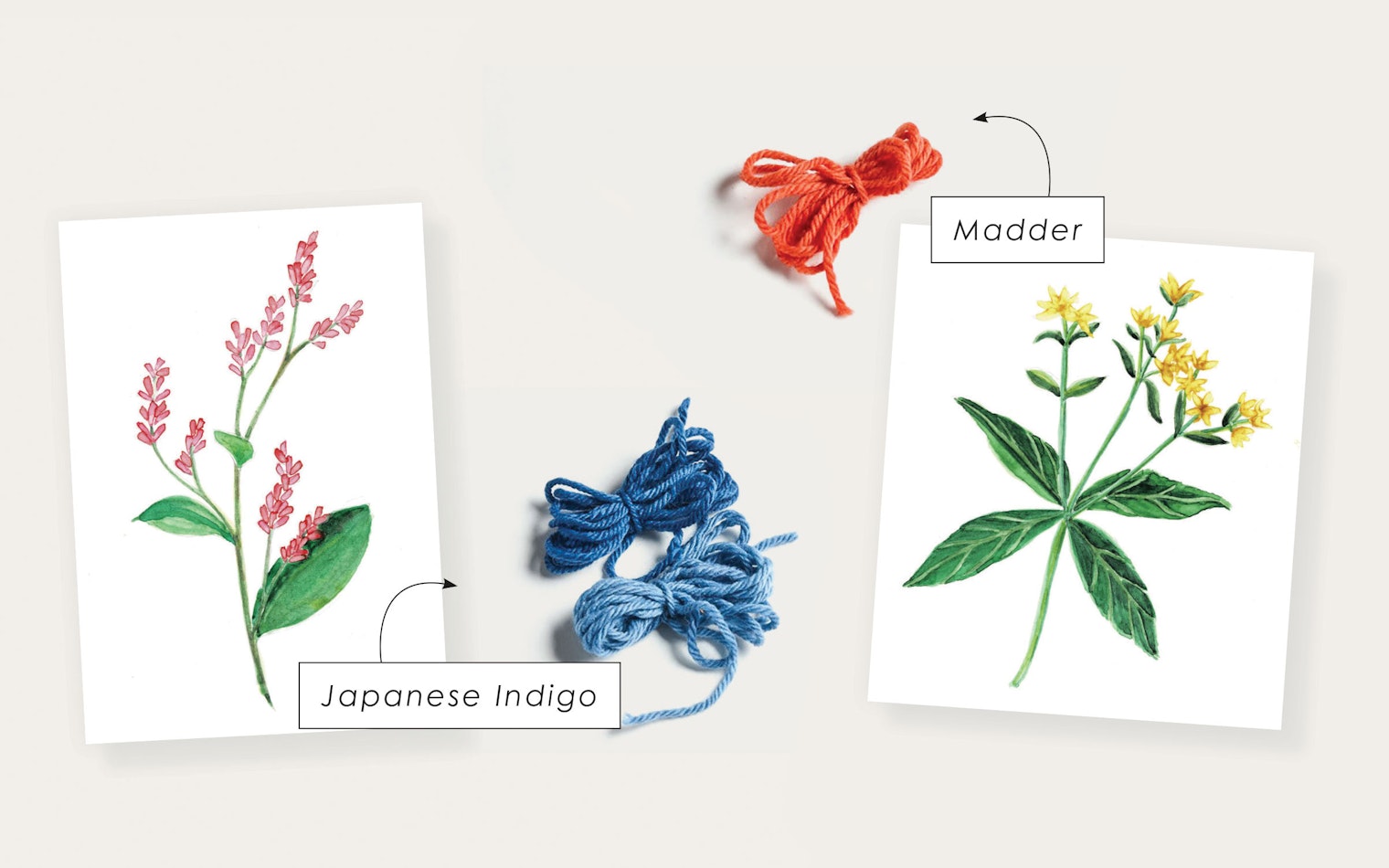
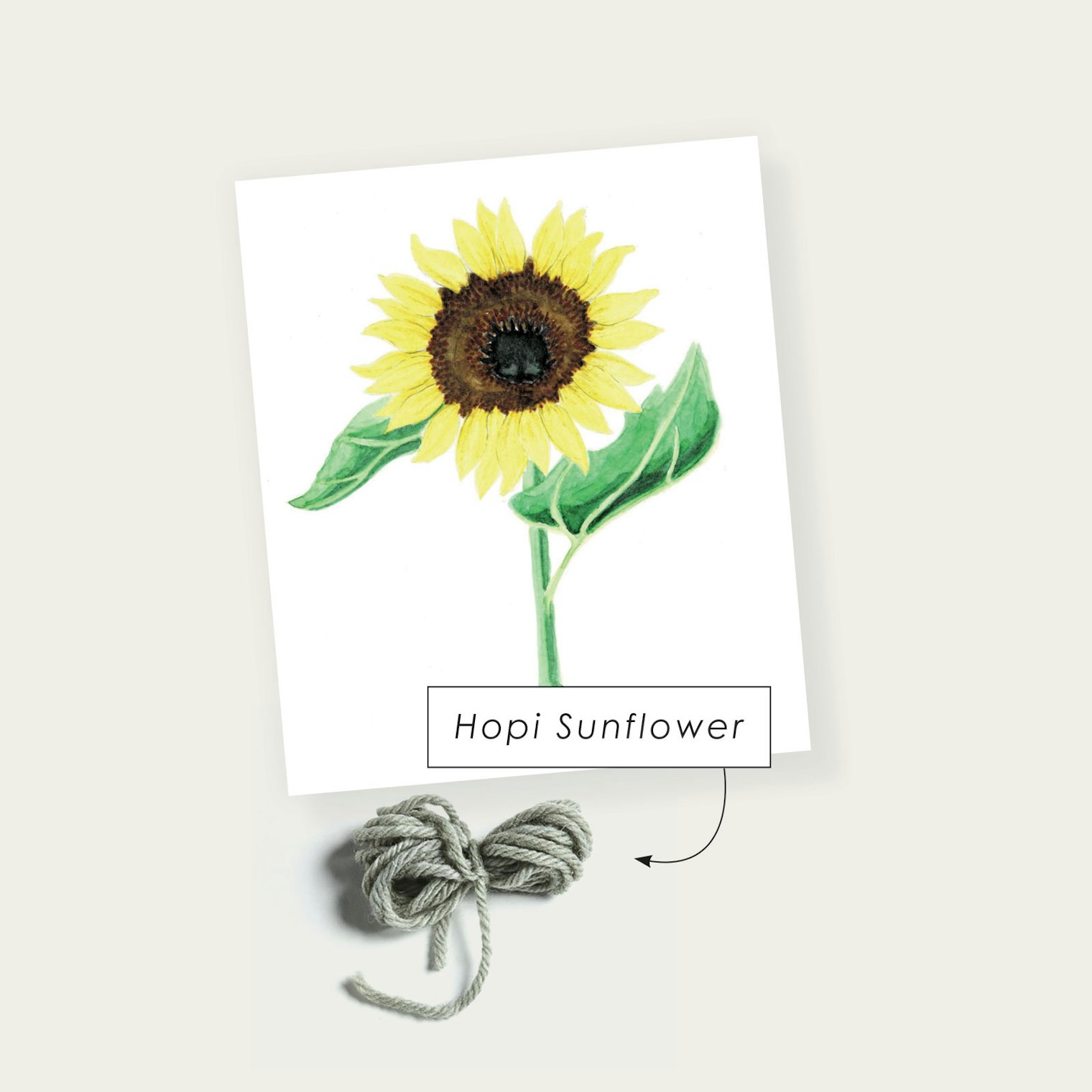
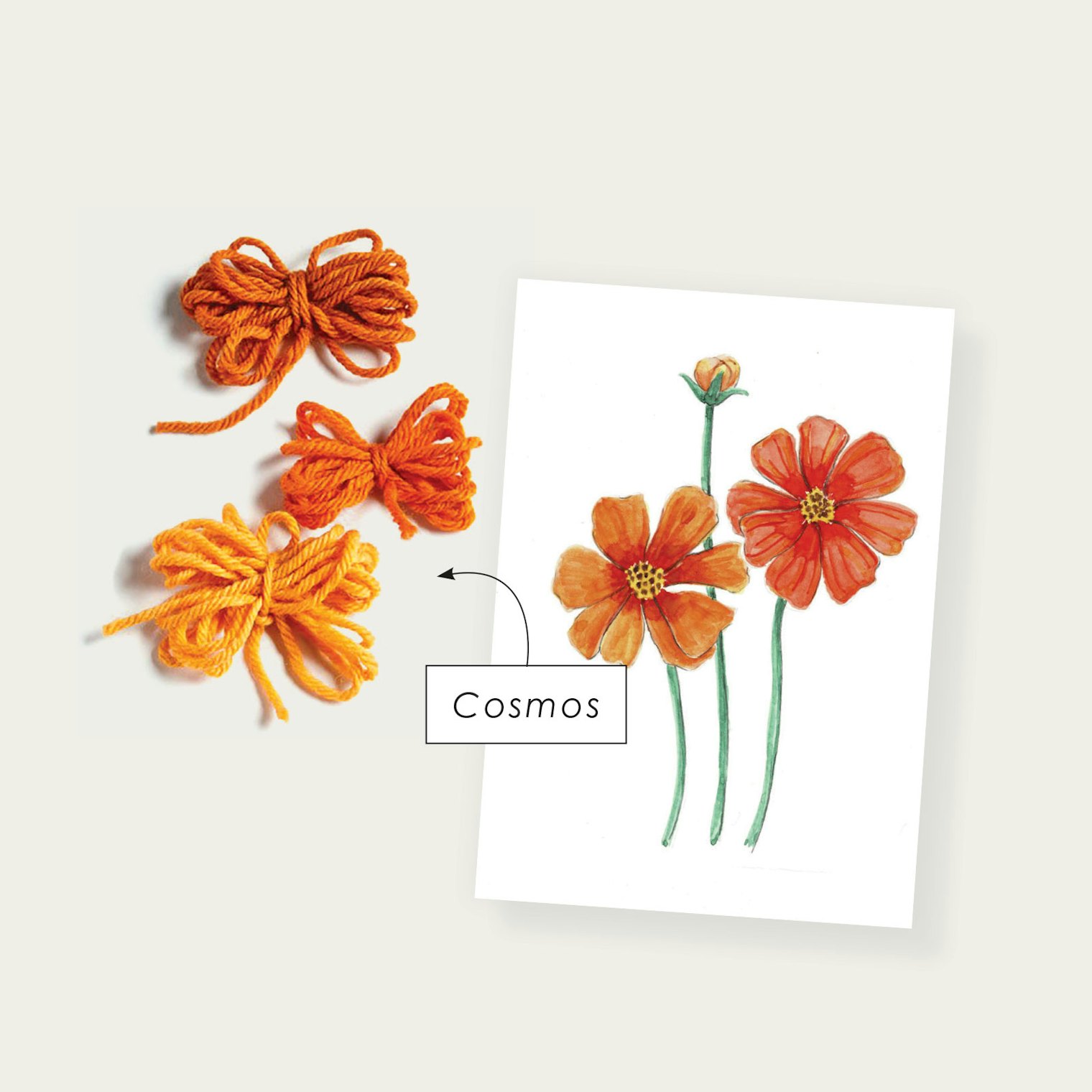
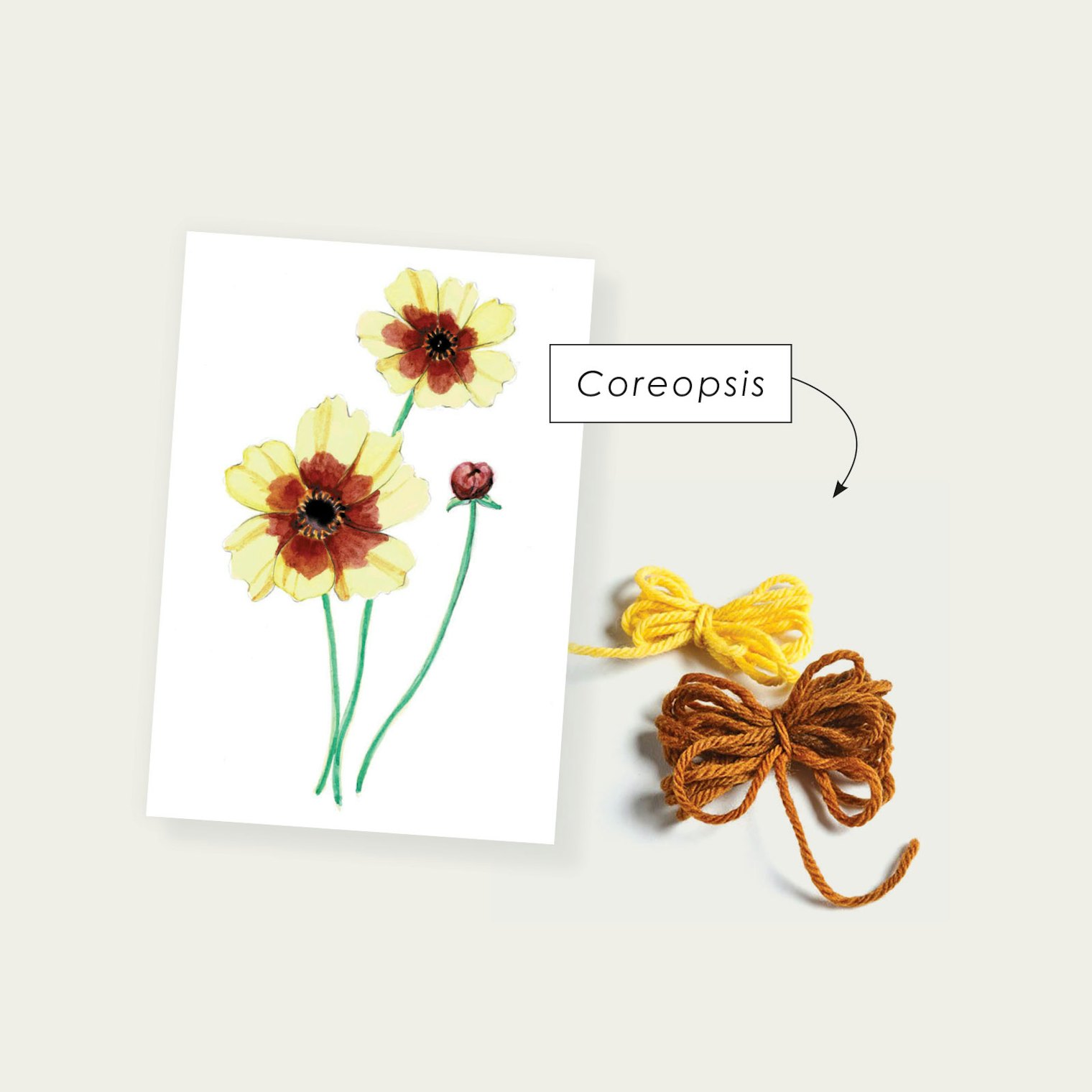
Though Carole and Tammy show several examples of naturally dyed yarns in the episode, I wondered what colors those plants would create on their own. That curiosity led me to Long Thread Media’s book Nature’s Colorways. Donna Brown and the Janice Ford Memorial Dye Garden gave samples and information used in the book to create a gallery of yarn samples with their dye plants, which includes several of the plants mentioned in Episode 4.
The color results are sometimes exactly what you’d think and other times totally unexpected. For example, indigo plants dye in gorgeous blues, but using Hopi sunflowers on a white yarn creates a beautiful silver color! The orange-flowered marigold gives a yellow dye, but the bright yellow of cota yields a bright orange. As Carole mentions in the video, the color of the base fiber impacts the dye colors (a gray base will dye differently than a white or cream), but how cool are these plants? I love how you can use plants, bark, lichens, kitchen scraps, and more and combine several items to produce astounding colors.
Get a closer look! Click any image in the gallery to open it in full-screen mode.
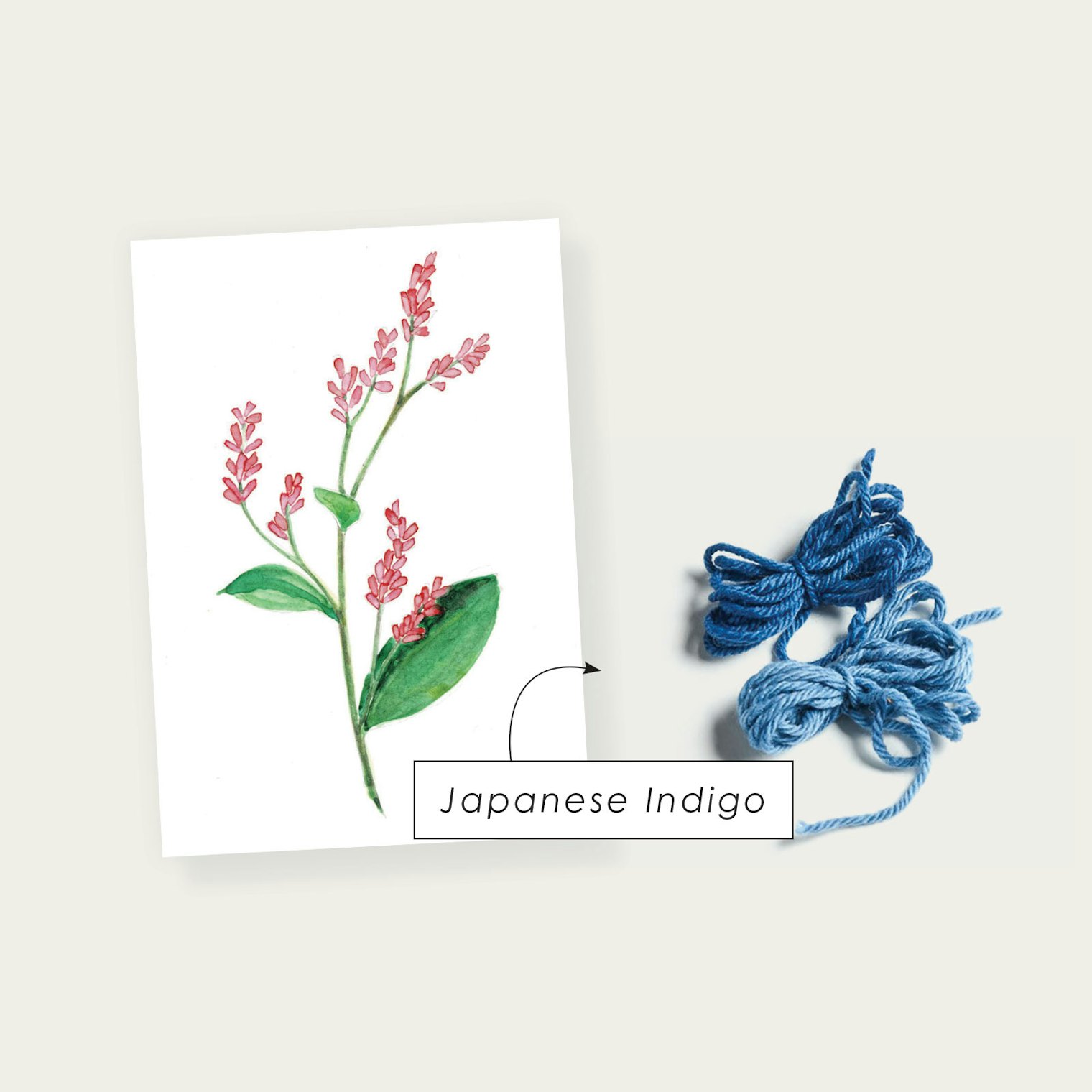
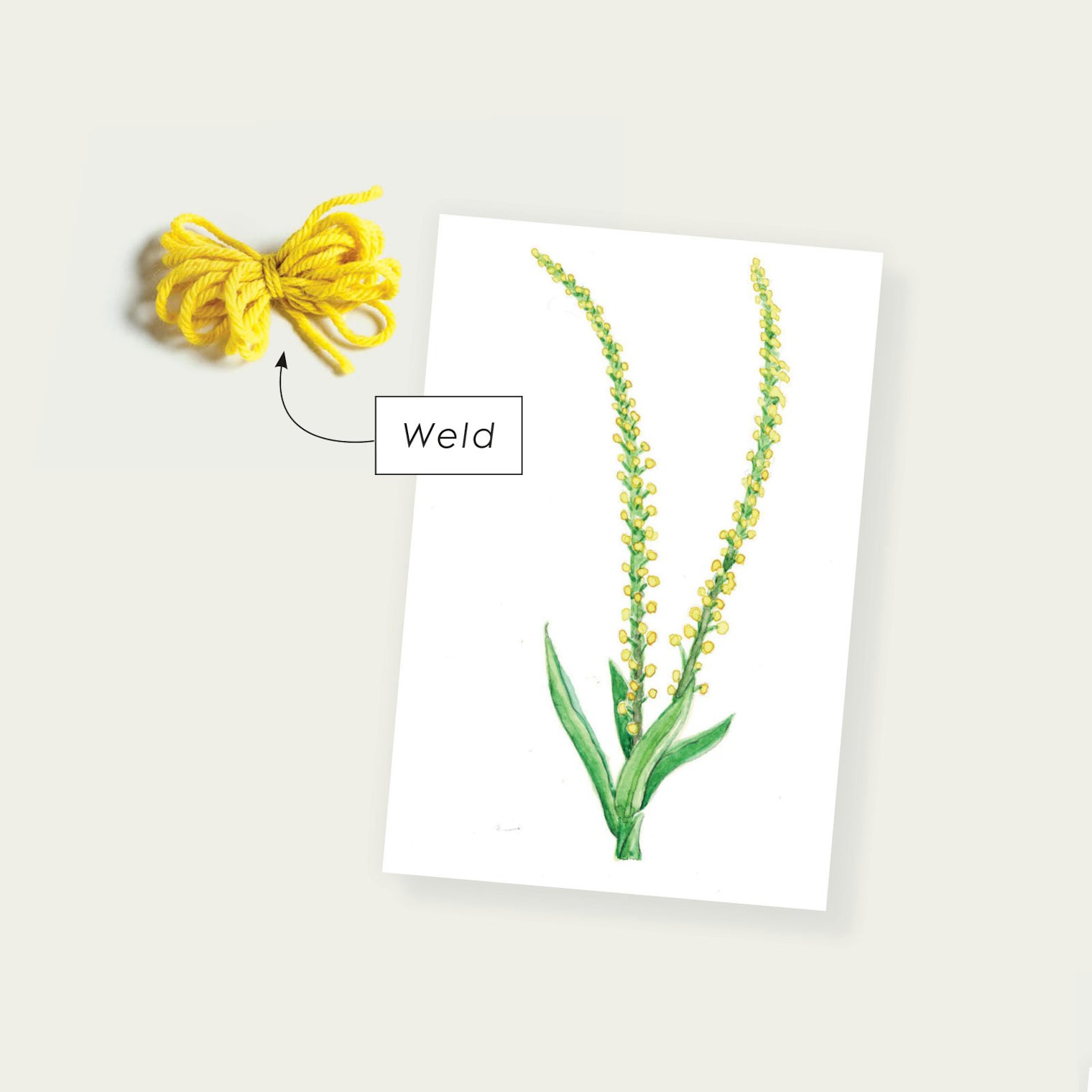
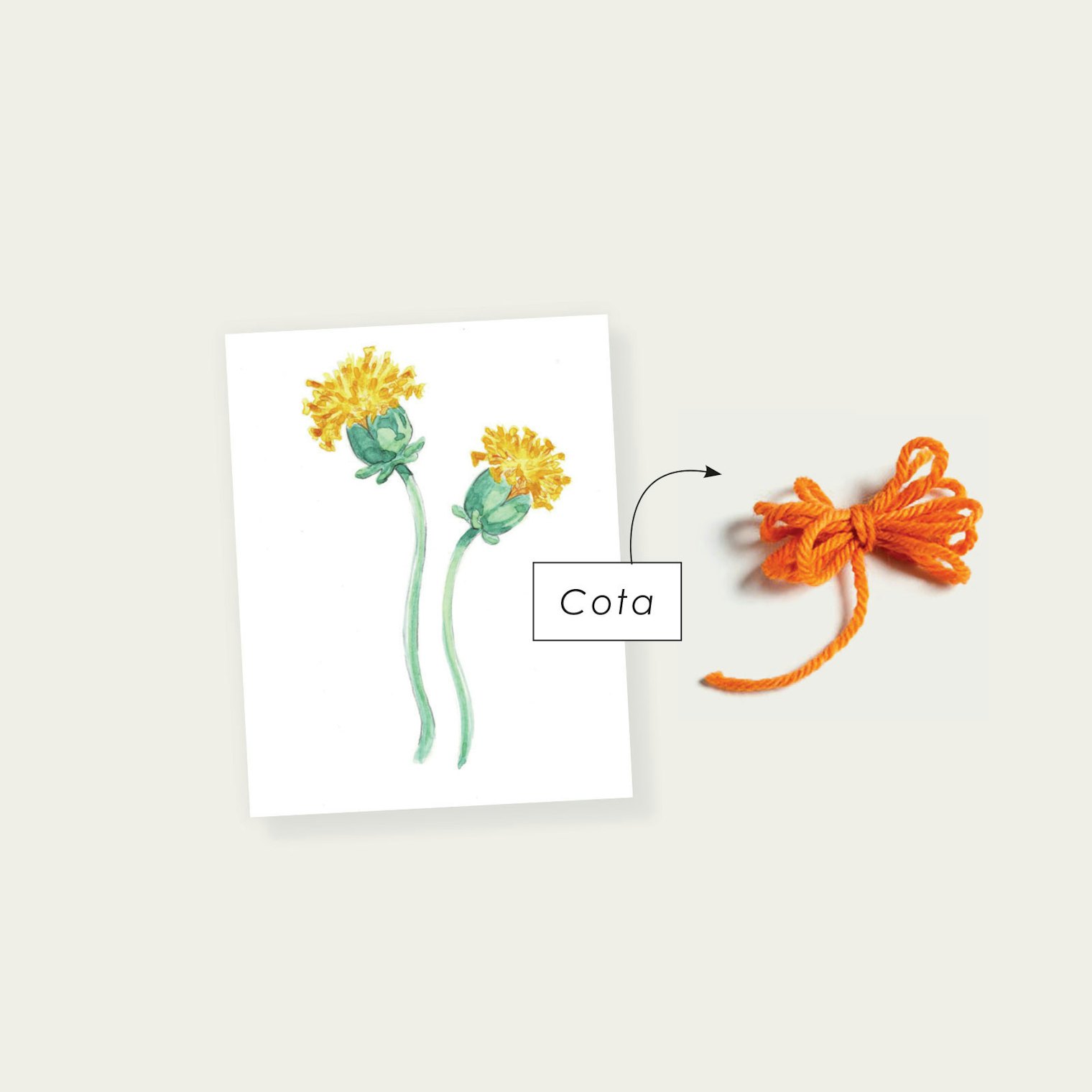
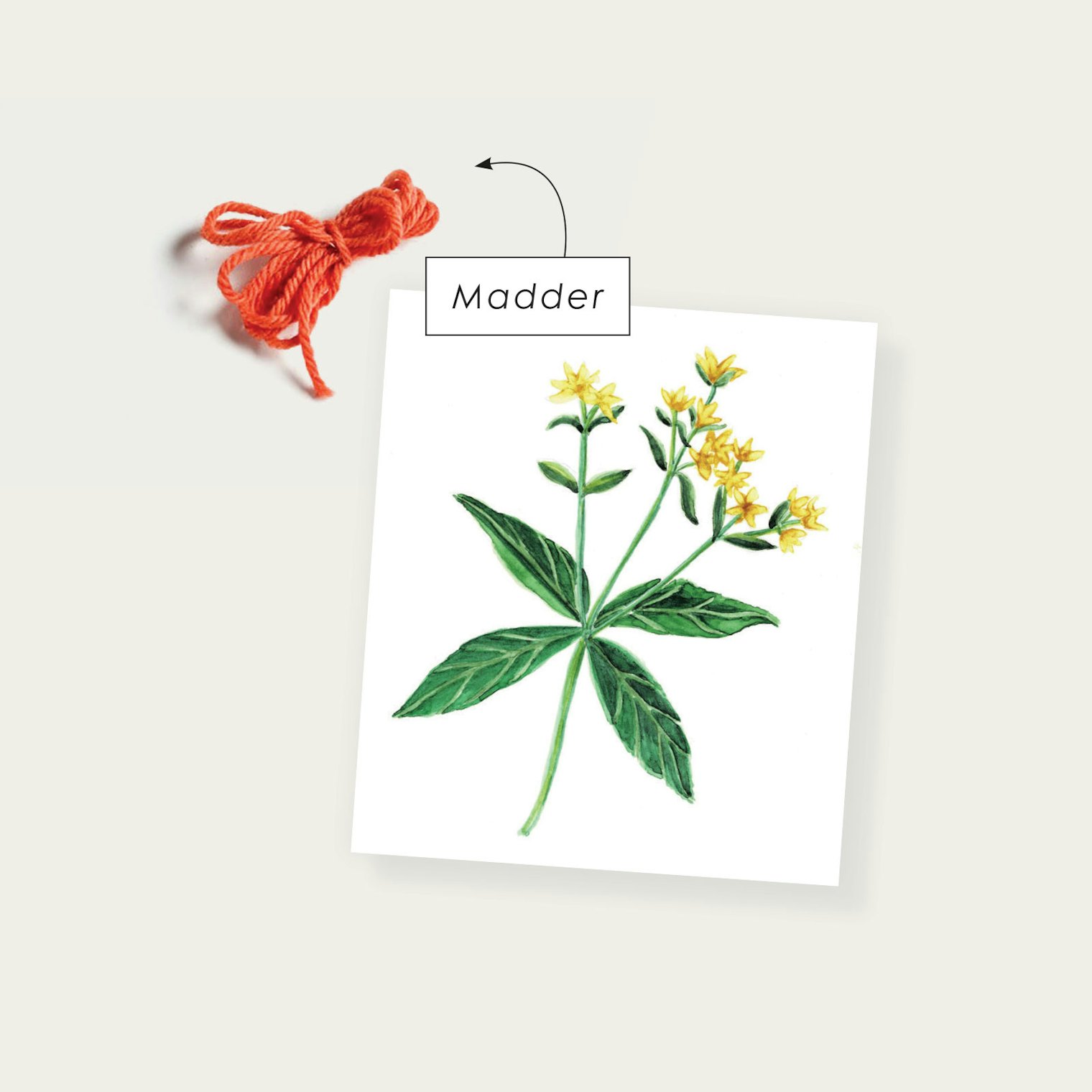
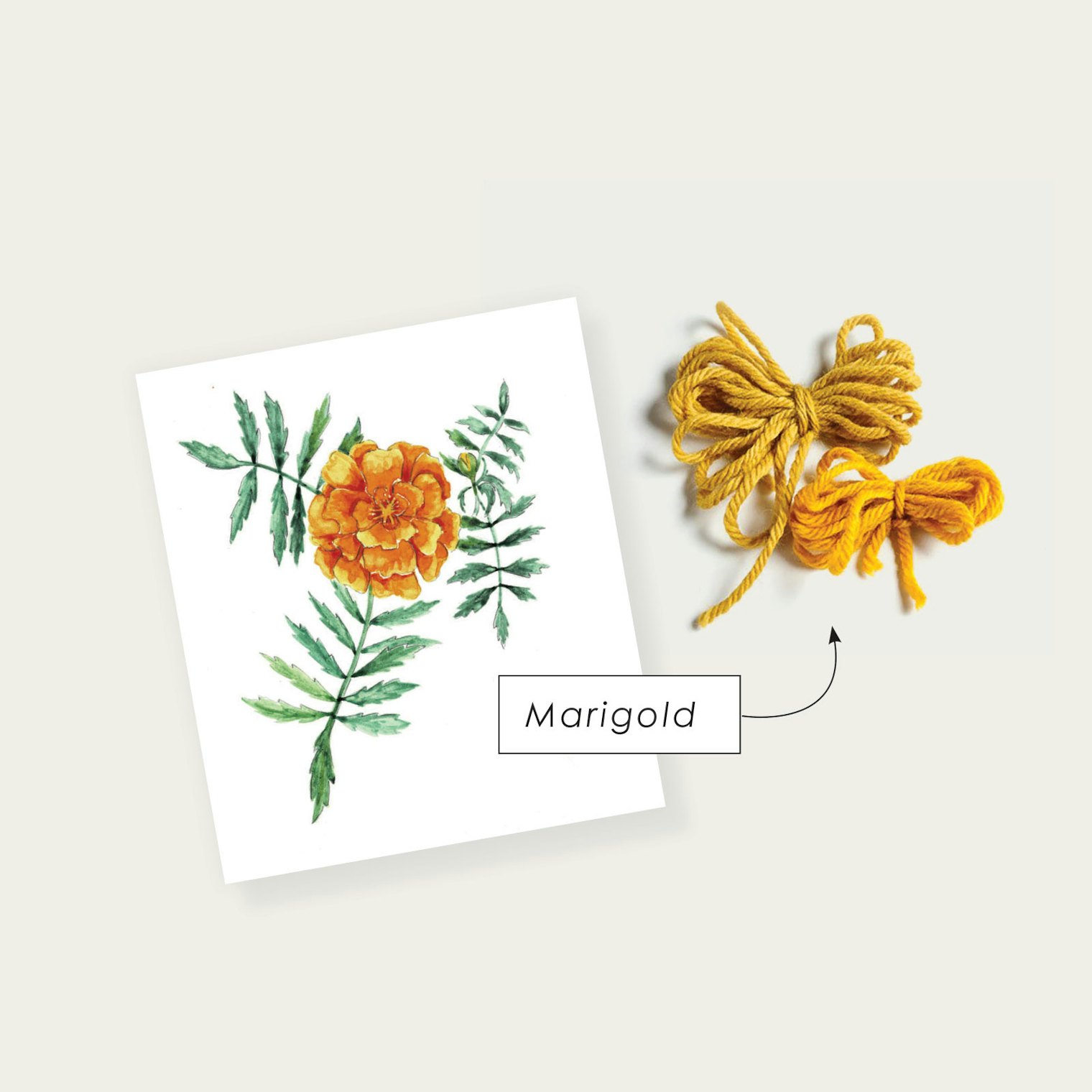
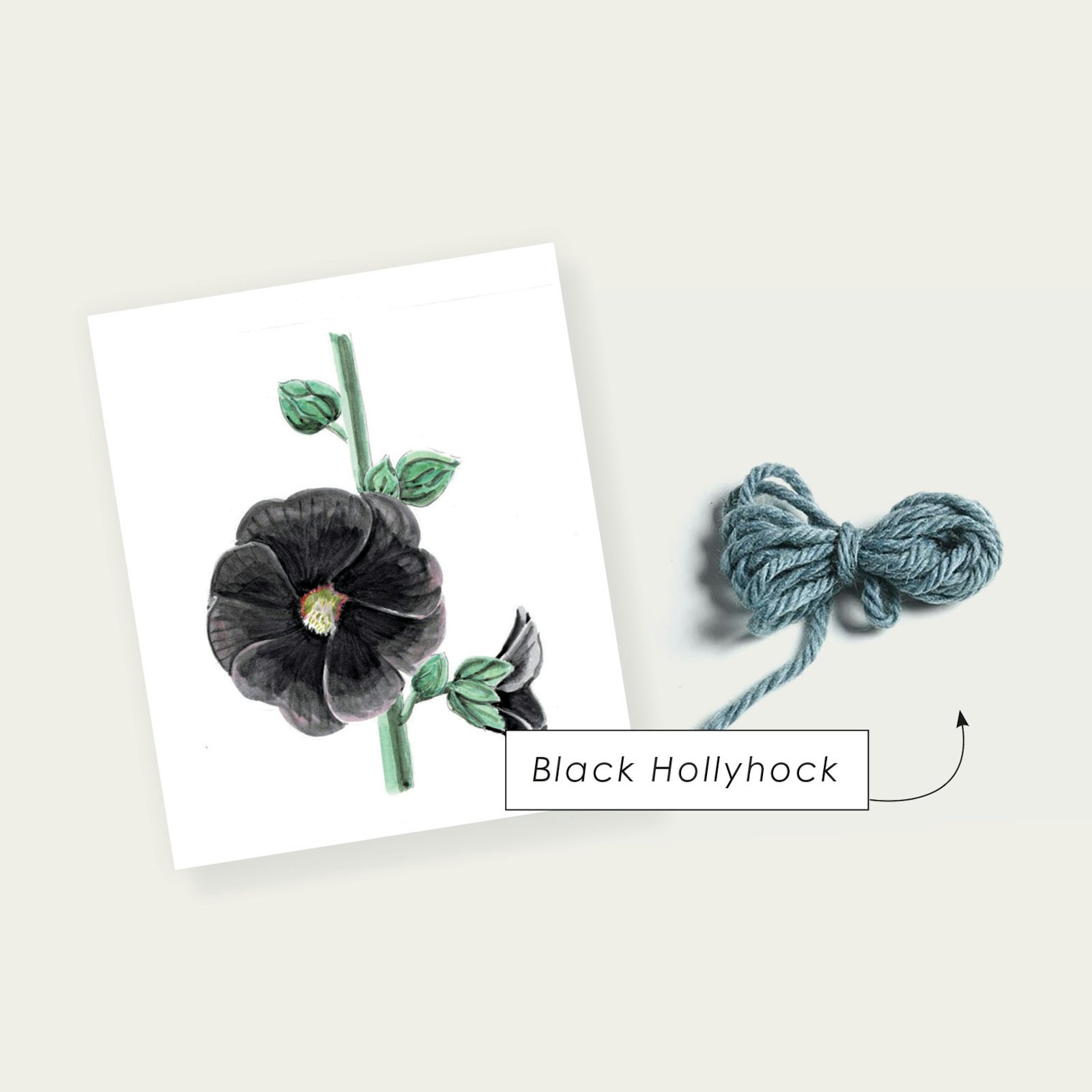
As I dug in more, I found natural dyeing to be more and more intriguing. It’s about bringing together chemistry + natural ingredients, just like in baking! Once you have the proper knowledge and understanding of precautions to take, natural dyeing is also safe to explore at home.
If you are interested in planting your own dye garden, you only need a little space, basic gardening skills, and a sense of adventure. For a guide to some common dye plants, growing zones, and the colors they produce, see this subscriber bonus download in the library.
May all your color dreams come true!
~Tiffany
More from Farm & Fiber Knits
 Foraging for Color: Take a Walk with a Montana DyerMadeline finds color in woodlands and kitchen cupboards—and you can, too.Madeline Keller-King · July 19, 2024
 Hot Stash Summer: Overdye with IndigoNatural indigo has never been easier—give it a try!Kate Larson · June 21, 2024
 It Started with Mavis: Small-Batch Targhee Yarn from MontanaFollow along as these squishy skeins travel from one Montana maker’s hands to another.Madeline Keller-King · December 25, 2023
 Meet Abundant Earth Fiber, A Small-Batch Wool MillBetween fiber artists craving an authentic grassroots connection and the small farms who produce heirloom-quality fiber, a small-batch mill provides the link that keeps local wool vital.Anne Merrow · June 13, 2023
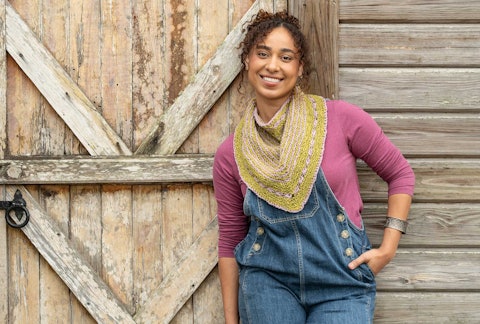 Behind the Design: How the Fae Garland Cowlette Came to LifeLooking for your next quick, wearable knit? Designer Safiyyah Talley has great tips to make this summer project your own.Farm & Fiber Knits Editors · July 13, 2026
 Knitting with Wild Silk: Cast On With MeTraveling from forests in Madagascar to dyepots in Rwanda to store shelves in Texas, handspun borocera silk yarn has an incredible story. How does it knit up? Kate Larson · July 9, 2026
 Project Knitwell: More Than a Knitting LessonSharing knitting one hospital waiting room at a time, this Project Knitwell volunteer offers more than a new skill, creating moments of connection, comfort, and so much more.Christine McGovern · July 6, 2026
 Rooted in Place: Designing the Field Lines Shawl with Small-Farm YarnDiscover the farm yarns and rural landscapes behind the Field Lines Shawl—then cast on your own version.Shaina Scott · July 1, 2026
 Tutorial: Easy Icelandic Bind-Off for a Stretchy EdgeWhen a standard bind-off edge just isn’t stretchy or substantial enough, try this must-know technique!Kate Larson · July 1, 2026
 Stripes! Antique Welsh Socks and the Perfect Jogless JogDid you know that Welsh handknitters were known for stripy socks? Check out some wild stripes from the 19th century, learn about a modern Welsh sock yarn, and try a few techniques for perfect jogless stripes. Kate Larson · June 26, 2026
From the Library



Comments
No comments yet — be the first to share your thoughts.
Sign in to join the conversation — commenting is for signed-in members.